
Panel Wipe for Flawless Resin Polishing Results
Saturday, 4 p.m., the garage is cooler than it’s been all day. You’ve completed the final compounding pass, refined with a finishing polish, and the panels look slick under diffuse light. The gloss reads high, the reflections are crisp, and for a moment you’re tempted to call it. But you know better. Finishing oils are doing what they’re designed to do—lubricate abrasives, enhance wipe-off, and temporarily mask micro-marring. If you skip a proper panel wipe at this point, you don’t really know what you’re sealing in. Whether you’re prepping a urethane clear coat, a cured epoxy countertop, or a cast acrylic lens, the truth of resin polishing only appears after the oils are gone.
You reach for your panel wipe and two fresh short-pile microfibers. One light mist, a controlled dwell, a deliberate first wipe to lift, and a clean second towel to dry. Under the inspection light, faint halos you couldn’t see through the oil film appear around the door handle. That’s the moment panel wipe matters: the point where chemistry reveals craft. What looked perfect with carrier oils still on the surface can show a different reality once they’re removed. Kill the oils, validate your abrasive work, and only then lock it down with a coating or sealant. That’s how consistent finishers avoid comebacks and warranty claims. It’s also how you build repeatable outcomes across different resins, climates, and abrasive systems.
If your goal is a coating-ready substrate, panel wipe is not an afterthought; it’s central to the workflow. Done right, it clears away lubricants, fillers, and silicone traces without swelling the resin or leaving residue that interferes with bonding. Done wrong, it can streak, dry out the surface, or even embrittle a delicate finish. This guide breaks down the science, the solvents, and the hands-on technique required to remove polishing oils safely and thoroughly.
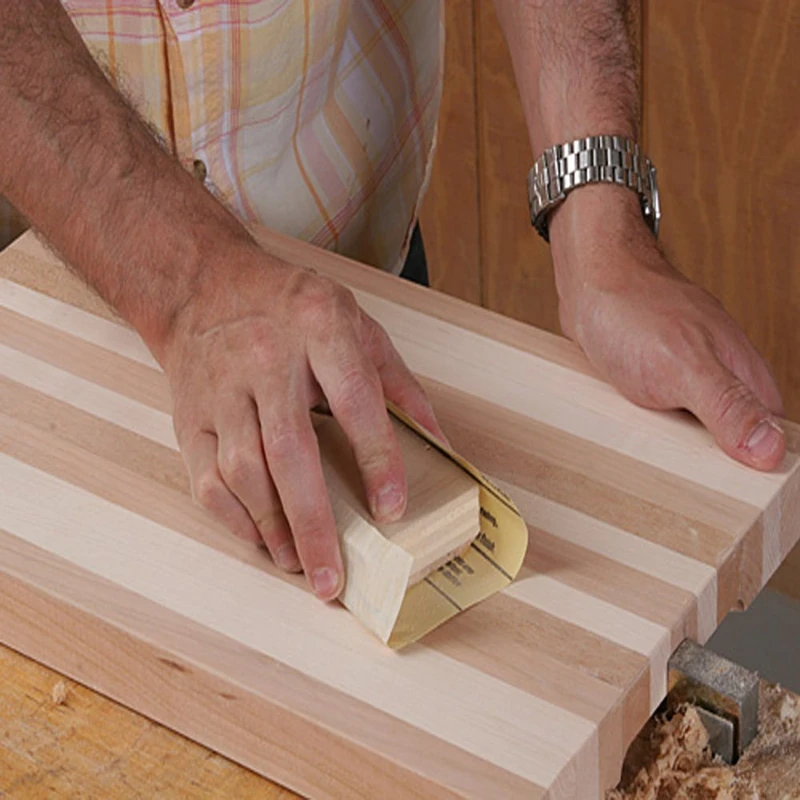
Quick Summary: A proper panel wipe removes polishing oils to reveal true defect state and deliver a clean, high-energy surface for coatings, minimizing callbacks and failures.
Why Oils Hide Defects
Polishing oils and carriers are engineered to improve abrasive glide, manage heat, and extend buffing cycles. They’re typically a blend of high-boiling paraffinic oils, light hydrocarbons, emulsifiers, and sometimes silicone derivatives in finishing products. These components modify the surface’s refractive behavior, temporarily filling fine valleys and creating a low-contrast, high-gloss appearance. That’s why a panel can appear hologram-free under shop lighting yet show halos or micro-marring after a thorough wipe.
The physics is straightforward. When an oil film occupies micro-scratches, it reduces the refractive index mismatch between air and the substrate, lessening light scatter. Remove that film and the scatter returns, exposing the true topography. On modern urethane clear coats (a resin system), this effect is pronounced because the clear is comparatively hard and defects remain sharp-edged; oils level the optical path without repairing the damage. On resinous substrates like cured epoxy and acrylic, carrier oils can also wet-out the surface differently, making haze harder to see until the oils flash or are wiped away.
There’s also the mechanical factor of pad loading. As pads saturate with compound and oil, their cut and finish change. A loaded finishing pad may burnish oil back into the surface, exaggerating the masking effect. The more oil on the panel, the more likely you are to chase a “perfect” finish that vanishes after wipe-down.
What does this mean for workflow? Always assume the polished finish is provisional until oils are removed and the surface is inspected under raking, high-CRI lighting. If you plan to apply a ceramic, graphene, or polymer sealant, your bond strength relies on a clean, high-surface-energy substrate. Polishing oils lower surface energy and impede wetting, which undermines coating adhesion. The only way to be certain is to wipe, inspect, and only then proceed.
Panel Wipe Chemistry for Resin Polishing
Dedicated panel wipes use solvent systems designed to dissolve modern polishing oils, fillers, and light silicones while leaving minimal residue. The core chemistry typically blends:
- Alcohols: Isopropyl alcohol (IPA), ethanol, or propanol for quick evaporation and water displacement.
- Hydrocarbons: Naphtha or dearomatized aliphatic solvents to solubilize high-boiling oils.
- Glycol ethers: Such as PnB or DPM for extending dwell and improving solvency for emulsified residues.
- Water and surfactants: To lift particulates and control static.
Why not just use straight IPA? It has limited solvency for the heavier hydrocarbon oils used in many modern polishes. On its own, IPA can streak as it partially dissolves and then redeposits oils, especially on cooler panels where evaporation outpaces solvation. Purpose-built wipes balance evaporation with solvency so oils are dissolved, lifted, and removed, not smeared.
Substrate compatibility matters in resin polishing contexts. Fully cured polyurethane clear coat is robust, but aggressive solvents or high-dwell applications can soften the top microns or leach plasticizers from adjacent trim. Epoxy resin tabletops can be susceptible to blushing and surface hazing if water-rich wipes are overused on cool, humid days. Acrylic (PMMA) can craze if exposed to strong hydrocarbons. Hence, pick a wipe that matches your substrate and climate:
- Urethane clear coats: Mixed alcohol/hydrocarbon wipes with low-aromatic content are ideal.
- Cured epoxy: Favor alcohol-forward blends with controlled water content; avoid hot hydrocarbons.
- Acrylic or polycarbonate lenses: Use plastic-safe, alcohol-dominant wipes and test in a discreet area.
Finally, consider electrostatics. Some wipes include anti-static agents to reduce dust attraction—valuable before coatings. The formulation’s balance should leave no reactive film; any residue defeats the point of increasing surface energy for subsequent bonding. Always verify that your chosen wipe is explicitly coating-safe.
Surface Preparation Workflow
A repeatable, coating-ready wipe process is as much about technique as chemistry. The goal is to dissolve and lift oils without pushing them around or trapping them under an evaporating film.
Step-by-step workflow:
- Area control and lighting
- Work a defined section (half a hood, a door) so the wipe stays within the solvent’s workable window.
- Use raking light at 45–70 degrees; high-CRI, flicker-free inspection lamps reveal haze and micromarring.
- Pad and residue management
- Before wiping, purge pads with compressed air or a pad brush to reduce sling-back of oils on adjacent sections.
- If you’re mid-stage (compound to polish), perform a quick wipe to clean test spots and set your next abrasive combination.
- Solvent application
- Spray a light, even mist on the panel, not the towel, to avoid loading the towel with undiluted solvent where it cannot act on the surface. On sensitive plastics, apply to the towel first.
- Allow a 5–15 second dwell depending on ambient temperature and solvent volatility; you need time for oils to solvate.
- Two-towel removal
- Towel A: Short-pile, edgeless microfiber (300–365 GSM). Fold to create 8 clean faces. Wipe in straight, overlapping passes with minimal pressure, flipping to a fresh face at the first hint of loading.
- Towel B: A second, clean towel to immediately dry and level the surface, preventing re-deposition as the carrier flashes.
- Inspection and validation
- Re-light from multiple angles. If faint trails remain, repeat with slightly longer dwell or a fresh towel pair.
- Where coatings will follow, perform a final panel-wide wipe right before application to neutralize body oils from handling.
According to a article, straight IPA can be suboptimal for removing modern polishing oils and may introduce streaking or static; a purpose-built panel wipe is typically more effective and predictable.
Environmental control is the hidden variable. In high heat and low humidity, fast-evaporating wipes can flash before they dissolve oils; choose a slower blend. In cool, humid conditions, excess water can hinder solvency and leave faint patches; pick a more alcohol-forward product and extend dwell marginally. Always test on a small zone and adjust.
Abrasive Performance and Wipe Timing
Panel wiping isn’t only for the final step; timing it through the abrasive sequence can improve decision-making and final clarity. Two fundamentals guide wipe timing:
- Non-diminishing abrasives (SMAT): Cut is consistent; wipe after each test set to evaluate whether you have truly removed defects or simply muted them with oils.
- Diminishing abrasives (DAT): Cut reduces as the polish breaks down; wiping earlier in the refinement process confirms whether the abrasives are fully cycling or if you’re stopping short and letting oils hide faint trails.
When stepping from P2000/P3000 sanding to compound, a quick wipe after your first compound set on a test area reveals whether sanding marks are actually out or just wet with carrier. That prevents over-polishing and keeps film build losses in check. Conversely, in a finishing step on soft clears, wiping can sometimes induce light micromarring if you’re too aggressive with towel pressure. Work clean, minimize pressure, and let the solvent do the heavy lifting.
Consider heat. Polishing elevates panel temperature, increasing solvent evaporation rate. A hot panel can “skin” the wipe—carriers flash before oils are dissolved—leading to hazing. A five-minute cool-down or a fan improves wipe effectiveness. Conversely, a cold panel slows evaporation, risking pooling and streaks; use less product and increase the dry pass with Towel B.
For resin polishing on epoxies and acrylics, wipe sequencing becomes critical. These substrates can be softer and more prone to towel-induced marring. Adopt a lighter, single-direction wipe, increasing dwell slightly to minimize mechanical action. If you plan to apply a urethane or ceramic topcoat over epoxy, remove oils immediately after finishing and allow a short rest period to let solvents evaporate fully before coating. This reduces the chance of solvent entrapment under the coating.
Finally, integrate control checks. After wiping a representative section, do a panel wipe squeak test: a clean nitrile-gloved finger should “squeak” lightly on a high-energy surface. Combine that with an isopropyl-sensitive marker swab on a hidden area to ensure trim and plastics won’t bleed when you proceed to the rest of the panel.
Common Failures and How to Avoid Them
Even experienced technicians can run into wipe-induced issues. Most failures trace back to chemistry mismatch, timing errors, or towel technique.
Typical problems and remedies:
- Streaking and patchiness: Often due to insufficient solvency or premature flash. Switch to a slower-evaporating wipe with balanced hydrocarbons and glycol ethers. Work smaller sections, extend dwell to 10–15 seconds, and follow immediately with a clean drying towel.
- Reappearing holograms after wipe: Oils masked rotary trails. Address the source—refine with a DA and a fine microfiber or foam finishing pad. Re-wipe and reinspect.
- Silicone smear: Some finishing polishes include trace silicones. Use a silicone-capable panel wipe (check product specs) and pre-clean with a mild surfactant wash if needed.
- Trim staining or dye lift: Aggressive solvents can leach dyes from porous plastics and rubbers. Mask sensitive areas, reduce dwell, and apply solvent to towel rather than the panel near trim.
- Towel marring: Overly grabby wipes on soft resin surfaces can cause micro-marring. Reduce mechanical pressure, use ultra-soft short-pile towels, and let chemistry do the work.
Four actionable tips for reliable outcomes:
- Use two-towel discipline: One to lift, one to dry. Replace at the first sign of loading—don’t chase clean with a dirty face.
- Tune solvent speed to climate: Hot/dry? Choose slower. Cool/humid? Choose alcohol-forward. Keep the panel near 20–25°C (68–77°F) for predictable flash.
- Reset pads often: Blow out or swap pads between sections; a loaded pad re-deposits oils, increasing wipe workload.
- Validate before protection: Always wipe and inspect a test section, then apply your coating there first. If leveling and bond look good after 10–15 minutes, proceed to the rest.
Safety and compliance matter. Panel wipes are VOC-containing and flammable. Work with ventilation, avoid ignition sources, and wear nitrile gloves and eye protection. Dispose of solvent-wet towels in a fire-safe container; spontaneous combustion is rare with light solvents but possible if towels are contaminated with oils and stored improperly. For enclosed cabin surfaces or sensitive plastics, switch to interior-safe wipes designed for low-odor, low-aggression cleaning and always test.
Selecting Products and Safety Notes
Not all “panel wipes” are equal. Beyond marketing, judge a wipe by its Safety Data Sheet (SDS) and your substrate requirements.
What to look for:
- Balanced solvent profile: The SDS should list alcohols plus a low-aromatic hydrocarbon or glycol ether. Pure IPA-only products are often less effective on modern oils.
- Residue-free claim with testing: Look for manufacturer guidance that the wipe is compatible with ceramic/graphene coatings. Absence of surfactants that leave films is critical.
- Anti-static additives: Helpful before coating to reduce dust attraction.
- Plastic safety: If you work on acrylics, polycarbonate, or fresh paint, ensure the wipe is rated safe or adjust technique (towel application, shorter dwell).
Product selection by task:
- Pre-coating prep on urethane clear: Medium-speed, balanced wipe; use two-towel process.
- Resin polishing on epoxies: Alcohol-forward, plastic-safe wipe, short dwell; ultra-soft towels.
- Between abrasive stages: Faster-evaporating wipe to maintain pace, but still balanced enough to pull oils, not smear.
Storage and handling:
- Keep containers sealed; solvent fractionation changes performance as light fractions evaporate.
- Use labeled, solvent-resistant sprayers to maintain a consistent pattern and volume.
- Rotate stock; old product can behave unpredictably.
If you’re unsure, run a simple bench test. Put a drop of your finishing polish in a glass dish, let it sit 10 minutes, then add a few sprays of your panel wipe. If it beads up or only partially dissolves the residue, that wipe may be too weak for your polish system. If it immediately flashes leaving an edge ring, it may be too fast—try a slower blend.
Three final best practices:
- Avoid mixing wipe chemistries on the same job; stick to one product to prevent interaction artifacts.
- Maintain a dedicated set of panel-wipe microfibers washed without fabric softeners; residue from laundry products can re-film the panel.
- After the final wipe, minimize handling. Skin oils are potent contaminants—use gloves and hold edges only.
Frequently Asked Questions (FAQ)
Q: Do I need a panel wipe if I’m only applying a wax or sealant?
A: It’s beneficial but not mandatory. Waxes and many sealants are less sensitive to trace oils than ceramic coatings. However, removing polishing oils improves bonding and durability for any protection layer, and it reveals the true finish so you can correct remaining defects before sealing.
Q: Is straight IPA safe and effective as a panel wipe?
A: It’s generally safe on fully cured automotive clears but not the most effective solvent for modern polishing oils. IPA can streak and may not fully dissolve high-boiling carriers. A dedicated panel wipe with mixed solvents typically removes residue more completely and consistently.
Q: Can panel wipes damage plastic trim or fresh paint?
A: Yes, aggressive solvents and long dwell times can leach dyes or soften sensitive substrates. Mask trim, reduce dwell, and apply solvent to the towel when working near plastics. Avoid panel wipe on fresh paint until the manufacturer’s cure window has elapsed.
Q: How soon after a panel wipe can I apply a ceramic coating?
A: Once the solvent has fully flashed—usually within minutes on a room-temperature panel. Ensure the surface is dry, squeaky-clean, and dust-free. If you touch the panel after wiping, perform a quick final wipe to remove any skin oils before coating.
Q: Why do defects reappear after my panel wipe even though the panel looked perfect before?
A: Polishing oils temporarily mask micro-marring and holograms by altering light scatter. The wipe removes those oils, revealing the true surface. Address the underlying issue by refining your abrasive step, pad, and technique, then re-wipe and inspect before protection.