
Identify Finishes Before Wood Finish Removal
On a quiet Saturday morning, you slide open the drawer of a hand-me-down desk and find a stack of letters from another era. The wood is warm under your fingertips, but the surface looks tired—clouded in spots, sticky near the handles, and crazed with tiny cracks that catch the light. You picture the desk with a fresh, clean surface, the grain revived and glowing. You search for wood finish removal products and feel a rush of motivation. But then a pause: do you know what finish you’re actually removing?
That question is more than a detail. If the desk has shellac, you can dissolve and refresh it in one afternoon. If it’s lacquer, you might re-melt it into a uniform film without fully stripping. If it’s an oil finish, removal often isn’t the point—revival might be. And if it’s polyurethane or varnish, you’ll want a different plan entirely. The wrong choice can gum up sanding discs, smear softened finish into pores, or scar veneer with too much heat. It’s the difference between an effortless transformation and a frustrating do-over.
I’ve seen talented home refinishers lose a day to clogged sandpaper, only to learn later that a simple swab test would have told them everything they needed to know. Before you touch a heat gun or open a can of stripper, a few minutes spent identifying what’s on the wood will save time, protect detail work, and keep the wood itself out of harm’s way. Think of it as reading the material before writing your approach. The piece will tell you what it needs—you just need the right tests and a clear method. In this guide, we’ll walk through those tests, match finishes to safe removal paths, and show you how to prep and work clean so the final result looks as good as you imagined.
Quick Summary: Test the finish first (alcohol for shellac, lacquer thinner for lacquer); match removal to the finish type; work safely to preserve wood and detail.
Why Identification Comes First
Finish type dictates everything: the solvent that dissolves it, whether it can be reamalgamated (melted back to a uniform film), and the safest wood finish removal approach. While different clear coatings can look nearly identical at a glance, they behave differently under alcohol, lacquer thinner, and abrasion. That behavior, not appearance, should guide your plan.
- Shellac is alcohol-soluble. A drop of denatured alcohol softens it quickly and it will feel tacky or smear with light rubbing.
- Lacquer re-dissolves in lacquer thinner (or acetone). It softens relatively fast, often within 30–60 seconds of exposure.
- Drying oils (tung, polymerized linseed) do not resolubilize; they’re penetrative and thin, and usually respond to cleaning and fresh oil more than stripping.
- Polyurethane and varnish resist both alcohol and lacquer thinner. They usually require chemical strippers, careful sanding, or heat for removal.
Identification matters before you even think about sanding. If wax is present, sanding only grinds it into the pores and makes future finishes struggle to bond. If the piece is veneered, aggressive sanding risks a costly sand-through. On certain antique pieces, you may not want to remove the original finish at all; sometimes, gentle cleaning and a compatible topcoat preserve value better than starting over.
Think of identification as a decision tree. Positive for alcohol? You can dissolve shellac, reflow it, or strip it clean and recoat in the same afternoon. Positive for lacquer thinner? You could re-melt and level lacquer or strip it quickly with thinner and a scraper. No reaction? Now you’re likely dealing with polyurethane or varnish—plan on a different remover and more patient timing.
The benefit of this short upfront step is huge: less damage risk, fewer wasted materials, and a much higher chance of a glass-smooth, even finish on your final pass.
Simple Tests for Lacquer, Shellac, Oil
Start with the gentlest, cleanest checks. Choose an inconspicuous spot—back edge, underside of a drawer front, or inside a leg. Have lint-free cloths, cotton swabs, denatured alcohol, lacquer thinner (or acetone), and odorless mineral spirits on hand. Wear nitrile gloves, ventilate the area, and keep away from open flames.
Step-by-step tests:
- Check for wax and grime: Dampen a cloth with mineral spirits and rub a small area. If the cloth picks up gray-brown residue and the surface becomes less smeary, you likely had wax/soil. Allow the spot to dry. Don’t sand until you’ve removed wax—sanding wax drives it into pores and complicates adhesion.
- Shellac test with alcohol: Touch a cotton swab moistened (not dripping) with denatured alcohol to the surface for 10–20 seconds. Gently rub. If it gets sticky or smears onto the swab, shellac is likely present.
- Lacquer test with lacquer thinner: If alcohol didn’t soften the finish, try a fresh swab with lacquer thinner or acetone. Wait 20–30 seconds. Softening, tackiness, or smearing points to lacquer.
- No reaction? Poly or varnish: If neither solvent affects the film, you’re likely dealing with polyurethane or an alkyd/phenolic varnish.
- Oil finish indicators: Oil-only finishes often look thin, “in the wood,” and may have a low sheen. Solvents won’t make them gummy. A light wipe with mineral spirits cleans them; new oil soaks in readily.
What to observe:
- Shellac often becomes tacky faster than lacquer and may leave a cloudy smear on the swab.
- Lacquer softens and partially melts; the swab may feel slick as the finish reflows.
- Poly/varnish resists both, staying hard and unaffected.
- Oil finishes remain essentially unchanged aside from surface cleaning.
Extra clues:
- Age matters: Pre-1950s furniture often has shellac; mid-century pieces often use lacquer; many late 20th-century mass-market items feature poly.
- Smell is a hint: Lacquer thinner has a sharp, solvent smell; alcohol is milder.
- Touch: Lacquer and shellac are film-forming; oils look and feel more natural, often showing open grain without a glassy layer.
Actionable testing tips:
- Use fresh solvent; old containers yield unreliable results.
- Time your swab contact; 10–30 seconds is usually enough.
- Test in at least two spots; contamination or prior touch-ups can mislead you.
- If you suspect a mix (e.g., shellac sealer under poly), start with removal methods suited to the topmost layer, not the base.
Choosing Wood Finish Removal Methods
Once you identify the finish, select the approach that works with it—not against it. The goal is control: lift the coating without driving softened finish into pores, bruising veneer, or raising grain unnecessarily.
Shellac:
- Remove: Denatured alcohol dissolves shellac fast. Brush on alcohol, allow it to soften the film, then lift with a plastic scraper or thick, lint-free pads. Work in small sections.
- Revive instead: For intact but dull shellac, reamalgamate by padding with alcohol to level brush marks or scratches, then add fresh shellac. It’s fast and low risk.
Lacquer:
- Remove: Lacquer thinner dissolves lacquer. Apply with a brush or pad, wait briefly, then scrape or wipe off. Use multiple passes rather than flooding; manage fumes carefully.
- Revive instead: If the film is checked but intact, a controlled reflow with lacquer thinner (or a commercial reamalgamator) can level it. This preserves patina and detail.
Oil finishes:
- Remove: Typically unnecessary. Clean with mineral spirits and 0000 steel wool, then apply fresh oil. If a film was built on top (like a wax or shellac layer), remove that layer with the appropriate solvent first.
Polyurethane/varnish:
- Remove: Use a chemical stripper or a heat gun with a light touch. Safer strippers (benzyl alcohol/ester blends) are slower but gentler; methylene chloride works very fast but has significant health risks and may be restricted in your area. Heat softens the film for scraping, but keep the gun moving and avoid veneers and joints.
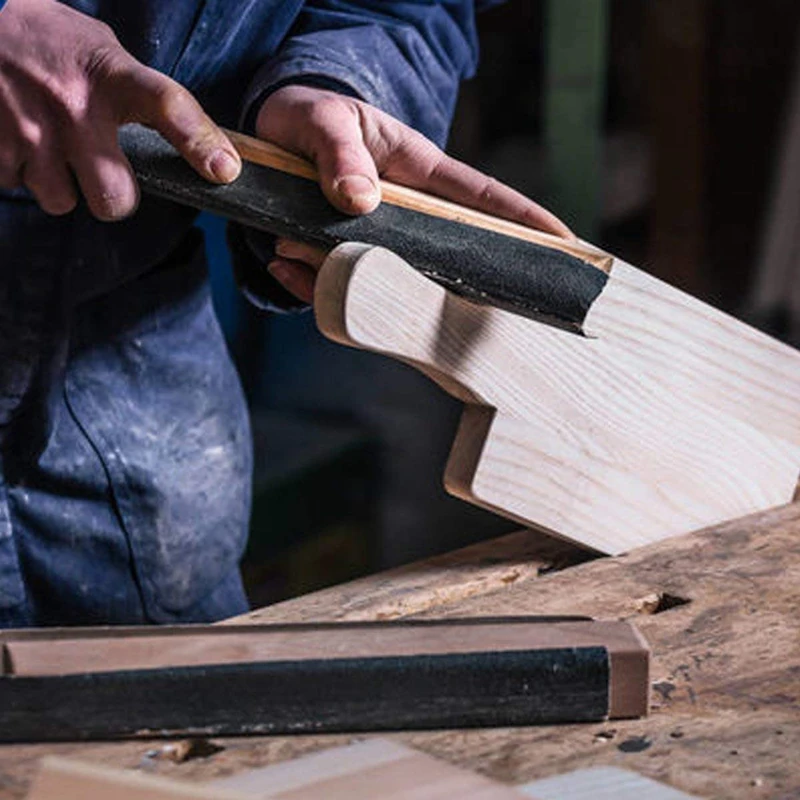
- Sand only when appropriate: Use sanding to refine the last traces, not as the primary removal on thick films or waxed surfaces.
According to a article, quick solvent testing helps distinguish these finishes before you commit to any method. Matching the method to the coating reduces risk and cleanup dramatically.
Practical removal tips:
- Always scrape with the grain using a sharp plastic or card scraper to avoid gouges.
- Keep plenty of clean rags; change them often so you’re lifting, not smearing, dissolved finish.
- For carvings and corners, use brass brushes or dental picks; avoid steel that can discolor tannic woods.
- Neutralize water-rinsable strippers per instructions; let the wood dry thoroughly before sanding or refinishing.
Safety and Prep That Save Time
Thoughtful prep and safe habits make the entire process smooth and predictable. Solvents, strippers, and heat can be used with confidence when you control the environment and sequence.
Set up your space:
- Ventilation is non-negotiable. Work near a window with a fan exhausting to the outside. Avoid basements without airflow.
- No sparks or flames. Many solvents are highly flammable; unplug space heaters and pilot lights nearby.
- Protect surfaces. Use a solvent-resistant drop cloth and have a metal container with a tight lid for oily or solvent-wet rags to prevent spontaneous combustion.
Prepare the piece:
- De-wax first. If you suspect wax, wipe with mineral spirits and clean rags before any sanding. Let the wood dry completely.
- Mask and label. Tape off inlays, label drawers and hardware positions, and bag fasteners to keep reassembly simple.
- Test patches. Before committing, do a small test area with your chosen method to confirm behavior and timing.
Personal protection:
- Wear nitrile gloves and splash-resistant goggles. If using strong strippers or working in marginal ventilation, a respirator with organic vapor cartridges is wise.
- Heat guns demand caution. Keep the nozzle moving, never point at one spot, and avoid joints or veneers where heat can cause delamination.
Waste and cleanup:
- Stripper residue can interfere with finishes. Follow the manufacturer’s neutralization step, whether that’s a water rinse, alcohol wipe, or specialized cleaner.
- Let the wood rest. After a wet removal, allow 24–48 hours of dry time before sanding or testing with naphtha for lurking residue.
Five time-saving safety tips:
- Work small zones—about 1–2 square feet—to stay ahead of softening film.
- Pre-score heavy drips and runs with a sharp knife to speed removal.
- Keep a dedicated “dirty” scraper and a sharp “finish” scraper to avoid dragging grit across the surface.
- Use a bright raking light to spot leftover finish in pores.
- For veneer, switch to a card scraper and safer chemical strippers instead of heat or coarse sanding.
Wood Finish Identification — Video Guide
If you’re a visual learner, a helpful video walkthrough shows how to recognize oil, shellac, lacquer, and polyurethane—and what to use when touching up or removing them. It emphasizes that many finishes don’t play well together, so compatibility is key before you patch or recoat.
Video source: Wood Finish Identification & Finish Repair (oil, shellac, lacquer, and poly/varnish) | How To
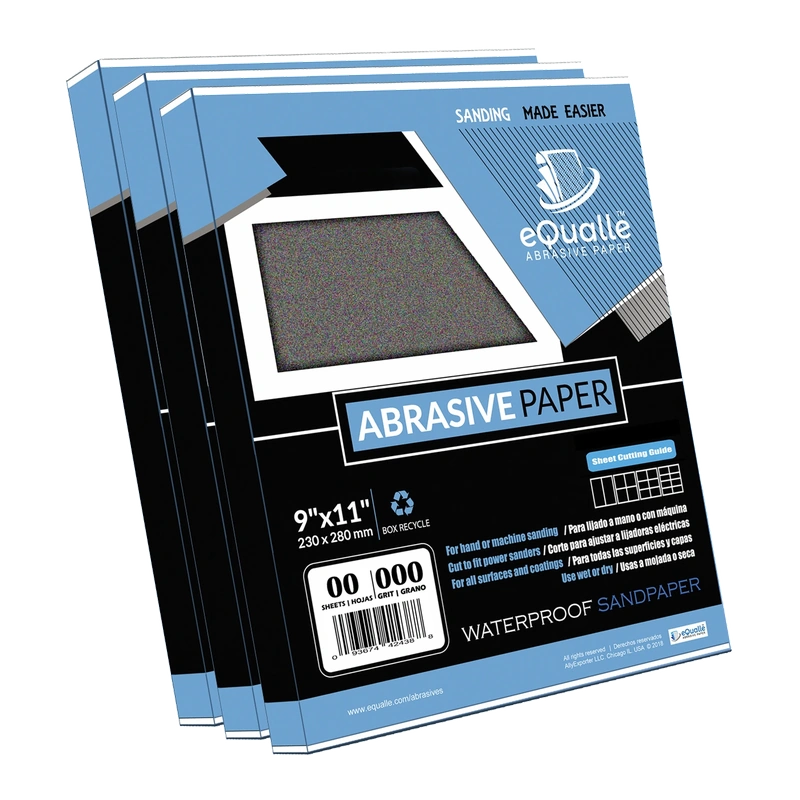
2000 Grit Sandpaper Sheets (10-pack) — 9x11 in Silicon Carbide Abrasive for Wet or Dry Use — Precision polishing grit designed to remove haze and restore clarity to clear coats and high-gloss automotive paint. (Professional Grade).
Frequently Asked Questions (FAQ)
Q: What’s the fastest way to tell shellac from lacquer?
A: Touch a small area with a denatured alcohol swab for 10–20 seconds. If it softens or smears, it’s likely shellac. If not, try lacquer thinner; softening there points to lacquer.
Q: My swab tests did nothing. What finish is it?
A: If alcohol and lacquer thinner don’t affect the surface, you’re probably dealing with polyurethane or an alkyd/phenolic varnish. Plan on a chemical stripper, heat, or careful sanding.
Q: Can I safely strip veneer?
A: Yes, but avoid aggressive sanding and high heat. Use a gentler chemical stripper, scrape with a plastic or card scraper, and work in small sections to prevent moisture or heat from lifting the veneer.
Q: Do I always need to remove an oil finish?
A: Usually not. Clean with mineral spirits and 0000 steel wool, let dry, then apply fresh oil. Only strip if a film finish was added on top or if contamination prevents adhesion.
Q: How do I neutralize after using a stripper?
A: Follow the product label. Water-rinsable strippers often need a water or mild detergent rinse; solvent strippers may call for alcohol or naphtha. Let the wood dry 24–48 hours before refinishing.