
Wall Finishing Engineering for Paint-Ready Smoothness
It starts with a small annoyance that becomes impossible to unsee. Morning light slides across the living room, and suddenly the wall looks like a topographic map—shadows tracing joint lines, tiny ridges where rolled paint built up, shallow divots from a rushed patch job. You tilt your head, step closer, and feel the texture with your knuckles; the bumps catch. If you’ve been there, you also know the next moment: pulling tape off a fresh color sample and realizing the new paint only makes the unevenness louder. That’s the moment when wall finishing stops being cosmetic and becomes engineering. Smooth, paint-ready walls aren’t an accident. They’re the outcome of controlled materials, measured steps, and a willingness to test rather than guess.
As a product engineer, I approach surfaces like a system: substrate, filler, abrasive, primer, topcoat. Each layer has a job, each interface has a failure mode, and the final appearance is decided less by luck and more by process capability. In this guide, I’ll break down how to achieve paint ready wall smoothness in a repeatable way. We’ll focus on the material science behind joint compounds and abrasives, how to measure “flat enough,” and which tools matter versus which are optional. Whether you’re removing texture, correcting taped drywall, or prepping plaster for a modern matte finish, the goal is the same: eliminate telegraphing defects before paint locks them in.
I’ll also share practical testing methods you can do at home—glancing-light inspections, progression grits that actually close the scratch pattern, and when to choose mesh over paper. None of this requires exotic gear, but it does require discipline: clean edges, controlled drying times, dust extraction, and primer selection matched to your substrate. If you want walls that look machine-flat under harsh sunlight, it’s all about sequence and verification.
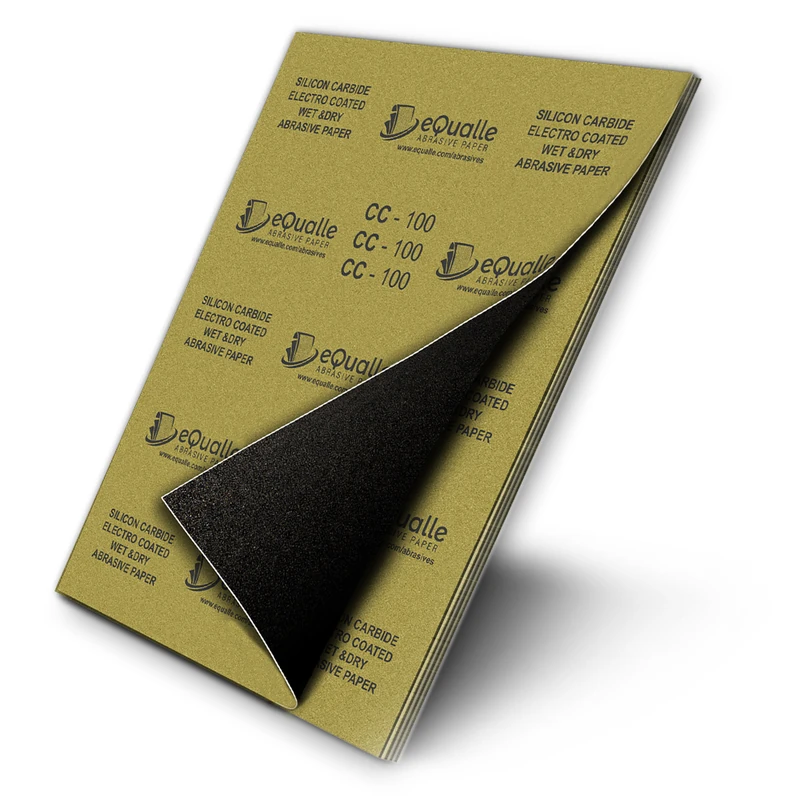
Quick Summary: Smooth, paint-ready walls come from a controlled cycle—targeted filling, correct abrasive progression with dust extraction, quality primer, and verification under glancing light.
Define Paint-Ready: What ‘Smooth’ Really Means
“Smooth” isn’t subjective when you put it under a test. Paint-ready smoothness means the wall passes three checks before primer and again before color: visual, tactile, and optical. The visual test is glancing light—use a bright work light or the sun, held low to rake across the surface. Any ridge or shallow valley will throw a shadow. Tactile means running your fingertips or a flexible putty knife edge across seams; you should not feel transitions. Optical smoothness shows up after primer—if a joint line telegraphs through in certain angles, the problem is profile mismatch or insufficient coverage.
Here’s a practical tolerance to aim for: no visible step across taped joints greater than about 0.25 mm over 300 mm when checked with a 12-inch knife or straightedge. You don’t need micrometers, but you do need a reference edge. Joint compound isn’t structural, so we feather edges instead of building thickness. The idea is to make a wide, shallow ramp rather than a steep ridge.
Also consider how paint magnifies defects. High LRV (light reflectance value) colors and low-sheen matte paints highlight surface texture less than glossy or satin finishes under direct light. However, matte won’t hide poor prep; it diffuses, not erases. If you’re planning a satin or semi-gloss, you need a tighter scratch pattern (finish sanding at 220–320 grit) and uncompromised feathering at joints.
Set your acceptance criteria early:
- After fill and first sand: no visible tape edges under raking light.
- After second pass: uniform scratch pattern, no pigtails or cross-hatching.
- After primer: no telegraphing of seams; if visible, back up a step—skim, sand, and spot-prime again.
Finally, remember that the substrate matters. Old plaster can be glass-smooth but brittle; new drywall is softer and easier to abrade. Your technique shifts slightly with each, but the inspection criteria remain identical.
Abrasive science for wall finishing performance
Abrasives are not all the same, and on walls, the mineral and backing matter as much as grit number. If you understand how each mineral cuts, you can predict how it will shape joint compound, skim coat, and primer without clogging or leaving deep scratches.
- Aluminum oxide: The workhorse for drywall sanding. It fractures modestly, stays sharp enough, and pairs well with paper or mesh backings. Good balance of cut and life.
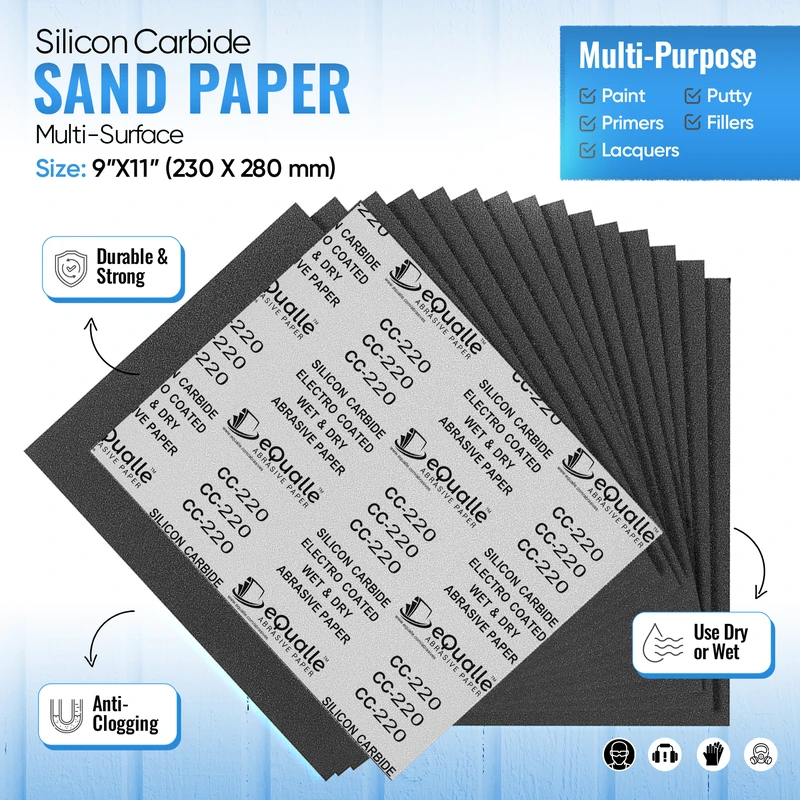
- Silicon carbide: Sharper and more brittle. It cuts aggressively at lower pressure and leaves a finer finish for the same grit rating. Useful for between-coat scuffing and primer-leveling passes.
- Ceramic alumina: Tough, micro-fracturing grain that self-sharpens. Overkill for soft drywall mud in coarse grits, but highly efficient for texture removal or painted surfaces where you need durability and consistent cut.
- Garnet: Natural mineral, cuts smoothly but dulls fast. More common in wood; not my first choice for modern drywall systems due to shorter life and higher loading.
On backing: closed-coat paper loads quickly in joint compound. Open-coat and stearate-treated papers resist clogging. Mesh screens (with vacuum extraction) dramatically reduce dust and retain cutting efficiency by clearing swarf. For hand blocks or pole sanders, mesh at 120–180 grit is efficient for flattening, and 220 grit is a smart final pass before primer.
The scratch pattern is your quality indicator. If you jump from 100 to 220, the 100-grit scratches can telegraph through primer. Step through a logical sequence: 100/120 for initial knock-down, 150/180 to refine, and 220–320 for final finish or primer leveling. Use a pencil to lightly cross-hatch the area; sand until marks disappear uniformly—this is a simple, reliable removal gauge.
In my tests with mesh discs on a 5-inch random-orbit sander (8,000–12,000 OPM) paired with a HEPA extractor, silicon carbide at 150 grit left a more uniform matte and less localized burnishing than aluminum oxide—useful when feathering transitions near edges. However, for broad-area compounding, 120-grit aluminum oxide mesh offered better control with less accidental gouging. If you feel the disc skating, drop pressure, reduce OPM, or move to a slightly coarser grit; skating means the abrasive is loading or the compound surface is too glossy or undercured.
Dust isn’t just a mess—it’s an abrasive contaminant that can scratch as you sand. A tight dust collection setup (sealed hose, antistatic if possible, extractor in the 130–150 CFM class) increases cut rate and leaves a more consistent surface. If extraction is impossible, wet sanding of select spots can suppress dust, but it softens the surface and can smear material; expect to sand lightly again after drying to restore tooth.
Compounds, Primers, and Curing Windows
Joint compound chemistry is straightforward but decisive. Premixed “all-purpose” compounds rely on drying via water evaporation; they’re easy to sand but slow in humid rooms. Lightweight compounds use micro-spheres to sand easily and reduce shrinkage but can feel a bit chalkier. Setting-type compounds (often labeled 20/45/90 for set times) are gypsum-based and cure via a chemical reaction; they harden faster and sand harder. Choose setting-type for deep fills or patching over texture; use premixed or lightweight for broad skim coats where easier sanding and longer open time are beneficial.
A common failure mode is sanding too early. Under-cured compound gums up abrasives, creates ripples, and leads to inconsistent sheen after paint. Give drying compounds at least 24 hours in normal conditions, more if humidity is high or layers are thick. For setting-type, even though the set can occur in 45–90 minutes, I still wait several hours before sanding to let residual moisture escape.
Primers are not optional; they’re part of the leveling system. PVA drywall primers seal porosity and unify suction so the topcoat lays evenly. High-build primers (or surfacers) fill micro-scratches and soft tool marks; they’re beneficial if you’re moving toward a satin finish or if you had to be aggressive with sanding. Bonding primers are useful over glossy or previously painted surfaces where adhesion is suspect.
Here’s a practical sequence:
- Scuff existing paint with 150–180 grit to promote adhesion.
- Fill defects with setting-type compound if they’re more than 2 mm deep.
- Skim coat with lightweight compound using a 10–14 inch knife or skimming blade.
- Sand: 120 to flatten; 180 to refine; stop at 220.
- PVA prime; inspect under glancing light; spot-fill/sand as needed.
- Optional: high-build primer if chasing near-perfect reflectivity.
- Topcoat.
According to a article, a careful skim, sand, and prime progression is the backbone for achieving that visually “flat” surface. The middle steps are where most results are won or lost—rushing primer or skipping a grit progression usually shows up as lines and halos after paint.
Mind moisture. A simple pinless moisture meter can quickly flag damp areas around windows or exterior walls that extend drying times. Also, temperature matters: compounds spread and feather better slightly warm; cold rooms increase viscosity and drag, making edges harder to blend. If you must work cold, thin your premixed compound modestly with water (a tablespoon at a time), mix thoroughly, and test on a small area for slumping before committing to a broad skim.
Sanding Systems and Dust Control Testing
You can achieve smooth walls with a hand pole sander and discipline, but powered systems raise the ceiling on consistency. The core variables are tool motion, grit, pad interface, and dust removal.
- Tool motion: Random-orbit sanders (ROS) in the 8,000–12,000 OPM range provide fast material removal with less directional scratching than straight-line sanders. Drywall-specific long-reach sanders (“planetary head” or geared heads) are excellent for ceilings and tall walls, but they can remove material quickly—keep them moving and use lighter grits to avoid over-cutting.
- Grit strategy: Start only as coarse as necessary to level. If your skim is sound, 120 is often the first pass. If you have high ridges or texture remnants, 100 may be justified. Don’t skip more than one grit step, and always end at 180–220 before primer.
- Pad interface: Use a soft interface pad between the backing plate and the disc when finishing; it helps conform across feathered joints without cutting through the center. For aggressive flattening, remove the interface pad for more direct force.
From a dust standpoint, a sealed HEPA extractor is more than comfort; it improves cut quality by keeping abrasive faces clear. Test your setup by sanding a 2’×2’ area with and without extraction: you should see less loading and a more uniform scratch pattern with extraction. Check your hose for air leaks; a simple pinch test along the length will reveal weak spots. Anti-static hoses reduce cling and improve maneuverability.
Five actionable tips to lock in paint-ready smoothness:
- Pre-mark problem zones: Lightly pencil-circle all visible defects under raking light. Sand and skim only where it’s needed; this prevents unnecessary thinning of the field.
- Control compound thickness: Use a 10–14 inch skimming blade and keep each pass under ~1 mm. Two thin coats sand cleaner than one thick coat.
- Clean between grits: Vacuum and wipe with a barely damp microfiber towel before moving up; leftover coarse dust can drag scratches into the next pass.
- Prime early, inspect, and rework: Treat primer as a revealing coat, not a finish line. Spot-skim and sand after primer if any halos or lines appear.
- Protect edges and corners: Hand-sand with a block at 180–220 in corners; powered sanders tend to burn through joint compound and expose tape on edges.
Safety and comfort count. Drywall dust, especially when sanding painted surfaces, may include respirable particles. A P100 or equivalent respirator and eye protection should be standard, and soft kneepads plus an adjustable pole sander or long-reach tool reduces fatigue. Fatigue shows up as inconsistent pressure—exactly what creates waves.
HOW TO SKIM — Video Guide
If you’re a visual learner, there’s a clear, practice-first walkthrough worth noting. In a DIY tutorial on turning textured walls into a smooth finish, the host demonstrates how to skim coat efficiently and then refine with controlled sanding. The emphasis is on technique: mixing to the right consistency, holding the blade at a shallow angle, and building uniform thin layers.
Video source: HOW TO SKIM COAT OVER TEXTURE LIKE A PRO!! DIY SMOOTH WALLS
800 Grit Sandpaper Sheets (25-pack) — 9x11 in Silicon Carbide Abrasive for Wet or Dry Use — Smooth-polish abrasive for refining gloss layers on clear coat, resin, or composite surfaces before final buffing. (Professional Grade).
Frequently Asked Questions (FAQ)
Q: What grit should I finish at before primer?
A: Finish at 180–220 grit for most walls. If you’re aiming for satin or semi-gloss paint, a final scuff at 220–320 after primer helps minimize telegraphed scratches.
Q: Should I use setting-type or premixed compound for skim coating?
A: Use setting-type for deep fills or repairs that need fast hardness. For broad skims, premixed or lightweight compounds spread easier and sand cleaner, reducing ripple risk.
Q: How do I know if I need a high-build primer?
A: After your first PVA primer coat and a raking-light inspection, if you still see faint lines or patch halos, a high-build primer can fill micro-scratches. If defects are visible steps, re-skim instead.
Q: Can wet sanding replace dust extraction?
A: Wet sanding can control dust for small areas, but it softens compound and can smear. Plan to dry thoroughly and lightly dry-sand again to restore an even scratch pattern before priming.
Q: Why do seams show after painting even though they felt smooth?
A: Usually it’s a width issue, not height. Feather the seam wider—18–24 inches—so the transition is gradual, then re-sand with an interface pad and re-prime before repainting.