
Wood Floor Prep: Set Nails & Countersink Fasteners
You slide the couch out into the hallway and the room suddenly looks bigger—raw, honest, and ready for a reset. Maybe it’s the house you’ve just moved into. Maybe it’s the living room you’ve ignored for years because the rug hid everything. Either way, today’s the day the floors finally get their turn. You pull on knee pads, switch on a raking work light, and the truth shows up: pings of metal here and there, a few proud fasteners, the dull grin of old staples near the thresholds. It’s not glamorous, but this is the heart of wood floor prep. If you want a glass-smooth finish and belts that don’t shred on first pass, you need every nail set and every screw countersunk—no exceptions.
As a sanding specialist, I’ve seen perfectly good floors chewed up in seconds by one proud nail head. The sander catches, a belt snaps, the drum takes a bite, and now you’ve got a divot you have to chase deeper just to erase. That’s avoidable. Today we’re going to work like pros: map, set, sink, fill, verify. This isn’t busywork—it’s precision groundwork that pays off in speed, safety, and a final finish that doesn’t telegraph mistakes.
You’ll learn how to locate problem fasteners fast, how deep to set them (and when to pull them), how to choose the right punch or countersink bit, and how to fill without creating halos. Whether you’re a weekend warrior or a full-time flooring pro, this routine becomes muscle memory—and it’s the difference between fighting the machine and letting it do clean, even work from the first pass.
Quick Summary: Before sanding, set nails 1/16–1/8 inch below the surface and countersink screws cleanly, then fill, vacuum, and verify with light and magnet so your sander runs safe and smooth.
Why Fasteners Must Disappear
A single proud nail can ruin your day. Metal and sanding belts don’t negotiate—when the drum meets a fastener, you’ll hear a pop, see sparks, and feel the sander jerk. Best-case scenario: a torn belt. Worst case: a gouge in the floor that takes multiple passes to remove. Beyond the damage, it’s a safety issue; sparks plus wood dust aren’t a combo you want swirling in the air. That’s why fasteners must not just be “flush.” They need to disappear below the sanding depth.
Understand the fasteners you’re facing:
- Cut nails: Common in older homes, often near board ends or in random rows. They’re hard and brittle; setting them takes controlled blows with a nail set—not brute force.
- Flooring cleats and staples: Usually driven from the tongue side during installation. Staples are often hiding along edges and thresholds, especially if carpet was installed later.
- Drywall screws and random fixes: Previous owners love quick fixes. You’ll find pan-head screws bridging a squeak or holding down a loose board. These must be countersunk or replaced outright.
- Trim brads: Along borders, transitions, and stair nosings. They’re tiny but just as destructive to a sanding belt.
Your target depth is 1/16 to 1/8 inch below the surface. That’s deep enough to avoid the first coarse pass (36–40 grit on most refinish jobs) and still shallow enough that filler bonds well. Don’t overdrive—the mushrooming that happens around a nail head when you hit too hard will create a raised ring you’ll fight later. Use a nail set sized to the head: too small and you’ll slip; too large and you’ll dent surrounding grain.
Before you touch a sander, crawl the floor with a raking light and a magnet. Light shows shadows (metal stands proud), and a strong magnet confirms what your eyes think they see. Mark every suspect spot with painter’s tape. Treat this like a “metal-first” pass; the time you invest now is time you bank later when the sander runs clean, steady, and efficient.
How wood floor prep guides nail setting
Good prep isn’t just a checklist—it’s a sequence that builds on itself. Start by stabilizing the floor. If you’ve got squeaks, hunt them down before you set anything. Walk the floor in soft-soled shoes and mark squeaks with tape. From below (if you have basement access) or from above, drive flooring screws into joists to cinch movement. If you have to add a screw through the face of a board, do it deliberately: pre-drill with a tapered bit, drive a trim-head screw, then countersink 1/16–1/8 inch for filling.
Next, address fasteners methodically:
- Map rows. Find the nailing pattern—often every 8 inches along each board with extra at ends. Use this pattern to predict unseen fasteners.
- Set nails. Use a nail set that matches the nail head. Angle the punch slightly toward the fastener shank so it drives straight. Controlled taps beat big blows.
- Countersink screws. Swap pan-heads for trim-heads if needed. Use a countersink bit with a stop collar to get consistent depth without overdriving.
- Pull what can’t be set. Staples that fold or nails that bounce the punch should be extracted. Use end-cutting nippers or a cat’s paw gently; if a piece splits, glue and clamp immediately.
When to fill? After all setting and sinking, but before your first sanding pass. For scattered holes, use a matching wood filler designed for hardwood floors; for broad coverage or mixed species, make your own by mixing floor dust (collected from the first coarse pass edges or from a test board) with a compatible binder recommended by your finish system. Avoid smearing filler over dirty surfaces—vacuum thoroughly first or you’ll create light halos.
Pro tips that speed up nail setting:
- Work on a diagonal. The glare from raking light is better at 30–45 degrees across the grain—it shows tiny high spots.
- Keep a “depth gauge.” A plastic card with a small notch filed to 1/16 inch lets you quickly feel if you’re deep enough.
- Color-code tape. Red for “must pull,” blue for “set/countersink,” yellow for “fill later.” Your future self will thank you.
- Pre-drill brittle boards. On old, dry oak or fir, a 1/16-inch pilot helps prevent splits when you countersink screws.
A clean, methodical approach to wood floor prep turns a chaotic room into a controlled workflow. Once you can run your palm over suspect boards without catching a single edge or head, you’re ready to fill and move toward sanding with confidence.
Tools and Techniques That Never Fail
Success here is part skill, part kit. I keep a dedicated prep bag for floors so I never waste time hunting for the right punch or drill bit. For nails, stock a set of hardened nail sets (1/32, 1/16, 3/32 inch). For screws, a countersink bit with an adjustable stop collar is worth its weight—set it once and every hole is consistent. A low-profile trim-head screw assortment (1-1/2 to 2-1/2 inches) covers most fixes without large, ugly heads. For tricky staples, end-cutting nippers with a curved jaw let you roll out metal with minimal surface damage.
Lighting is as important as tools. A bright, adjustable LED work light placed low to the floor exaggerates shadows so you don’t miss anything. Pair that with a strong magnet—wheeled magnetic sweepers are great for big rooms, but even a handheld rare-earth magnet on a stick will save your knees. I also like a wax pencil or chalk for marking directly on the boards where tape peels up too easily.
Technique matters:
- Choke up on the hammer and use light, rapid taps when setting nails. The goal is to push the head below the fibers, not crater the wood.
- For screws, pre-drill and countersink—don’t rely on brute force. You’ll avoid splitting tongues and edges, especially on brittle or narrow boards.
- When you must pull a nail, protect the surface. Slip a thin putty knife under your pry tool. If the nail snaps, set the remainder deeper rather than fighting a half-shank.
- After a round of setting and countersinking, vacuum thoroughly. Dust masks shallow holes and hides proud heads.
The principle of “flush, not overdriven” comes up in many substrates. Even in cement board installation, manufacturers stress proper fastener depth to avoid surface damage and telegraphing. According to a article. While you’ll go a touch deeper for hardwood to clear sanding, the same caution applies: avoid crushing the surrounding material.
A final trick: use a flexible metal putty knife as a “feeler.” Glide it over the floor at a shallow angle; it’ll catch on even tiny proud spots that your hand might miss. Mark, set, and recheck. Consistency now means your first sanding pass will be about flattening wood—not dodging shrapnel.
Final Checks Before You Start Sanding
Before you bring a machine into the room, run a preflight checklist. First, vacuum everything—including baseboard edges and between boards where dust hides. Then perform a magnet sweep to collect any loose metal fragments. Take your raking light and do one last slow lap. If you’re working with a crew, one person calls out, the other flags and fixes; it’s faster than solo.
Now test your work with a sacrificial pass. I keep a worn 36-grit belt or edger disc just for this. Run the edger in a small, inconspicuous section where you’ve done extensive setting and filling. Listen and feel: no sparks, no chatter, no sudden bumps. If it’s clean, you’ve confirmed your depth is sufficient. If you hear a tick, stop immediately, locate the culprit with your magnet and light, and correct it. Better to sacrifice an old belt now than a fresh one later.
Assess your fills. Spot fills should be slightly proud so they sand flush. Broad trowel fills should be thin and even—no heavy smears that gum up paper. If you’re working engineered flooring, make sure your fills and depths respect the wear layer; you don’t have the same margin as on solid hardwood. On either floor type, a 1/16–1/8 inch recess for fastener heads is still the sweet spot, but be honest about your sanding plan: if you know you’ll take a light first pass, be meticulous.
Edge and transition trouble spots are where fasteners hide. Spend extra time at stair nosings, thresholds, and under old transition strips; staples love to lurk there. A quick run with an oscillating tool can flush cut broken staples, followed by setting the remaining nubs below the surface.
Finally, think dust and safety. Empty your shop vac before sanding. Make sure your dust collection is working, and keep fire safety in mind—sparks are rare when you prep properly, but belt friction still warms up. Keep the room ventilated, and have a plan for debris. Collect pulled metal in a dedicated container so it doesn’t boomerang into your path.
Success here looks like a quiet, clean room where a flat palm glides without snags, lights reveal no glints of metal, and your tape marks have been turned into filled, set, and verified points. Now the sander can do what it does best.
How to Prep — Video Guide
If your project includes new hardwood or major repairs, subfloor prep sets the tone for everything that follows. This short tutorial walks through the essentials: the subfloor must be clean, dry, level, and structurally sound before you even think about laying or sanding wood. You’ll see how to check flatness, tighten loose panels, and correct squeaks with screws rather than nails.
Video source: How to Prep Subfloor for Hardwood
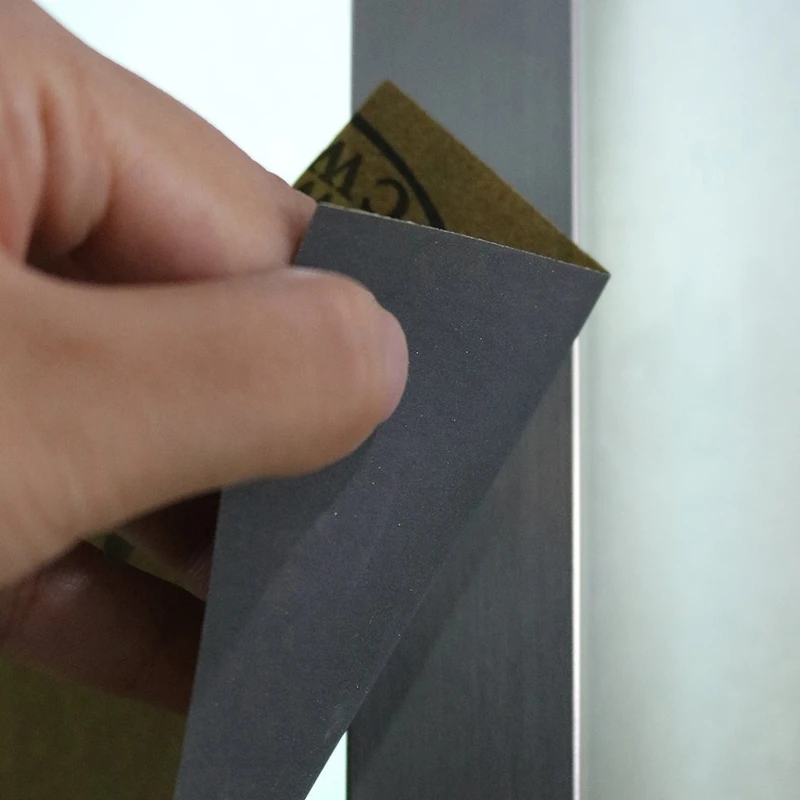
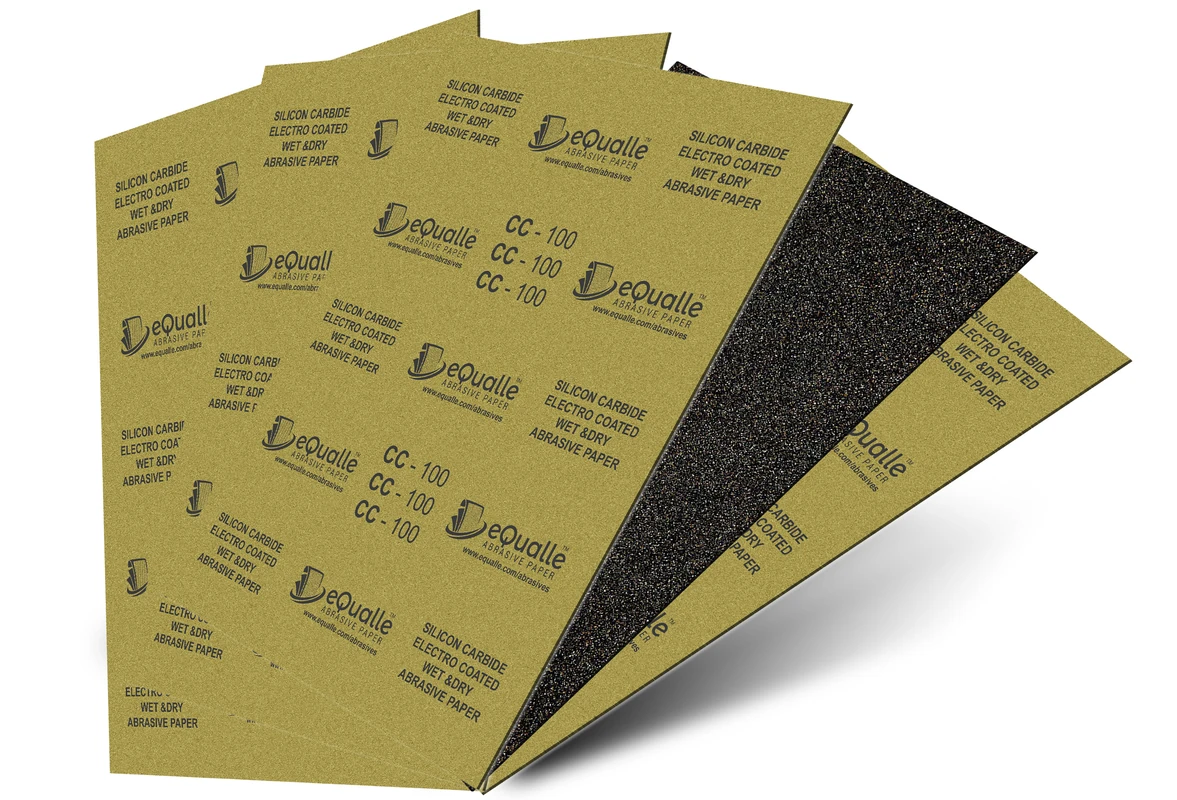
220 Grit Sandpaper Sheets (25-pack) — 9x11 in Silicon Carbide Abrasive for Wet or Dry Use — Fine finishing grit for final surface preparation before painting or coating. Offers uniform cutting on wood, metal, and plastic. Leaves a smooth, paint-ready finish suitable for wet or dry sanding. (Professional Grade).
Frequently Asked Questions (FAQ)
Q: How deep should I set nails before sanding?
A: Aim for 1/16–1/8 inch below the surface. That clears a 36–40 grit first pass without leaving craters that are hard to fill. Check depth with a plastic card or putty knife feeler.
Q: Should I pull screws or just countersink them?
A: If a screw is doing structural work (stopping a squeak), countersink it with a stop-collar bit and leave it. If it’s a random pan-head sitting proud, swap it for a trim-head screw, then countersink and fill.
Q: What filler should I use after setting and sinking?
A: For isolated holes, use a high-quality hardwood floor filler that matches your species/color. For broad areas, use trowel filler or a site-made blend of wood dust and compatible binder. Always vacuum before filling.
Q: How do I find hidden staples and nails efficiently?
A: Use a raking LED light at floor level to cast shadows, then sweep with a strong magnet. Mark spots with tape. A flexible putty knife used as a “feeler” will also catch tiny proud heads.
Q: Can I start sanding if a few nails are just barely proud?
A: Don’t risk it. Even a slightly proud head can shred a belt and scar your floor. Take the extra minute to set it properly—you’ll save time and money in the long run.