
Car surface prep to beat silicone and fisheyes
Saturday mornings have a way of making even a dusty garage feel like possibility. You pull the cover off your project car, roll open the door, and let the light fall across a fender you’ve sanded smooth. The compressor coughs to life. Mixing stick in one hand, tack cloth in the other, you breathe a little slower, ready to spray. And then it happens: the color flashes wet and glossy—except for a handful of tiny craters where the paint pulls away from the surface. Fisheyes. That sinking mix of frustration and disbelief is familiar to anyone who skipped a step, trusted a “clean” rag, or underestimated how unforgiving contamination can be. The fix doesn’t start with the spray gun; it starts with disciplined car surface prep—understanding what ruins adhesion and how to remove it before it ruins your finish.
The culprit is often silicone or oil, not a technique problem. It can drift from a tire dressing across the shop or hide in a polish you used months ago. It can be oil from an air line, residue from hand lotion, or a whisper of aerosol from a neighboring bay. Fisheyes are paint’s way of telling you the panel’s surface energy isn’t uniform. In practice, that means you need a plan that starts well before paint and ends with a deliberate test pass. If you’ve ever sanded back a panel three times because craters kept blooming, you already know the cost of shortcuts. This guide walks you through a clean, consistent process: how to identify likely contamination sources, strip them with the right chemistry, verify with simple tests, and lock in your work so color lays flat the first time. Let’s turn the anxiety of “Will it fisheye?” into the calm of “It passed the test.”
Quick Summary: Fisheyes are usually silicone or oil contamination; eliminate them by controlling your environment, decontaminating in the right order, using clean tools and verified solvents, then sealing and test-spraying before full coverage.
Why Silicone Ruins Paint
Silicone isn’t evil—it’s simply incompatible with a uniform wet film. Paint wants to wet out across a surface with consistent surface energy. Silicones, oils, waxes, and certain plasticizers create low-energy zones that repel liquid, forcing the coating to retract and form craters. Those spiraled little pits you see are the paint’s edge beading up around a contaminated center. On bare metal or primer, the effect is obvious; on glossy surfaces, it announces itself as soon as the solvent flashes.
Contamination sneaks in from many directions. Polishes and glazes, especially those labeled “high gloss” or “long-lasting,” often rely on silicone to fill and shine. Tire dressings and interior detailers atomize in the air and land on nearby panels. Air tools can blow compressor oil if filtration isn’t dialed. Household sprays—glass cleaners, furniture polish, even deodorant—carry silicones. In shared garages, contamination wanders; just because you didn’t apply it doesn’t mean your panel didn’t catch some.
The physics is helpful, not abstract. Think about water on a freshly waxed hood—it beads and runs away. Paint behaves similarly if the surface isn’t de-waxed and de-siliconed. That’s why you can sand, wipe, and still see fisheyes: sanding can smear contamination across a wider area, embedding it into micro-scratches, especially if the paper or block carries residue from a previous job. The solution is systematic, not accidental: wash first, then chemically strip, then mechanically decontaminate, then panel wipe, and only then consider primer, sealer, or color. When you control each step, you control the wet edge—and fisheyes don’t get a say.
Car surface prep that stops fisheyes
A contamination-free panel starts with strategy. Before you touch a rag, control your environment. Turn off fans that could carry aerosolized silicone from other bays. Use filtered, dry compressed air. Wear clean nitrile gloves from the moment you finish washing—skin oils are contaminants too. Think in terms of moving from “dirty” to “clean” zones and never backtrack.
Start with a thorough wash using a surfactant-based automotive shampoo or a diluted all-purpose cleaner. You’re not just removing dirt; you’re breaking the bond between oils, waxes, and the substrate. Rinse well and observe the “water-break” behavior: if water sheets uniformly, you’re moving in the right direction. Beading means you still have hydrophobic contamination to remove. After the wash, use a dedicated wax and grease remover (W&G) suited to your substrate. Apply it generously, wipe with a clean, lint-free towel, and immediately follow with a second towel to dry before the solvent re-deposits contaminants as it evaporates.
Avoid common traps. Don’t use the same microfiber towels you use for interiors or tire dressings; cross-contamination is real. Don’t spray any silicone-based product in the shop for at least 24 hours before paint. Don’t trust a tack cloth to fix silicone—it’s for dust, not oil. Once the panel passes the water-break test, move to claying and, if needed, iron and tar removal. These steps remove bonded contaminants that a wash can’t touch and prevent sanding from smearing residues into the substrate.
Actionable tips:
- Color-code towels and tools: paint-only towels (new), prep-only towels (washed without softener), never cross-use with detailing tasks.
- Use the two-towel method with W&G: one towel to apply and lift, second to dry before flash-off redeposits residues.
- Replace nitrile gloves often—one set for wash, one for W&G, one for final wipe.
- Keep a “no silicone” policy in your paint area; store dressings and polishes elsewhere.
- Do a water-break test after each major step; beading means repeat de-wax/de-silicone before moving on.
Decontamination, Step by Step
Think of decontamination as a ladder: you climb one rung at a time, and you don’t skip. Each step prepares the surface for the next and minimizes the chance of pushing contaminants deeper.
- Pre-wash and wash
- Blow off loose debris with filtered compressed air, keeping the nozzle away from the panel to avoid oil transfer. Foam or soak the panel with a degreasing shampoo or diluted all-purpose cleaner. Agitate with a clean mitt, focusing on edges, trim lines, and badges where waxes hide. Rinse thoroughly.
- Chemical strip
- Use a solvent-based W&G remover for heavy waxes and silicones. Work small areas, keep the surface wet, and wipe in one direction to lift, not smear. Follow with a water-based panel wipe to remove polar contaminants and surfactant residues. Alternate if needed; solvents and water-based cleaners lift different soils.
- Bonded contaminant removal
- If the panel isn’t fresh bare metal, use iron fallout remover and tar remover where appropriate, then rinse. Clay the surface with an automotive clay or synthetic media using a lubricant compatible with paint prep, not a “quick detailer” that can leave gloss agents. Wipe clean.
- Mechanical refinement
- Sand or scuff only after chemical decon. Use fresh abrasives and clean blocks or pads. Vacuum dust, then reapply a light solvent wipe using the two-towel method.
- Verification
- Water-break test: mist distilled water; look for continuous sheeting. Any beading indicates lingering hydrophobics.
- Solvent-wet test: apply a small amount of panel wipe and watch the wetting pattern. Uneven retreat suggests contamination.
- Test spray: on a masked-off corner or spray-out card taped to the panel, lay a light pass of the product you plan to spray next. If craters appear, stop and repeat decon.
Throughout the sequence, keep your workspace clean. Bag or remove anything that carries silicone: tire shine bottles, interior dressings, old microfiber towels. Clean the bench and gun stands. And most importantly, don’t rush the flashes—let each solvent step evaporate fully before the next, so you’re not trapping residues that could telegraph as fisheyes under paint.
Smart Solvents, Clean Tools
Solvents are not all the same—and the wrong choice can either leave contamination behind or spread it thinner without truly removing it. Use a purpose-made wax and grease remover intended for automotive refinishing; these blends are designed to dissolve silicones, waxes, and oils without swelling substrates. Pair it with a water-based panel wipe to capture the residues and polar contaminants a hydrocarbon-based cleaner might miss. Alternate when necessary, always finishing with the wipe that matches your next coating system’s recommendation.
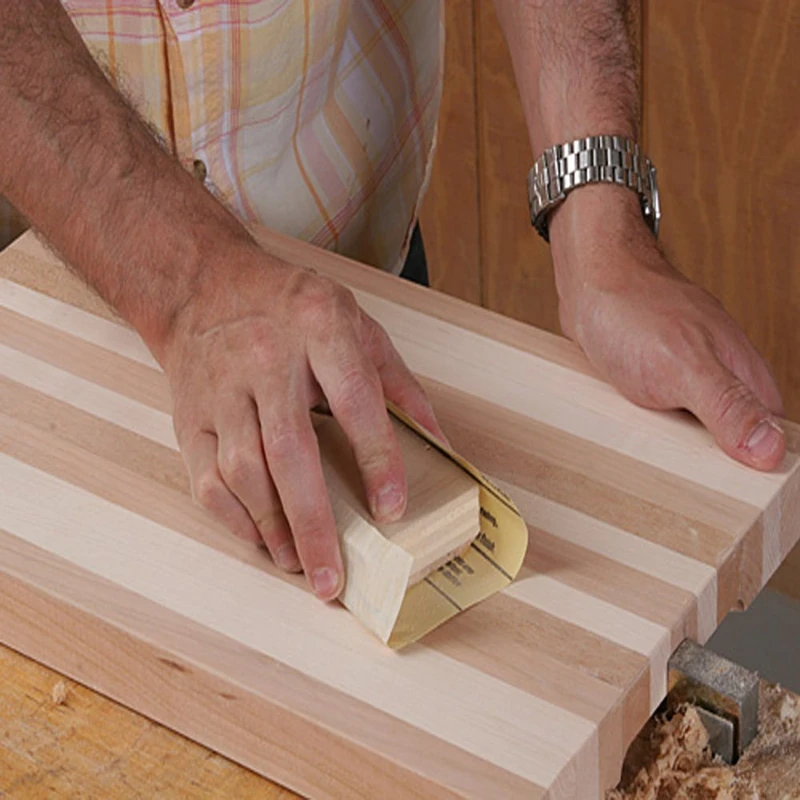
Use fresh, lint-free towels. Microfiber washed with fabric softener will shed silicone-like residues; launder with a free-and-clear detergent, a hot rinse, and no softener. If there’s any doubt, reserve brand-new towels for final prep. For abrasive work, use new paper and clean blocks; never grab the sheet you used to sand a bumper you dressed last week. Mixing cups, sticks, and strainers should come straight from sealed packages.
Air delivery is another contamination highway. Drain your compressor and filters daily, install a coalescing filter and desiccant dryer near the booth or spraying area, and purge your lines before pointing them at a panel. A single burp of compressor oil can cause fisheyes across an entire hood. Gun maintenance matters too: soak parts in the thinner your paint system recommends, dry thoroughly, and avoid universal cleaners that can leave a slick film.
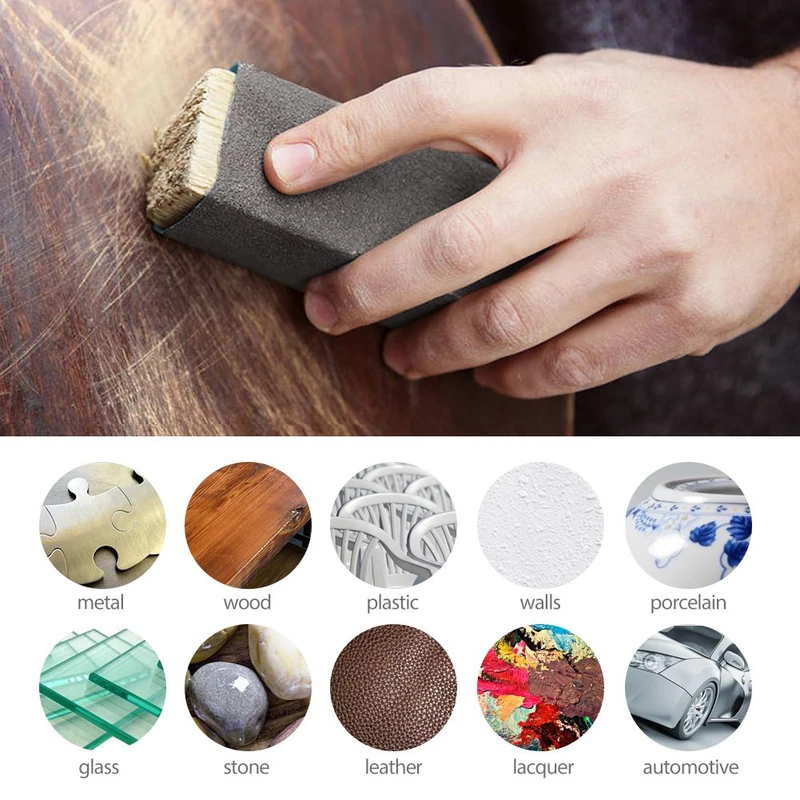
For edges, creases, and pinholes, consider a short dwell time with W&G remover on a swab, then chase it with clean air and a dry towel. This pulls contamination out of tight spots. If you suspect silicone embedded in old paint, a light solvent-scrub with a gray scuff pad can help, followed by a thorough wipe and rinse.
According to a article.
A word on “fisheye eliminator” additives: use only as a last resort. They can allow paint to wet over minor contamination, but they don’t remove it—and they may affect long-term adhesion or compatibility with future repairs. Your goal is always elimination at the surface, not masking in the film.
Primers, Sealers, and Testing
Once the surface is surgically clean, lock it in. Epoxy primers offer excellent adhesion and sealing on bare metal and properly sanded existing finishes; they create a uniform surface energy that downstream coats love. If you’re working over a patchwork of substrates—old clear, filler, bare metal—a compatible sealer lays down an even, non-porous layer that reduces the chance of localized wetting issues and promotes uniform color holdout. Follow your system’s tech sheets for flash times and recommended panel wipes between coats.
Before committing to a full pass, run controlled tests. Tape a spray-out card on the panel and apply your first product—primer, sealer, or base—lightly. Watch for immediate cratering. No defects? Apply a second, slightly heavier test pass. Still clean? Proceed to the panel with the same rhythm and gun distance you used in the test.
If fisheyes appear, stop. Don’t try to bury them. Let the coat flash, sand back the affected area, and return to decontamination. Evaluate where the entry point might be: a dirty tack cloth, an oily finger on the edge, an unwashed adjacent tire, or a freshly dressed engine bay across the shop. Remember, contamination can travel impressively far in aerosol form.
Useful checks before you spray:
- Water-break test on the sealed surface; it should sheet uniformly.
- Wipe a small area with your final panel wipe and confirm even wetting.
- Spray a mist coat first; if it craters, the problem is real—don’t proceed.
- Inspect edges and holes; contamination loves corners and fastener recesses.
Lastly, control overlap. Heavy wet passes over low-energy zones encourage cratering. A well-atomized, slightly lighter first pass increases your odds of even wetting. Then, build to coverage as your system allows. With clean surfaces and patient testing, fisheyes lose their leverage.
Classic Car Restoration-How — Video Guide
If you’re working on older panels, a clear view of “clean” metal helps. A classic-car restoration segment demonstrates how to strip and prepare surface-rusted steel so coatings adhere the way they should. The host methodically grinds to bright metal, treats remaining oxidation, and emphasizes careful panel cleaning before any primer is sprayed.
Video source: Classic Car Restoration-How To Prep Your Surface Rusted Metal. Part 3
80 Grit Sandpaper Sheets (25-pack) — 9x11 in Silicon Carbide Abrasive for Wet or Dry Use — Durable coarse abrasive that evens out irregular surfaces and clears old coatings. Ideal for early sanding stages in woodworking, fiberglass, or metal preparation. (Professional Grade).
Frequently Asked Questions (FAQ)
Q: What exactly causes fisheyes in automotive paint?
A: Fisheyes are small craters caused by low surface energy spots—usually from silicone, oil, wax, or similar contaminants—that make the wet coating retract instead of spreading evenly.
Q: Can a fisheye eliminator additive solve my problem?
A: It can help paint wet over minor contamination, but it doesn’t remove the cause and may affect adhesion or future repairs. Eliminate contamination first; use additives only as a last resort.
Q: How can I tell if silicone is truly gone before painting?
A: Use the water-break test (uniform sheeting), watch how panel wipe wets (no retreating), and perform a light test-spray on a card taped to the panel. Any beading or cratering means repeat decon.
Q: Are household degreasers safe for panel prep?
A: Most leave residues or fragrances that interfere with coatings. Stick to automotive-grade wax and grease removers and panel wipes formulated for refinish work.
Q: Why do fisheyes return after sanding them out?
A: Sanding alone doesn’t remove silicone; it can smear it. Chemically strip first, then sand, then panel wipe, and test-spray. Control your environment to prevent recontamination between steps.