
Detail sander sheets for delicate molding work
The first time you run your hand along a century-old mantel, it surprises you: the wood feels like time made tangible—quiet, complex, a little fragile. You trace the tiny bead-and-cove that frames the opening and realize those curves are what make the whole room feel gracious and composed. Then you catch the chips, the scratches, the lint of old paint. You want to make it right without losing what makes it special. That is the puzzle of sanding delicate moldings. Unlike a broad tabletop that welcomes a random-orbit sander, a profile with beads, fillets, and coves demands restraint and precision. This is where the humble choice of abrasives—and how you use them—makes all the difference. With the right detail sander sheets and a thoughtful approach, you can smooth out flaws while keeping the architecture intact.
Maybe you’ve inherited a mirror frame with carved rosettes, or you’re preparing stair trim for a clear coat. The stakes feel high because once a crisp edge is rounded, you can’t glue the geometry back on. The good news is you don’t need exotic tools—just fine-grit sheets, smart backers that match the curves, and a series of light, intentional passes. The rhythm is calm: sand a little, vacuum, inspect in raking light, repeat. It’s work that rewards patience, and it turns the anxiety of “I might ruin this” into the satisfaction of “I respected this.”
If you’ve ever been tempted to speed things up, think back to the pieces you admire most. They aren’t glossy because someone leaned hard on a coarse grit; they’re crisp because someone understood how abrasives cut, how pressure alters form, and how to stop when the surface is ready. This guide will walk you through the process—choosing grits and backers, selecting detail sander sheets that won’t chew up corners, and mastering techniques that preserve edges. By the end, you’ll have a clear plan to sand delicate moldings with confidence, not fear.
Quick Summary: Preserve crisp moldings by pairing fine-grit sheets with shape-matched backers, using light pressure, frequent inspections, and methodical grit progressions.
Know your molding anatomy
Before you touch sandpaper to wood, name what you’re protecting. Most trim profiles combine simple elements—beads (small, rounded ridges), coves (concave arcs), fillets (flat steps), and arrises (sharp edges where planes meet). Each behaves differently under abrasion. Beads and arrises lose definition fast because pressure concentrates on a narrow line. Coves flatten when a flat abrasive skims across a curve instead of conforming to it. The job is less “remove material” and more “maintain geometry while refining the surface.”
Start by reading the wood. On softwoods like pine, earlywood and latewood alternate in hardness; aggressive sanding can scoop soft bands and leave washboard textures. Hardwoods are more uniform but will still telegraph flat spots if you sand across a curve with a stiff block. If you’re prepping previously finished molding, note where old finish clings in recesses; those areas clog paper and encourage over-sanding elsewhere.
Next, plan direction. Sand parallel to the profile whenever possible—along beads, into and out of coves—so scratches align with the shape and vanish under finish. Across-grain strokes leave crosshatch marks that show under stain or clear coats. On compound curves, short, rolling strokes that follow the arc minimize flats.
Do a test run on a hidden spot. Lightly pencil witness marks across the profile. Sand as you intend to, then check which lines disappear first; that shows where you’re hitting hardest. If arrises fade before flats, you’re bearing too much on the edges. Adjust your backer shape or ease your grip.
Finally, set an end point. If the goal is “smooth and uniform sheen,” define the top grit you’ll reach—often 220 for oil-based finishes or 320–400 for clear waterborne finishes. Stopping at a planned grit prevents that endless “just one more pass” that eats detail.
Grits and backers that protect detail
Delicate profiles thrive under fine abrasives and conforming backers. Instead of reaching for 120-grit to “get it done,” start as fine as conditions allow. On bare, clean moldings, begin at 180–220 to refresh the surface and then step to 320 (and 400 for waterborne topcoats). If you must remove defects—drips, mill marks, or raised dents—spot-sand with 150–180, then immediately reblend with 220–320 across the full profile to avoid low spots.
The backer is as important as the grit. Flat cork blocks keep fillets flat without bruising edges. For coves, wrap paper around a dowel sized just under the curve’s radius, or use a foam interface pad that compresses to the shape. Felt or leather-wrapped blocks add a hint of give, hugging micro-variations without rounding arrises. A rubber “eraser” block with sharp corners can ride the tiny flats flanking a bead to keep that bead crisp. For tight quirks and ogees, trim small wedges from high-density foam or carve custom blocks from scrap molding offcuts—matching shape to shape is the surest way to avoid flattening.
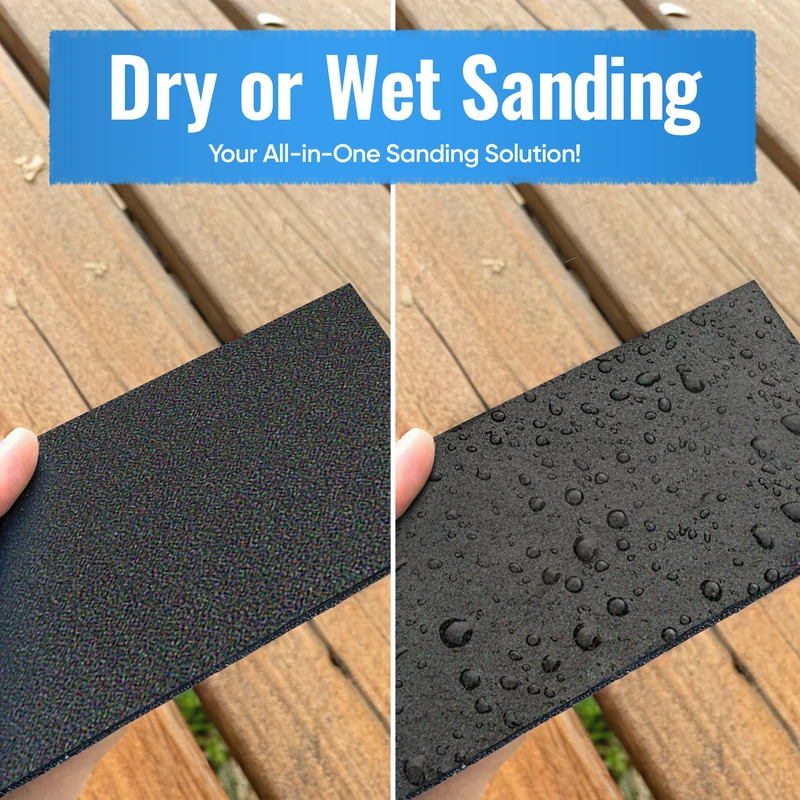
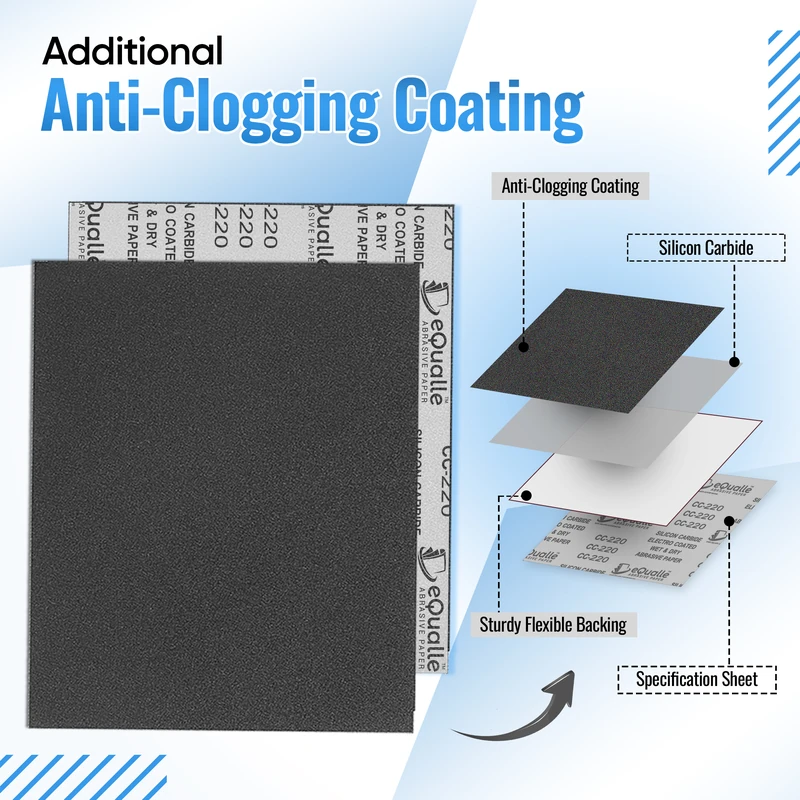
Paper type matters. Stearated aluminum oxide sheets resist clogging when sanding finishes or resinous woods. Silicon carbide wet/dry sheets cut cleanly at higher grits and leave a refined scratch pattern; use them dry on bare wood, or with a drop of mineral spirits when denibbing cured finishes. Hook-and-loop detail sheets excel with powered detail sanders because they’re quick to change and, with a foam interface, they distribute pressure more evenly. PSA (pressure-sensitive adhesive) rolls are efficient for making custom strips you can wrap around blocks and dowels.
Keep abrasives fresh. Clogged paper rubs rather than cuts, building heat and burnishing surfaces—a recipe for blotchy stain later. Tap papers clean, use a crepe-rubber cleaning block, or switch sheets often. And remember: the jump between grits should be modest—no bigger than 60–80 points—so you don’t waste time erasing deep scratches with ultra-fine paper.
Choosing detail sander sheets for profiles
Power can be gentle if you set it up right. Detail sanders—those compact, usually triangular “mouse” tools—are designed for corners and profiles when paired with the right detail sander sheets. Look for sheets that match your pad shape and attach securely via hook-and-loop so they won’t creep and snag edges. A foam interface pad between the tool and the sheet is invaluable on moldings: it softens the contact patch so the pad doesn’t bridge across coves or bite into beads. Run the sander at a lower speed, keep it moving, and let the abrasive do the work.
Grit selection follows the same logic as hand sanding: 180–220 for refining, 320–400 for prefinish. Many detail sheet kits offer mixed grits—pull only what you need and label leftovers so the next session stays organized. Break in fresh sheets with a quick swipe on scrap to knock down the initial sharpness before touching fragile edges.
Sheet shape and segmentation matter. Some detail sander sheets have perforated tips so you can rotate a worn point to a fresh one—handy when cleaning tight corners where tips burnish fast. If your molding has long, consistent curves, consider cutting sheets into narrow strips and wrapping them around a shaped block; the sander can work the flats while your hand refines the arcs. For tight escutcheons and carved ornaments, power might be too coarse—downshift to hand work with micro-abrasive pads (800–1500 grit) or abrasive cords that thread through small profiles.
Control heat and dust. Extended dwell in one spot glazes wood and melts resin into the paper. Use light pressure and short, overlapping strokes. Connect dust extraction when possible or pause frequently to vacuum and inspect under raking light. A clean surface reveals scratch direction and any creeping round-over at edges.
According to a article, longer-format abrasives can be trimmed for custom blocks and are useful for smoothing large, delicate areas without resorting to aggressive tools—proof that the right sheet format can expand your options when shaping and refining complex trim.
Techniques for crisp edges
Great sanding is choreography: contact, release, and constant awareness of where pressure lands. Start with a soft pencil and shade light witness lines across beads, fillets, and coves. As you sand, the pencil fades where you’re cutting; stop the moment lines are uniformly soft rather than gone. This prevents low spots and keeps you from chasing perfection past the point of no return.
Work in passes, not spots. Choose a section you can finish in a minute or two and move through a consistent sequence—flats first with a cork block, beads and coves next with shaped backers, then a final feather pass along the entire profile to unify the sheen. Pull or push strokes along the profile rather than across it. If you must cross-grain to remove a defect, follow immediately with with-the-grain strokes.
Protect edges before you start. Mask adjacent flat surfaces with low-tack painter’s tape to shield them while you refine a tight profile nearby. When sanding fillets bordering an arris, position your block so one face rides the fillet and the other floats off the edge; that way the arris isn’t bearing the brunt. On coves, choose a dowel a hair smaller than the radius so pressure concentrates inside the curve, not on its lips.
Address end grain gently. Moldings meet at returns and miters, and end grain drinks finish differently. Sand end grain at least one grit higher than surrounding long grain to even absorption—if flats are 220, consider 320 on returns.
Use scrapers strategically. A sharp, small card scraper or a cabinet scraper with a profiled edge can level drips or humps without changing the overall shape, leaving minimal scratches to remove. Follow with fine paper to blend.
Five actionable tips for preserving detail:
- Float your grip: pinch blocks lightly with fingertips; avoid palm pressure that rounds edges.
- Wrap paper diagonally around blocks so a fresh edge is always presented to the work.
- Rotate detail sander sheets often, using fresh perforated tips for corners.
- Check progress under raking light after every minute of sanding.
- Mark “no-sand” lines around crisp carvings to remind yourself to hand-sand only there.
Dust control and finish readiness
Dust isn’t just a cleanup issue—it obscures your read on the surface and can embed in finishes. The smallest investment with the biggest payoff is a routine: sand for a minute, vacuum with a soft-bristle brush, inspect in raking light, then continue. If your detail sander accepts extraction, use it; even a small hose reduces loading and keeps temperatures down. For hand work, a dedicated bench brush and a shop vac live at arm’s reach.
Avoid overusing tack cloth on bare wood; some can leave residue that interferes with waterborne finishes. Instead, vacuum thoroughly and, if needed, wipe with a clean, lint-free microfiber. Before waterborne finishes, consider raising the grain intentionally: dampen lightly with a clean sponge, let dry, then scuff with 320–400. This pre-raises fibers so your first coat doesn’t feel fuzzy and require aggressive denibbing on delicate profiles.
Test the sheen uniformity. Tilt the piece under a bright, low-angle light. A consistent matte look tells you the surface is evenly sanded; shiny patches are burnished (too smooth, may resist stain), and dull streaks suggest deeper scratches. If you’re staining, wipe a small, inconspicuous area with mineral spirits to preview color and highlight scratches you missed.
Mind the environment. Temperature and humidity affect finishes and sanding behavior. In humid shops, dust clumps and papers load faster; change sheets more often. Cold rooms can make finishes thicker, tempting you to sand harder between coats—resist. Allow full cure, then use 320–400 with a light touch to denib.
Finally, choose your stopping point. For clear topcoats on hardwood moldings, 320 is often a sweet spot; going to 400–600 can burnish and reduce stain uptake on certain species. For painted trim, focus on uniformity more than ultra-high grits—220–320 yields excellent adhesion and a glassy feel once painted.
KraftFix by Einhell — Video Guide
This brief shopping-segment video showcases an Einhell electric detail sander bundled with ten triangular sheets, focusing on how the pad shape and quick-change system help in corners and along tight trim. You’ll see the tool’s size relative to small profiles, basic speed control, and simple dust collection—all useful cues when deciding if a detail sander suits your molding work.
Video source: KraftFix by Einhell Electric Detail Sander with 10 Sanding Sheets on QVC
220 Grit Sandpaper Sheets (10-pack) — 9x11 in Silicon Carbide Abrasive for Wet or Dry Use — Refined medium-fine abrasive for final surface leveling on primed or sealed materials. Great for smooth touch-ups before finishing. (Professional Grade).
Frequently Asked Questions (FAQ)
Q: What grit should I use first on delicate moldings?
A: If the surface is clean and largely defect-free, start at 180–220 to refresh without reshaping, then step to 320 (and 400 for waterborne clear coats). Use 150–180 only for spot repairs, and reblend immediately with finer grits.
Q: How do I keep from rounding sharp edges?
A: Match your backer to the shape, use light fingertip pressure, and avoid lingering on arrises. Mask adjacent flats, sand along the profile, and stop when pencil witness marks fade uniformly rather than vanishing completely.
Q: Are detail sander sheets safe for very fine profiles?
A: Yes—if you use fine grits (220–400), a foam interface pad, low speed, and constant motion. Rotate perforated tips often and switch to hand sanding or abrasive cords for the tightest carvings.
Q: Do I need to raise the grain before finishing?
A: For waterborne finishes, a light grain raise followed by a 320–400 scuff helps prevent post-coat fuzzing, especially on softwoods and end grain. For oil-based finishes, it’s usually unnecessary.
Q: How can I tell when to stop sanding?
A: Use raking light to check for a consistent matte sheen and run a light touch across the surface; it should feel uniformly smooth with no shiny burnished spots or rough bands. Set a top grit in advance and stop when you reach it with even results.