
Store PSA Sanding Discs Right for Lasting Adhesion
Late on a Sunday, the shop is quiet except for the hiss of the compressor and the low whirr of a sander walking a maple tabletop toward its final sheen. You’re on the last pass with a clean 320 grit, dust extraction pulling a neat spiral on the pad, edges feathered perfectly. Then it happens: the disc lets go. It doesn’t fling across the room; it just slumps off the pad, the pressure-sensitive adhesive mottled with shop dust, oil, and regret. You press it back on and get thirty seconds before it creeps loose again. It’s a familiar failure—and it rarely starts at the tool. It starts at the drawer where a sleeve of psa sanding discs went unsealed, where humidity found paper backers, where airborne silicones settled invisibly over weeks.
I’ve seen this across body shops, millwork studios, and composite labs: technicians chase abrasive performance with better grits and higher-end films, but the bond to the pad becomes the weakest link. Adhesion is unforgiving. A few microns of dust defeat wet-out; a ten-degree temperature swing moves tack from “grabby” to “glassy”; a carelessly stacked box imprints ridges that never release. The cost isn’t just a wasted disc—it’s a gouged panel, a heat spot from a wobbling pad, a stall in flow when a sander spits off a sheet mid-panel.
The fix is not a gimmick. It’s a storage and handling workflow that treats the PSA layer as a critical surface—because it is. A predictable environment, clean packaging, disciplined handling, and a short press-bond ritual at the tool will make your discs feel like they were made for your pad that minute. And the benefits compound: better cut rate because the disc stays flat, lower pad temperatures because the interface is fully supported, longer pad life because there’s no micro-slippage chiseling the foam. This is about craft under pressure—turning a small habit, storing discs right, into measurable gains in finish quality and throughput.
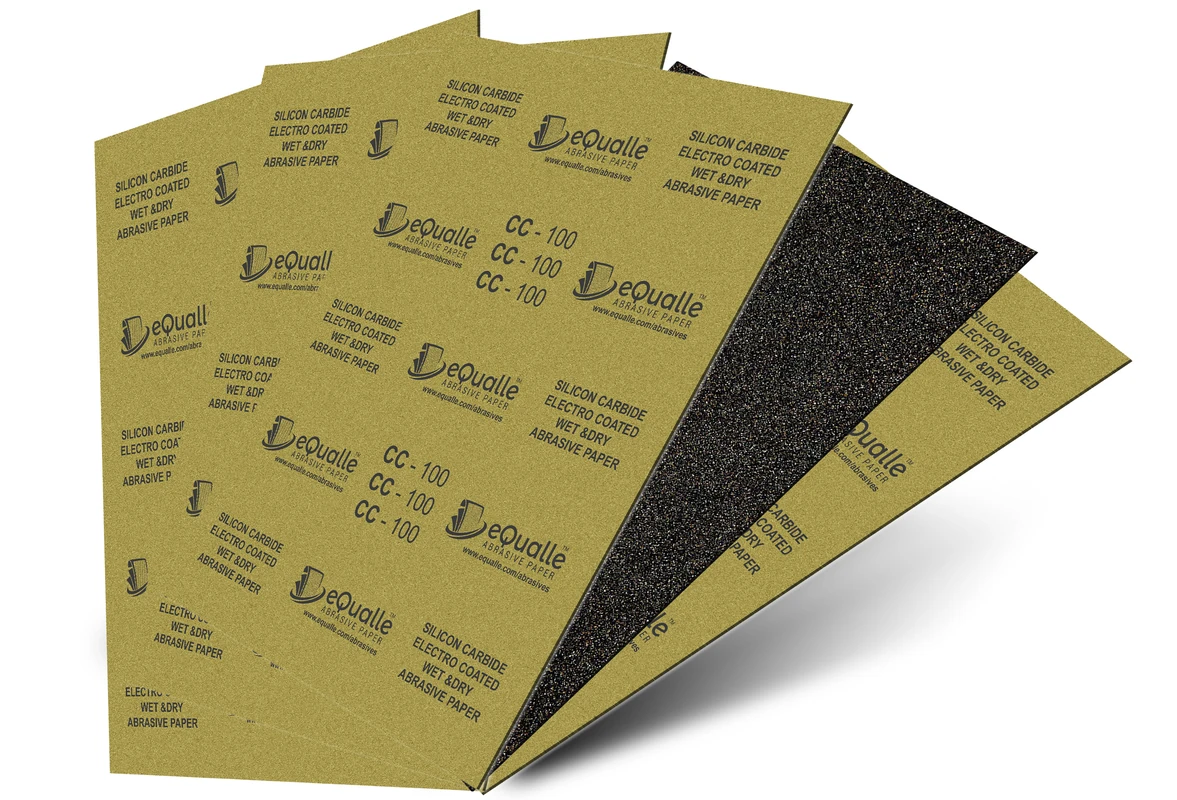
Quick Summary: Control climate, contamination, and handling to protect PSA adhesive, then bond with pressure and clean pad surfaces to keep discs secure and cutting consistently.
Why Adhesive Fails Before the Abrasive
PSA (pressure-sensitive adhesive) is a viscoelastic film designed to wet out a smooth substrate with modest pressure and form an immediate, peel-resistant bond. In sanding discs, that substrate is your sander’s platen or interface pad. When bonds fail early, it’s almost never because the adhesive “isn’t sticky.” The culprits are predictable: contamination, temperature extremes, humidity cycling of paper backers, and inadequate wet-out pressure or dwell.
Contamination lives everywhere in a shop: airborne dust, silicone overspray from polishes, aerosolized lubricants, and the plasticizers migrating from PVC containers. Silicone is especially insidious; micrograms spread across a surface like an oil slick, lowering surface energy and preventing PSA flow. Dust embeds into the PSA face when discs are stored uncovered. Even clean hands can transfer skin oils, which act like mold release.
Temperature and humidity do the rest. Most PSA chemistries (rubber-resin or acrylic) become noticeably less tacky below about 15°C (59°F) and too soft above ~30°C (86°F). Cold adhesive doesn’t wet the pad; hot adhesive can creep under shear. Paper-backed discs also sorb humidity, curling or flattening and stressing the adhesive layer. Over time, cycling between cold, warm, dry, and humid makes the bond inconsistent.
Finally, wet-out is not magic: it requires pressure over area for time. Slapping a disc on with a thumb sweep provides point pressure and traps air. Proper bonding takes 5–10 seconds of firm, even pressure or a quick pass with a small J-roller to push out micro-voids. Done right, the resulting interface resists peel and shear, keeps the disc flat under RPM, and minimizes heat generation at the bond line.
Recognize adhesive failure mechanisms like edge lift (contamination or poor pressure), center bubble (air entrapment), and creep (excess heat or an overloaded pad). Prevention starts long before the disc touches the platen.
Climate-Controlled Storage for psa sanding discs
PSA chemistry is happiest when you are: room temperature, stable humidity, and low UV. Aim to store discs at 18–24°C (64–75°F) and 35–55% RH. Below that, tack drops and wet-out suffers; above it, you risk creep and print-through. A small, dedicated cabinet or tote that stays in this band will do more for reliability than any “stronger adhesive” promise on a box.
Seal against the air. Keep psa sanding discs in their original release liners and recloseable polyethylene bags—not vinyl. PVC pouches can leach plasticizer that migrates onto PSA. For open sleeves or bulk boxes, rebag in 4 mil PE zipper bags with a small silica gel sachet and a 40–60% humidity indicator card. The card tells you when to recharge desiccant, and the sachet blunts humidity spikes from daily door openings.
Store flat on a rigid surface. Vertical stacks in a hot shop will slump, imprint rings, and create permanent low-tack zones. Avoid compressing stacks under weight; PSA is viscoelastic and can cold-flow slightly under load, especially in warm conditions. For rolls, cap ends and store horizontally to prevent telescoping and dirt pickup on the edges.
Heat and light matter. Keep discs away from windows, heaters, and motors that shed ozone. Ozone and UV age rubber-resin PSAs faster than acrylics, embrittling the surface over months. A closed, opaque bin or drawer is a cheap shield.
Finally, quarantine contamination. Dedicate one bin for discs and nothing else. Never toss in polish, wax, aerosol lubricants, or silicone-treated rags. Those molecules don’t respect lids—they migrate. If you use silicone in any form, store it in a separate cabinet, ideally outside the sanding bay. It’s the difference between a disc that bonds confidently every time and one that lifts at the edge as soon as the pad warms up.
Actionable storage tips:
- Keep discs sealed with their release liners in PE bags with desiccant and a 40–60% RH card.
- Target 18–24°C and 35–55% RH; avoid windows, heaters, and ozone sources.
- Store flat; don’t stack heavy items on disc packs or leave rolls uncapped.
Packaging, Liners, and Clean Handling
The release liner is not packaging; it’s a precision surface that preserves the adhesive face. Treat it like part of the tool. When you open a sleeve, leave the unused discs interleaved with their liners. If bulk discs arrive without individual liners, cut sheets of silicone-coated release paper to size and stack discs adhesive-to-liner, not adhesive-to-adhesive.
Handling protocol is simple and strict. Use clean, powder-free nitrile gloves when touching the PSA face. If you must handle bare-handed, only touch the perimeter of the disc. Do not stack discs adhesive-to-abrasive; abrasive grains will imprint into PSA under even light pressure, reducing contact area and bond strength at the pad.
At the bench, create a clean staging area: a shallow tray with a dust-free mat and a lid. Wipe the tray with isopropyl alcohol (70–99%) and let it flash off before setting discs inside. Keep the lid on whenever you’re not actively selecting a disc. Avoid compressing the disc stacks with clips or bands; the liner prevents sticking, not deformation.
Beware of cross-contamination sources you might not suspect:
- Silicone mold release or tire dressings used across the shop.
- Aerosol penetrants and chain lubes that atomize widely.
- Hand lotions and barrier creams with silicones.
- Freshly cleaned benches wiped with silicone-containing polishes.
If contamination is suspected on a PSA face, resist the urge to “wipe it clean.” Most solvents either soften or permanently dull the PSA surface energy. Instead, retire the disc for non-critical uses or trim the outer radius (where edge lift starts) and dedicate it to small interface pads or detail sanders.
Finally, travel smart. When carrying discs to the floor, keep them in a closed folder or rigid envelope, not loose in an apron or on top of a cart. Air carries dust; carts pick up overspray. One minute of care saves an hour of maddening rework when a disc won’t stay put under load.
Actionable handling tips:
- Always keep the release liner on until seconds before application.
- Handle PSA faces with nitrile gloves and only by the disc edge.
- Stage discs in a lidded, alcohol-wiped tray; never on open benchtops.
Shelf Life, Rotation, and Inventory Control
Like all polymers, PSAs age. Rubber-resin systems deliver aggressive initial tack but oxidize faster than acrylics, especially under heat and ozone. Acrylic PSAs age slower but can be slightly less “grabby” in cold starts. Whatever the chemistry, most manufacturers quote 12–24 months of shelf life from manufacture when stored at room conditions in sealed packaging. That clock starts before the box hits your bench.
Build an inventory discipline:
- Mark every pack with the received date and lot number.
- Practice FIFO (first in, first out); put new stock behind older stock.
- Keep working quantities small. Refill from sealed backup packs weekly, not daily, to minimize air exposure cycles.
Aging signs include clouded adhesive (from micro-cracking), unusual odor changes, or a chalky feel. If you see these, test on a spare pad for edge-lift under heat. Don’t push questionable stock onto critical finishes. Discs that fail adhesion perform unpredictably at the cut face too—minor flutter changes the scratch pattern.
Packaging matters for shelf life. Factory shrink-wrap plus a release liner is your friend. If you break bulk or split cases across teams, repackage with care: double-bag in PE, add desiccant, and record split dates. Avoid masking tape to reseal wraps; its adhesive can transfer, and its outgassing contaminates. Use painter’s tape only on the external bag if you must label beyond a marker.
Inventory choices can mitigate risk. For hot shops or heavy orbital loads, film-backed discs with acrylic PSA often fare better over time than paper-backed with rubber-resin, especially at the 6–8 inch sizes where centrifugal forces and pad heat climb. If your work demands long, continuous passes (e.g., solid surface seam blending), consider specifying discs with a slightly firmer PSA designed for high-temperature shear.
According to a article
Finally, plan disposal. Don’t keep a purgatory bin of “maybe” discs. Anything that shows edge-lift in a 60-second warmup at working RPM should be retired or cut down for small pads. Stubbornly reusing compromised adhesive costs more in defects than it saves in consumables.
Actionable inventory tips:
- Date and lot every pack; enforce FIFO and keep bench stock minimal.
- Rebag split cases with desiccant and PE, not vinyl; avoid tape touching discs.
- Test aged discs on a spare pad for edge-lift before field use.
Workflow Integration at the Sander
Storage discipline pays off only if the bond at the tool is executed correctly. Start with the platen: clean, dry, and smooth. For PSA platens or interface pads, wipe with 99% IPA on a lint-free cloth; allow full evaporative dry. Avoid solvents like mineral spirits that can leave residues. If you’ve ever used silicone spray near the sander, replace the pad or at least deep-clean with repeated IPA wipes and an overnight air-out.
Warm the disc and pad to room temperature. If you pull discs from a cooler area, let them equilibrate for 15 minutes. Cold PSA behaves glassy and won’t wet out. Conversely, don’t preheat with a gun—localized overheating softens the PSA and can warp film backers. Ambient is best.
Apply with method:
- Peel the liner without touching the adhesive; hold the disc by the edges.
- Align to the pad; tack one quadrant lightly to set position.
- Starting at center, press outward in firm circles or use a 2-inch J-roller. Aim for 5–10 seconds of even pressure across the face.
- Wait 15–30 seconds before spinning up to allow micro-wet-out.
During the first minute of sanding, keep the tool flat and pressure moderate. High edge loading and tilt are what peel-lift vulnerable bonds. Use dust extraction to reduce pad heat; frictional temperature spikes soften PSA and accelerate creep. If you must sand without extraction, shorten duty cycles and allow the pad to cool between passes.
Pad condition matters as much as adhesive. Foam that’s “skinned” or abraded can trap dust; replace pads that feel glossy or exhibit melted zones. A rough, linty, or torn pad face behaves like a contaminant. Likewise, ensure the pad face is free from residual hook-and-loop fibers if you swap between H&L and PSA systems—those fibers defeat full-area contact.
Finally, don’t pry discs off at a single edge when changing grits. Peel slowly at a low angle around the circumference to avoid tearing PSA residue onto the pad. Any residual adhesive on the pad should be removed with an adhesive remover compatible with your pad material, followed by an IPA wipe. Residue begets dust traps, which beget bond failures.
Actionable bonding tips:
- Clean the platen with 99% IPA; let fully dry before application.
- Press-bond for 5–10 seconds with a J-roller; wait 15–30 seconds before sanding.
- Use dust extraction and flat technique during the first minute to stabilize the bond.
Stop Melting Your — Video Guide
This short technical video examines, under magnification, how random-orbit sander pads degrade and why discs eject under load. While it focuses on hook-and-loop pads, the thermal and mechanical lessons translate directly to PSA: heat buildup, worn interfaces, and contamination reduce holding power regardless of attachment type.
Video source: Stop Melting Your Hooks (why sanding discs fly off your sander)
180 Grit Sandpaper Sheets (25-pack) — 9x11 in Silicon Carbide Abrasive for Wet or Dry Use — Medium finishing grit that refines wood, metal, or drywall before painting. Provides even texture and cutting control. Excellent for wet or dry sanding where a uniform surface is needed. (Professional Grade).
Frequently Asked Questions (FAQ)
Q: What temperature and humidity should I store PSA discs at?
A: Target 18–24°C (64–75°F) and 35–55% relative humidity. Keep discs sealed in polyethylene bags with their release liners and a small desiccant to buffer swings.
Q: Can I refrigerate psa sanding discs to extend shelf life?
A: Not recommended. Cold reduces tack and causes condensation when you bring discs back to the shop, inviting contamination. Stable room conditions in sealed bags are safer.
Q: How long do PSA discs last in storage?
A: Most retain optimal adhesion for 12–24 months from manufacture when kept sealed at room conditions. Practice FIFO, date packs, and test older stock for edge-lift before critical work.
Q: How do I clean a platen before applying a disc?
A: Wipe with 99% isopropyl alcohol on a lint-free cloth and allow complete evaporation. Avoid silicone sprays and oily solvents; any residue lowers surface energy and weakens the bond.
Q: Can I salvage a disc that won’t stick due to contamination?
A: There’s no reliable way to restore a contaminated PSA face. You can trim the edge and use it for small pads or non-critical tasks, but for high-quality finishes, replace it and fix the storage or handling issue that caused the failure.