
Dustless Sanding: Clean Filters, Max Suction Power
You know that moment when the sander hums just right, the surface levels out like silk under your hand, and your respirator stays clean because your extractor is doing its job? That’s the feel of a tight setup: hoses sealed, filters breathing, suction steady. Then—fifteen minutes in—you sense the change. The pad bogs down, dust swirls where it shouldn’t, and your once‑crisp orbit starts skating. That drop in performance isn’t magic. It’s physics and maintenance colliding. Fine dust packs the filter, the air path chokes, and static pressure spikes. Whether you’re finishing maple cabinet doors or knocking back drywall seams, the fix is the same: clean filters to maintain suction power, and build your system so it stays clean longer. That’s the backbone of reliable dustless sanding.
I’ve tuned dozens of extractors—from auto body bays to small garage shops—and the pattern never changes: the more consistent your filter care, the steadier your CFM and the better your abrasives cut. It’s not just about sweeping out a canister “when you get to it.” It’s a routine. From choosing the right prefilter to dry-blowing and bench‑tapping at the right intervals, these decisions turn a middling vac into a dependable dust machine. If you’ve ever struggled to keep suction alive on a long block‑sanding pass or during an all-day drywall run, this guide will walk you through exactly how I keep my rigs pulling hard without coating the air—true dustless sanding, the way it should be.
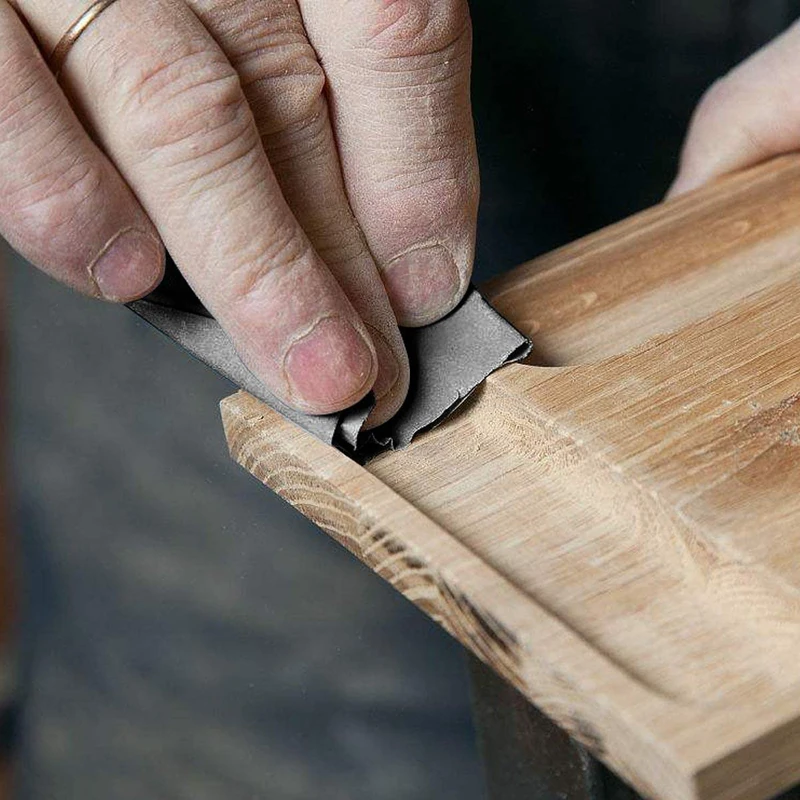
Quick Summary: Keep suction strong by cleaning filters on schedule, adding pre-separation (cyclone or bag), sealing all air paths, and matching your extractor to the dust you make.
Why Suction Fades and How to Fight It
Suction loss almost always traces back to one of three things: clogged filters, restricted airflow, or leaks. Fine dust—think drywall joint compound, hardwood fines, or auto body filler—packs deep into filter pleats. As the pore openings close, your vacuum works harder to pull the same air, torque rises, and CFM falls. The sander feels sluggish, your paper loads, and the work slows. If you’ve ever felt your extractor sound “higher pitched” mid-job, that’s the motor spinning faster against reduced airflow. It’s a tell.
Here’s how to fight back:
- Know your dust. Drywall and body filler are ultra-fine and demand HEPA or high-MERV filters with pre-separation. Solid-surface and hardwoods can run on standard HEPA with a fleece bag. Concrete dust? That’s HEPA-only territory with aggressive pre-separation and frequent cleaning.
- Check your air path. A 1.25-inch hose on a high-CFM vac can starve your sander. Use the diameter your tool calls for and keep runs as short and straight as possible. Kinked hoses are suction killers.
- Eliminate leaks. Every cuff, reducer, and port should twist-lock or gasket tight. Even pinhole leaks steal lift and let fine dust float where it shouldn’t.
Pro move I teach apprentices: establish the “baseline pull.” With a clean filter and empty bag, block the hose with your palm and feel the lift for three seconds. That resistance is your benchmark. Any time it changes noticeably mid-task, you know it’s time to clean or check for a problem. Keep a note on your vac: last clean date, bag status, and hose size. Your future self will thank you.
Dustless sanding setups that stay powerful
You don’t get dustless sanding by accident—you build for it. Start with an extractor matched to your tools’ airflow needs, then stack the deck in your favor with smart accessories. A sander with full-pad extraction needs steady CFM and clean pleats; a DA for bodywork or a drywall pole sander can drown a filter in minutes without pre-separation.
Core elements to lock in:
- Filter strategy: Pair a HEPA main filter with either a fleece bag or a cyclone separator. The pre-stage catches bulk dust so the HEPA can do its fine-particle job without clogging.
- Hose and pad integrity: Keep the sander’s pad holes clear. Rotate your abrasive slightly each swap to prevent the same holes from clogging. Replace tired pads—collapsed foam ruins extraction.
- Auto-clean vs. manual: If your extractor has auto filter cleaning, set the interval appropriately. Shorter pulses help with ultrafine dust, but too much pulsing wastes air and can annoy your ears.
Three workshop-tested tips:
- For drywall or MDF, always run a pre-separator. Your filter will stay clean 3–5× longer.
- Use fleece bags, not paper, for fine dust—they breathe better and resist tearing.
- Ground your hose or use anti-static where possible; fines cling less, and you’ll transfer more dust into the extractor instead of coating the hose walls.
When you dial in this setup, you’ll notice your sanding discs last longer, your cuts stay cooler, and your respirator filters remain surprisingly clean at the end of the day. That’s the payoff: power and protection working together.
Filter Cleaning: Step-by-Step Routine
If you take only one habit from me, take this: clean filters on schedule, not just when you notice a problem. I run a light, medium, and deep routine. It’s quick, and it keeps suction rock-solid.
Light clean (every 30–60 minutes of continuous sanding):
- Power down. Remove the hose cuff from the tool so dust doesn’t backflow.
- Bench-tap the filter: With the filter installed, gently tap the canister sides 6–10 times to drop fines into the bin. Don’t hammer; you’ll crack pleat glue-lines.
- Pulse blow (if available): If your vac has a manual back-blow or shake, use it now.
Medium clean (end of job or bag change):
- Remove the filter and hold it vertical over a bin. Tap the endcap lightly to shed the outer layer.
- Blow from the clean side out with regulated air (30–40 PSI max). Short, sweeping passes only. High pressure can embed dust deeper or tear media.
- Inspect gaskets and the seat. A loose seal loses lift and leaks fines back into the air stream.
Deep clean (weekly in heavy use):
- Wash only if the filter is rated washable. Rinse from clean side out with lukewarm water—no soaps or solvents. Air-dry fully; never run a damp filter. Mark it with a date and “washed” for tracking.
- Replace HEPA filters per manufacturer hours or when pleats lose stiffness. A limp pleat can’t hold its shape under load.
Maintenance signal you won’t miss: rise in tone and warmer exhaust. That’s the motor working harder because the air path is restricted. Hit the light clean immediately.
According to a article
I also recommend labeling your filter with its service life: “Start: 2/10, Light cleans: ||||, Medium: ||.” When the marks hit your planned limit, retire it before it surprises you mid-finishing pass.
Upgrades: Cyclones, Bags, and HEPA Care
Pre-separation is the single best upgrade for keeping filters clean and suction strong. A compact cyclone mounted before your extractor spins out bulk dust and chips, letting only fines reach the main filter. On drywall or body filler, a cyclone can keep you sanding for hours with almost no loss of pull. If space is tight, a high-quality fleece bag inside the extractor serves a similar role and keeps cleanup tidy.
Consider these upgrades and habits:
- Cyclone separators: Choose one matched to your CFM. Too big and it won’t spin efficiently; too small and you’ll choke the flow. Transparent bins let you see when to empty—don’t let dust pile to the inlet.
- Fleece bags over paper: Fleece has depth loading, which means dust penetrates the fibers instead of forming a suffocating crust on the surface. Your filter sees cleaner air and lasts longer.
- HEPA filter protection: Don’t knock or over-compress HEPA pleats. They’re precise. Store spares in sealed bags to keep ambient dust from clogging them on the shelf.
- Auto-clean timing: Some extractors pulse the filter every 10–15 seconds. That’s great for ultrafines but can be excessive on chip-heavy work. If your unit allows, lengthen the interval for wood sanding to save energy.
Three actionable tuner tips:
- Add a prefilter sock to your HEPA when working exclusively with ultrafine dust. It catches the first layer and peels off for fast resets.
- Use a short whip hose at the tool (6–8 feet) connected to a larger main hose. This balances maneuverability with volume.
- Seal every joint with proper cuffs; tape is a last resort and tends to fail under flex and heat.
The return on these tweaks shows up in your workflow. Instead of stopping to shake out a filter mid-panel, you’ll push through the pass, keep scratch patterns consistent, and finish faster with cleaner air.
Troubleshooting Stubborn Clogs
Even with the best routine, you’ll run into days when the filter cakes hard or the hose chokes up. When suction tanks suddenly, diagnose methodically instead of guessing.
Start at the tool:
- Check pad holes and the interface pad for dust doughnuts. Blow them out and rotate the disc slightly. Replace any pad with torn mesh or crushed foam.
- Inspect the hose at the first bend for build-up. Fine dust accumulates where static makes it cling.
Then the hose and fittings:
- Detach sections and shake while vertical. Listen for rattles—hardened filler crumbs can bridge across corrugations.
- Reduce adapters and cuffs to bare minimum. Every step-down is a pressure drop and a probable snag point.
At the extractor:
- Open the lid, remove the bag or bin, and look up at the filter intake. If there’s a dust cap bridging the pleats, you’ll see a smooth “shell.” Tap and peel it off gently.
- With power off, hand-turn the auto-clean paddle (if equipped) to free any stuck mechanism. A jammed paddle equals a useless pulse.
Reset procedure that rarely fails:
- Empty the bin or replace the bag.
- Remove the filter and blow from clean side at low PSI.
- Run the extractor for 20–30 seconds with no filter to purge the housing (only if your model allows it and you can vent outdoors safely).
- Reassemble with seals checked, then palm-block the hose to confirm strong lift.
If the motor whines but pull is weak even after cleaning, check for a cracked housing or a missing tank gasket. Air leaks will mimic a clogged filter by killing lift. Replace worn gaskets and tighten latches; that rubber ring is cheap insurance for full suction.
Maintenance Schedules That Actually Work
The right schedule is the difference between smooth, dustless performance and constant babysitting. I build mine around task type and dust load, then treat it like any other tool calibration.
Baseline schedules:
- Cabinet or hardwood sanding (moderate fines): Light clean every 60 minutes; medium clean at bag change; deep clean every 20–30 shop hours.
- Drywall, MDF, auto body filler (ultrafine): Light clean every 30 minutes; medium clean twice daily or at 50% bag level; deep clean weekly.
- Concrete or solid surface (silica-rich): Light clean every 20 minutes; use cyclone + HEPA + prefilter sock; replace prefilter daily in heavy work.
Small but powerful habits:
- Date your bags and filters with a sharp marker. If you can’t remember the last change, the filter is already behind.
- Store spare filters flat and sealed. Dusty storage turns a “new” filter into a compromised one.
- Keep a dedicated “filter station” on a bench—soft mallet, regulated air gun, spare gaskets, and a bin. If it’s easy, you’ll actually do it.
Calibration check once a month:
- Time how long it takes to fill a 5-gallon bucket through the hose (wet vac setting, if your unit supports it). A big change month-to-month signals airflow issues.
- Weigh used bags versus new to estimate when performance starts to fall off. Heavier isn’t always better—once resistance spikes, swap the bag even if it isn’t physically full.
Those routines make dustless sanding sustainable. You’ll stop reacting to suction loss and start preventing it, which is the real pro move.
Testing DUSTLESS Sanding — Video Guide
A popular shop channel puts a dustless sanding tool and extractor combo through a buy-or-bust workout, pushing it across body filler and fine sawdust to see if the system keeps suction under load. The host highlights setup details—pad hole alignment, hose sizing, and filter pulsing—and shares a limited-time discount code for the gear.
Video source: Testing DUSTLESS Sanding Tool - BUY or BUST?
180 Grit Sandpaper Sheets (100-pack) — 9x11 in Silicon Carbide Abrasive for Wet or Dry Use — Medium finishing grit that refines wood, metal, or drywall before painting. Provides even texture and cutting control. Excellent for wet or dry sanding where a uniform surface is needed. (Professional Grade).
Frequently Asked Questions (FAQ)
Q: How often should I clean my filter during heavy drywall sanding?
A: Every 30 minutes do a light clean (bench taps and a gentle back-blow if available). Add a medium clean at lunch and day’s end. Use a pre-separator and fleece bag to extend intervals.
Q: Is washing a HEPA filter safe?
A: Only if the manufacturer states it’s washable. Rinse from the clean side with lukewarm water and air-dry completely—no heat, soap, or high pressure. If it’s not rated washable, stick to dry cleaning or replace it.
Q: Do cyclone separators reduce suction?
A: A correctly sized cyclone introduces minimal loss and actually preserves effective suction by keeping the main filter clear. Match the cyclone to your extractor’s CFM and keep the bin under 70% full.
Q: Paper bag or fleece bag for fine dust?
A: Fleece. It depth-loads fines, breathes better, and resists tearing. Paper tends to surface-load, which chokes airflow and shortens the time between filter cleanings.
Q: My extractor has auto filter clean—do I still need to service the filter?
A: Yes. Auto-clean helps, but it doesn’t remove deeply embedded dust or fix torn seals. You still need routine light and medium cleans, plus gasket checks and periodic filter replacements.