
Clean Slurry, True Surface: Pro Glass Sanding Guide
Late on a Saturday, the workshop is cool and quiet. You lay a scratched glass shelf across a rubber mat, switch on a raking light, and mist the surface. The first strokes feel confident—diamond pad gliding, water whispering—and a milky ribbon forms under your hand. It’s satisfying, watching material move. But if you’ve been here before, you know that ribbon lies. The slurry can look like progress while hiding the truth beneath. Up close, glass is ruthless about honesty; the moment you stop, the sheen of the wet film comforts you into thinking you’ve won. You haven’t—yet. The only way forward is to clean the slurry and see the real surface.
That’s the difference between a quick rub and disciplined craft. In glass sanding, patience looks like a stack of clean towels, a spray bottle in your non-dominant hand, and a habit of stopping often. You work the part in small arcs, rotate it a quarter turn, squeegee clean, and look again in crossed light. The pencil witness marks vanish, your scratch pattern points one way, then the next as you cross-hatch. Mist, sand, clean. Repeat. You start recognizing that distinctive shift from frosty uniformity to a brighter, tighter haze that says: yes, the grit has fully replaced the last one’s scratches. That’s how goals get met in glass—by refusing to believe what the slurry wants you to see and insisting on the surface as it really is.
We do this in the shop for bottle edges, for aquarium panels, for borosilicate joints, and even for sentimental windows salvaged from an old house. No matter the project, the rule holds: if you want a true read on the surface, you must flush, wipe, and dry between passes. Today I’ll show you exactly how to control slurry, choose grits and pads that behave, and build a clean–inspect–correct loop that upgrades your results from “maybe” to “nailed it.”
Quick Summary: Control slurry, clean between passes, and use a disciplined inspection routine so your glass sanding reveals the true surface and finishes flawlessly.
Why slurry hides what you need to see
Water is your friend when you sand glass—until it isn’t. Add abrasive and you create a suspension: loose grains, fractured particles, and glass swarf floating in a thin film. That milky slurry acts like a temporary filler. It floods microvalleys, rounds the edges of scratches, and boosts specular highlights. Wet, a mess can look marvelous. Dry, the truth returns.
Here’s what’s happening: each grit makes a distinct scratch pattern. The texture refracts and scatters light. With slurry on top, the refractive index mismatch between water and glass compresses contrast. Scratches soften visually, and the surface appears more uniform than it really is. If you step to a finer grit too early because the wet surface “looked” uniform, you lock in deep lines that seem to reappear at the polish stage—because they never left.
To beat this mirage, break the cycle into micro-sprints:
- Work 20–30 seconds or 6–10 strokes.
- Rinse or squeegee the slurry off the glass and the abrasive.
- Blot-dry with a clean, folded microfiber—don’t wipe grit back across the surface.
- Inspect under raking light at 45°, then cross-light from the opposite side.
- Only continue when the entire area shows a single, consistent scratch direction from the current grit.
Slurry also concentrates at edges and low spots. On edges it advances faster (more pressure per area), which can bevel more than you intended. In low spots it lingers, continuing to cut while the rest of the surface has stopped. That’s why I rotate the work often, float the pad across surface highs, and use witness marks (light pencil grid) so I’m guided by what disappears, not what the slurry suggests.
One last point: tired water cuts poorly. When your rinse bucket turns gray, you’re circulating abrasive debris back onto the glass. Change it before the next grit. Clean liquids, clean tools, clean reads—that’s the chain.
Glass sanding workflows that reveal defects
A reliable workflow anchors discipline, so here’s the shop-tested loop I use to remove scratches or fair a cut edge without chasing ghosts.
- Prep and protect
- Tape off adjacent finishes with painter’s tape. Add a masking strip 3–5 mm from an edge if you need to protect a bevel line.
- Support the glass on a rubber mat or a non-slip foam pad. Absolute stability prevents pressure spikes.
- Choose your start grit
- For scratch removal: start one step coarser than the deepest visible defect. Medium surface scratches often begin at 320–400 grit with diamond pads; deeper dings may require 120–220.
- For edge softening on bottle cuts or shelves: start around 120–220 diamond, then step to 400, 800, 1500, and polish.
- Set your passes and pattern
- Work small zones (hand-span wide). Use overlapping arcs or figure-eights, light to moderate pressure, and keep the pad flat.
- Establish a clear scratch direction with your current grit. Next grit crosses at 90° to track completion.
- Control lubrication
- Mist the surface—damp, not flooded. Heavy water floats the abrasive and slows cutting; too dry heats and drags.
- Add a drop of dish soap to your spray bottle to reduce surface tension and keep the slurry mobile.
- Clean to see truth
- Every 6–10 strokes, pause. Squeegee once, rinse pad, blot-dry the glass, and inspect in crossed raking light.
- If any old-direction scratches remain, you’re not done with this grit.
- Step-up through grits
- Move in sensible jumps: 220 → 400 → 800 → 1500 → 3000 → cerium oxide polish.
- Keep the same zone sizes and cross-hatch pattern for consistency.
- Final finish
- Polish with cerium oxide slurry and a felt or foam pad. Work cool—light pressure, slow speed, frequent rinses.
- Clean thoroughly and evaluate under different lights (raking LED, diffuse overhead, daylight near a window).
Actionable tips:
- Pencil grids: Lightly mark the area; when the entire grid disappears at one grit, you can advance.
- Edge control: Chamfer edges with 2–3 light passes per grit to prevent unintended rounding while you flatten the face.
- Timing: Set a metronome or phone timer for 30-second work blocks. Consistent cycle = consistent result.
- Test tile: Keep a scrap of similar glass to verify each grit’s scratch signature before touching the project.
This workflow scales from a bottle rim to a door lite. The secret isn’t fancy gear—it’s building the “clean–inspect” habit into every single minute.
Grits, pads, and smart lubrication
Glass rewards sharp, stable abrasives and punishments arrive fast when tools are mismatched. Here’s how I outfit the bench for clean cuts and clean reads.
Abrasives that behave
- Diamond hand pads: Excellent control and longevity on edges, bevels, and spot repairs. Use a continuous-bond style for smoother scratch fields.
- Silicon carbide (SiC) sheets/discs: Cost-effective, especially for broader flats. Back them with a firm foam interface pad to keep pressure even.
- Resin-bond diamond discs: For powered sanders (low RPM, water feed if available). Choose finer increments to avoid leapfrogging scratches.
Grit progression
- Edge shaping: 120 or 220 → 400 → 800 → 1500/2000 → polish.
- Surface scratch removal: 320/400 → 600 → 800 → 1200/1500 → 3000 → polish.
- When in doubt, add an intermediate grit rather than pressing harder.
Lubrication and slurry management
- Mist bottle: Water with one small drop of dish soap per 500 ml breaks surface tension for more consistent slurry and fewer stick–slip moments.
- Rinse station: Two buckets—one to dunk pads, one clean for a final dip. Change water when it grays.
- Squeegee: A short, soft silicone squeegee clears slurry without dragging grit. Follow with a blot from a fresh microfiber fold.
Polishing compounds
- Cerium oxide: Mix to a light cream (think skim yogurt). Thicker isn’t faster; it only loads the pad sooner and obscures your view.
- Pad selection: Felt for aggressive polish on soda-lime; soft foam for controlled polish near edges and thin stock.
Speeds and heat
- Keep powered tools in the low range. Heat can stress glass and make slurry flash-dry, erasing your view and elevating risk.
- Touch-test often. If the workpiece feels more than hand-warm, cool it with a rinse and pause.
According to a article
That note supports a habit many pros already use: rotate the work while sanding and keep both the glass and abrasive genuinely clean. Rotation evens contact, and cleaning ensures you’re reading the surface, not the slurry.
Three small upgrades with big returns:
- Folded cloth discipline: Always wipe with a clean fold; re-fold after each blot so you never re-deposit grit.
- Dark tray under glass: A black rubber mat increases contrast at inspection, making fine scratches easier to see.
- Interface pad choice: A thin, firm foam keeps flats flat. Switch to a slightly softer interface only when contouring.
Clean, inspect, correct: the pro routine
You can own great tools and still miss targets if your inspection habits are sloppy. The “clean, inspect, correct” loop keeps you honest and efficient.
Clean
- Squeegee the surface in a single pass from center to edge. Don’t swirl slurry—evacuate it.
- Dunk and flex your pad in rinse water to release loaded particles. A grit-loaded pad cuts slow and erratically.
- Blot-dry. Wiping across the surface with a dirty towel is a micro-scratch generator.
Inspect
- Cross-light: Use two raking lights at opposing angles. This reveals directional scratches instantly.
- Rotate: Quarter-turn the glass or change your stance so you’re not blind to a persistent scratch direction.
- Witness marks: Pencil a light hash grid before each grit. If any lines remain, you’re not done with that grit.
- Magnify: A 3x loupe or your phone’s macro mode quickly distinguishes 400-grit lines from 800s.
Correct
- Step back only when necessary. If you’ve advanced too soon and see coarse scratches, drop one grit and fully erase.
- Localize repairs. Circle small zones with painter’s tape “windows” to keep corrections from growing.
- Pressure discipline: Let grit do the work. If you need to push, the grit is wrong or the pad is spent.
Five inspection cues you can trust:
- Audible change: Cutting noise softens as grit dulls or the surface equalizes—time to clean and check.
- Slurry color: When it darkens abruptly, you’ve loaded swarf; rinse both pad and surface.
- Edge haze: Persistent fog near an edge means you’re tilting. Flatten, lighten up, and reset your stance.
- Heat bloom: A sudden dry patch under a powered pad signals heat. Stop, cool, and resume with lighter pressure.
- Stubborn scratch: If a line persists after two clean inspections at a given grit, you likely skipped too far or the scratch is deeper—reset one step coarser.
This routine isn’t busywork. It is how you avoid polishing over a flaw you’ll only notice when the light hits across your finished piece—when it’s too late.
Finishing, edges, and common glass projects
Let’s put it all together on two real projects you’ll likely face: a cut bottle rim and a shallow surface scratch on a shelf.
A) Bottle rim: from sharp cut to smooth sip
- True the cut: With a 120–220 diamond pad, mist the rim and run the pad flat across the edge, rotating the bottle a quarter-turn every few strokes. Establish a light chamfer inside and out.
- Clean and inspect: Squeegee the rim, blot, and check for a continuous, uniform scratch ring.
- Refine grits: Step 400 → 800 → 1500, keeping the pad flat and pressure light. Cross your scratch direction by tilting the bottle slightly as you rotate.
- Polish: Switch to cerium oxide on a felt wheel or foam pad at low speed. Work in brief passes; cool frequently; avoid digging into one spot.
- Final clean: Rinse with clean water, blot dry, and check under raking light. You’re aiming for a clear, even gloss without micro-chips.
B) Shallow shelf scratch: erase and blend
- Map the defect: Pencil a grid, circle the worst area, and tape a boundary a few mm beyond to control the work zone.
- Start at 400 or 600 grit diamond/SiC with a firm foam interface. Mist, then sand in small, overlapping arcs.
- Clean and verify: Squeegee and blot every 20–30 seconds. If the original scratch direction remains, don’t advance.
- Progress to 800 → 1200/1500 → 3000. Cross-hatch at each step and maintain strict cleaning between passes.
- Polish with cerium oxide: Use a soft foam pad and light pressure to blend the sheen into surrounding glass.
Safety and handling
- PPE: Wear cut-resistant gloves, eye protection, and a respirator when there’s any chance of dry dust. Keep the process wet.
- Support: On thin glass, use a wide support pad and distribute pressure with a larger-faced abrasive to avoid flex and cracks.
- Edges: Always break a sharp arris lightly at each grit. A crisp edge chips easily; a micro-chamfer lives longer.
Finish troubleshooting
- Patchy gloss after polish: You likely have 800–1200 grit scratches lingering. Drop back one or two steps, clean rigorously, and re-polish.
- White edge bloom: Overheating while polishing. Slow the tool, lighten up, and cool often.
- Persistent haze: Abrasive loaded or slurry too thick. Refresh water, re-mix cerium thinner, and clean the pad.
This is where discipline pays off. When you’ve trained your eye with cycles of clean inspection, finishes become predictable instead of hopeful.
How To Sand — Video Guide
There’s a great demonstration that walks through the realities of sanding and polishing a cut glass bottle by hand. It covers how to true the rim, set a controlled bevel, work up through practical grits, and finish with a clean cerium polish—highlighting where most people rush and how to avoid haze.
Video source: How To Sand And Polish A Glass Bottle
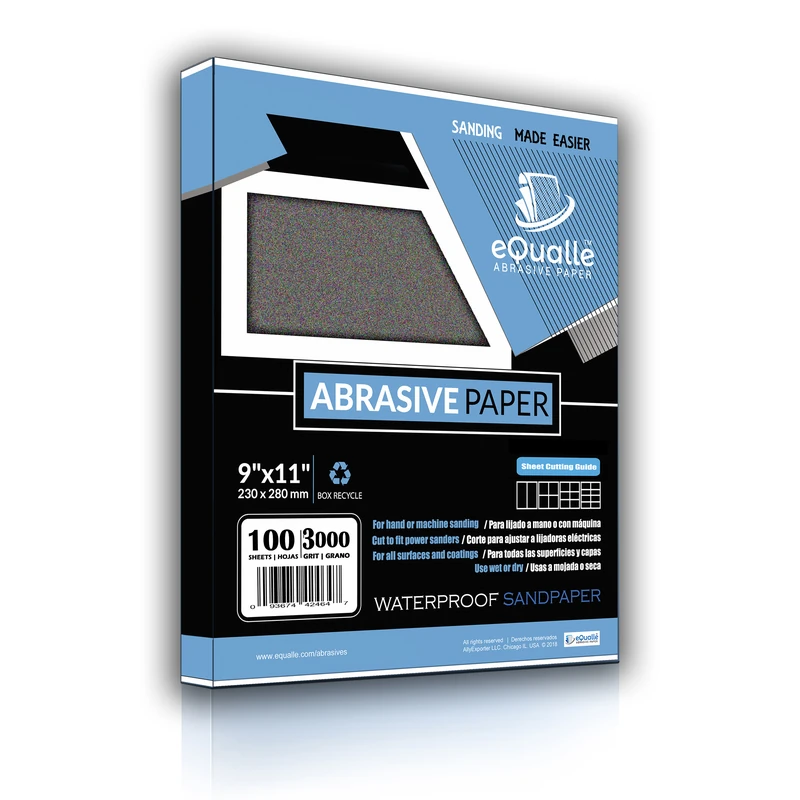
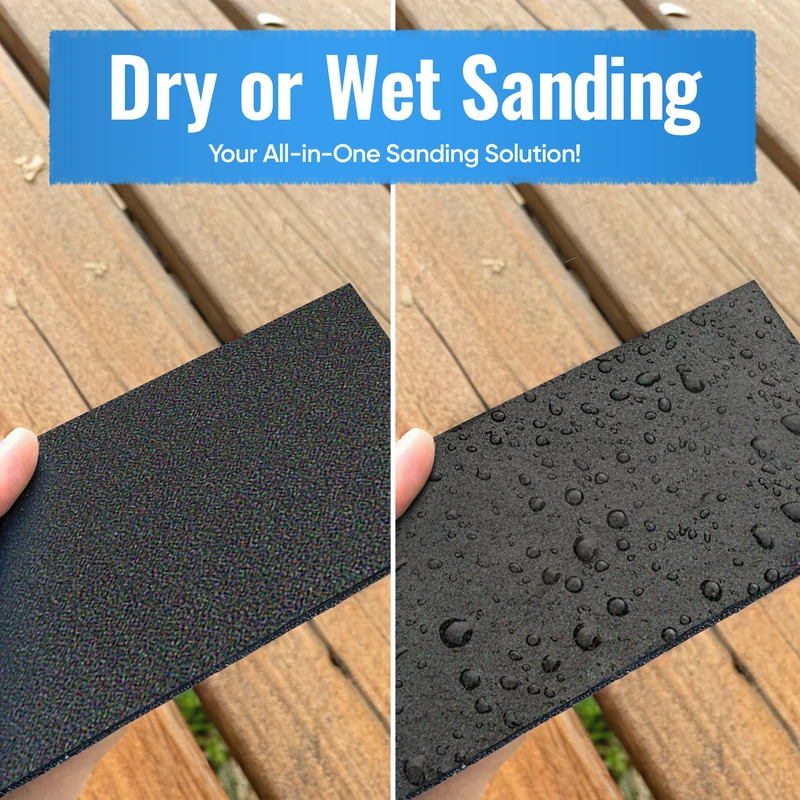
150 Grit Sandpaper Sheets (25-pack) — 9x11 in Silicon Carbide Abrasive for Wet or Dry Use — Balanced medium grit for surface preparation and between-coat sanding. Smooths minor imperfections in wood, paint, or primer. Works equally well for wet or dry applications in both DIY and professional projects. (Professional Grade).
Frequently Asked Questions (FAQ)
Q: How often should I stop to clean slurry when sanding glass?
A: Every 20–30 seconds or 6–10 strokes. Squeegee, rinse the pad, and blot-dry before inspecting in raking light. Frequent cleaning is how you see the true surface.
Q: What grit should I start with for scratch removal?
A: Start one step coarser than the deepest visible scratch. For light wear, 400 is common; for deeper dings, 220 may be needed. Always confirm with a clean, dry inspection before advancing.
Q: Do I need cerium oxide to finish, or can I stop at 3000 grit?
A: For edges and utilitarian parts, 1500–3000 can be acceptable. For optical clarity or a “factory” shine, a thin cerium oxide slurry on felt or soft foam at low speed delivers the best finish—clean often.
Q: Why does the glass look perfect when wet but cloudy when dry?
A: The wet slurry fills and optically blends micro-scratches, masking defects. Once dry, the true texture reveals itself. Clean the slurry to inspect, then refine until the dry haze is even at each grit.
Q: Can I use a random-orbit sander for glass sanding?
A: Yes, on low speed with a firm foam interface pad and wet operation. Keep passes light, manage slurry, and clean the disc often. Always finish with hand control near edges to avoid rounding or digging.