
Boat Sanding and Polishing Oxidized Gelcoat
It starts with a quiet morning at the marina. Your hull used to turn heads—pure reflection, crisp lines, the kind of shine you could navigate by. Now, sun and salt have drawn a chalky film over it, turning the surface flat and tired. You run your hand along the gelcoat and it leaves a white trace on your fingertips. It’s tempting to jump straight to a heavy polish, but you know better: true clarity begins with control. Real restoration starts with boat sanding—purposeful, measured, and patient.
There’s a calm satisfaction in doing it right. Masking off rub rails and vents, you lay out sheets of sandpaper and a soft backer pad like a surgeon. Fresh water in a spray bottle, a clean bucket with a dash of soap, a couple of microfiber towels that won’t betray you with lint. You choose a small test spot, press the paper lightly, and begin making uniform passes. As the slurry builds, the surface turns uniformly dull—oddly reassuring, because it means you’re flattening the damaged top layer. Each pass is a promise you’ll make good on later with compound and polish.
You’ve watched enough hurried restorations to know where they end: swirls in the sun and uneven shine that fades too soon. This time, you want true, deep gloss that lasts—no shortcuts, no guesswork. After sanding, you’ll compound to clear the fog, polish to level the last traces, and protect the result so it holds through a hard season. The process is simple in concept but exacting in practice. Follow the steps, respect the material, and the gelcoat will reward you with a renewed mirror finish that’s sturdier than it looks.
Quick Summary: Level the oxidized gelcoat with controlled wet sanding, refine with a suitable compound and pad, finish-polish for clarity, then seal for durable gloss.
Know your gelcoat and oxidation
Gelcoat is tough yet thin, and understanding its limits sets the tone for every decision you make. Most production boats have gelcoat in the range of about 0.3–0.6 mm. That sounds like a lot until you realize oxidation, scratches, and UV chalking are often contained in just the top fraction. Your job is to safely remove that damaged skin without chasing perfection into an unnecessary respray.
Start with assessment. Rinse thoroughly, then use a mild boat soap to remove grease and salt. Under bright, raking light (early morning or late afternoon sun is ideal), inspect high-load zones: bow shoulders, topsides near the waterline, and aft quarters. Look for these clues:
- Light oxidation: slight dullness, minor swirls. Water darkens the surface briefly.
- Moderate oxidation: chalky feel, little reflectivity, visible scuffs.
- Severe oxidation: deep chalking, pitting, and possible yellowing—often requires more aggressive prep and multiple sanding stages.
Color matters, too. White or light gelcoats are more forgiving visually, but can mask uneven sanding. Dark gelcoats telegraph every mismatch in grit progression, so consistency is critical. Use a test spot (about 1 ft²) in an inconspicuous area. If a quick pass with 1500-grit wet paper doesn’t create a uniform matte that later clears with a light compound, you may need to start coarser—carefully.
Edges, corners, molded features, and raised lettering deserve extra caution; gelcoat is thinnest there. Consider masking edges with a single layer of tape during initial sanding and compounding to avoid cut-through. While a true mil-thickness gauge for gelcoat is specialized gear, behavioral cues—like color change in slurry or a sudden “grabby” feel—tell you when to pause and reassess. Respect these signals; they are how your gelcoat speaks back.
Smart boat sanding: grits and control
Wet sanding creates a flat, uniform surface by shaving down the oxidized layer rather than smearing it with abrasives. The right grit progression is the backbone of a clean finish. Work small areas, stay consistent with stroke patterns, and always confirm your plan with a test patch before committing to the entire hull.
Recommended starting points:
- Light oxidation or post-compound refining: 1500 → 2000 → 3000
- Moderate oxidation, light scratches: 1000/1200 → 1500 → 2000
- Heavier oxidation, shallow etching: 800/1000 → 1500 → 2000 (use 800 only when testing confirms it’s needed)
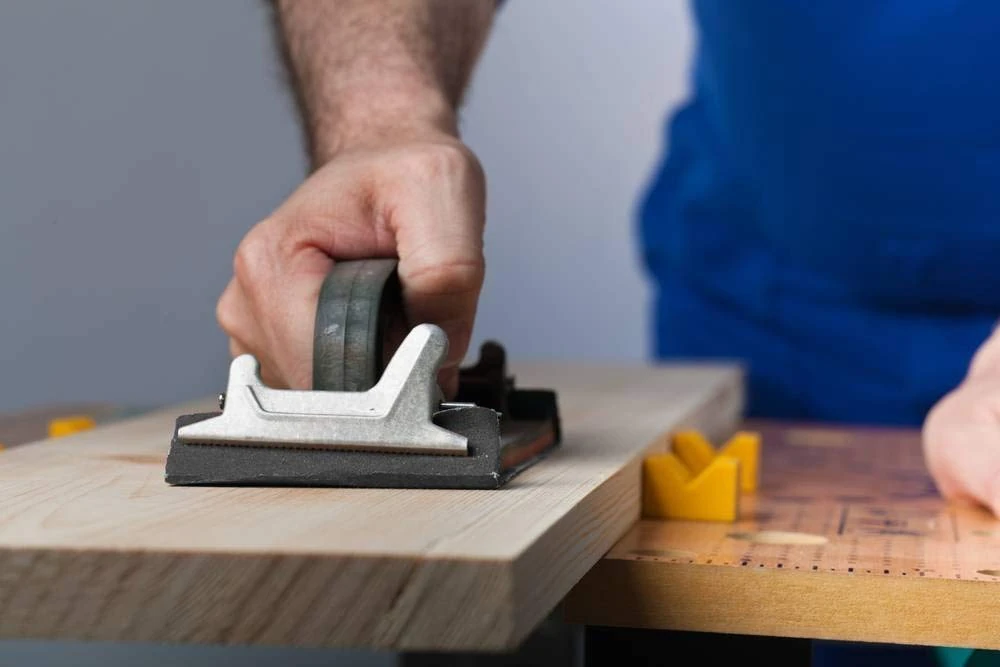
Use a soft or semi-rigid foam backing pad to avoid finger ridges; never sand with bare fingertips. Keep the surface wet with clean water—a drop of pH-neutral soap in the bucket reduces friction and helps slurry evacuation. Employ crosshatch strokes (horizontal then vertical) using light, even pressure. Wipe clean and check often; a uniform, matte sheen indicates the previous defects are leveled. If you still see shiny low spots, continue at the same grit until the entire area is consistent.
Mind the details:
- Corners and edges can burn through quickly. Sand up to, but not over, sharp edges; finish those by hand with very light pressure and a finer grit.
- Avoid dry spots and heat buildup—both increase the risk of scouring or uneven removal.
- When the slurry darkens or loads up, rinse and refresh paper. Clogged paper scratches.
Actionable tips:
- Mark boundaries: Lightly pencil a grid on the surface. Erased pencil lines confirm even coverage without over-sanding.
- Track passes: Two to three slow passes per direction per grit is a good baseline; adjust only if defects persist.
- Lube smart: Mix 1–2 mL of mild dish soap per liter of water. Too much soap reduces cut; too little increases drag.
- Pad discipline: Change papers early. If the sheet loses bite or feels “skatey,” replace it to maintain consistency.
Finish your sanding stage by stepping to 2000 or 3000 grit. This sets you up for faster compounding, less heat, and less risk of holograms—especially on darker gelcoats.
Compounding that restores clarity
After sanding, the surface is intentionally dull but flat. Compounding removes those fine sanding marks and begins restoring optical clarity. Whether you choose a rotary buffer or a dual-action (DA) polisher depends on experience and the severity of defects, but both can deliver excellent results when paired with the right pads and compounds.
For most gelcoats, a medium-cut compound on a wool or microfiber cutting pad is a reliable first step after 1200–1500 grit sanding. If you refined to 2000–3000, you may jump straight to a lighter-cut compound on a firm foam pad. Test a 2 ft × 2 ft section: apply a modest bead of compound, spread at low speed to avoid sling, then work the area at your target speed. Typical ranges: rotary 1200–1600 RPM; DA speed 4–5 (6–8 mm or 15 mm throw). Start with moderate pressure to engage the abrasive, then reduce pressure and slow your arm speed to allow the compound to finish.
Key practices:
- Keep pads clean. Use a spur (for wool) or compressed air/brush (for microfiber and foam) between sections. A clean pad cuts faster and runs cooler.
- Control heat. Gelcoat softens with heat; pause and feel the panel. If it’s hot to the touch, stop and let it cool.
- Inspect honestly. Wipe residue with a 10–15% isopropyl alcohol solution to remove fillers and reveal the true surface. If faint haze remains, one more pass at lighter pressure usually clears it.
Avoid chasing random deep scratches that survive compounding; spot-correct them with a localized 2000–3000 grit wet sand, then re-compound that area. If you’re seeing unpredictable swirl marks, your pad may be matted or your compound has dried—refresh product, clean the pad, and slow your movement.
According to a article
When you can stand at an angle and see consistent clarity across your test area, you’re ready to scale up. Work systematically bow to stern, one panel at a time, overlapping edges so the finish blends seamlessly.
Polishing for deep, distortion-free gloss
Polishing refines the micro-marring left by compounding and elevates the finish from “clear” to “crystal.” This stage uses a fine finishing polish and a soft foam pad (e.g., finishing or ultra-fine) on a DA polisher or a rotary at lower speed with delicate touch. The goal is not removal of bulk material but alignment of micro-scratches so light reflects evenly.
Set up clean. Switch to a new or thoroughly cleaned pad to prevent cut contamination. Prime the pad with a small amount of polish, dab around your working area, and spread at low speed. Increase to your working speed (DA 3–4, rotary around 900–1200 RPM) and slow your passes, overlapping by 50%. Keep the pad flat to minimize holograms. Less pressure is more here; let the abrasive and pad do the work.
Inspect under varied lighting. Shop lights can mask faint haze that the sun reveals. A handheld LED with raking angles is helpful. If you see faint “DA haze” or holograms, try:
- One more set with slightly less pressure and a touch more polish.
- A switch from microfiber to foam finishing pad.
- A final jeweling pass at the lowest speed with minimal residue.
H3: Dial in your finish
- If the surface loads up or feels grabby, add a tiny spritz of distilled water to re-wet diminishing abrasives—don’t overdo it.
- On dark gelcoat, finish with very slow arm speed and near-zero pressure for a uniform, liquid look.
- For isolated micro-defects that reappear, spot sand with 3000 grit, re-compound that spot briefly, then re-polish.
When your reflection appears crisp and undistorted, resist the urge to add more polish passes. Overworking can reintroduce haze. Wipe the surface clean with a soft, clean microfiber and prepare to lock in your work.
Seal and maintain the new surface
A proper sealant or coating protects your polished gelcoat from UV, salt, and grime, and it keeps maintenance gentle. Three broad options cover most needs: traditional waxes, synthetic sealants, and ceramic-style coatings. Each has trade-offs in durability, gloss character, and upkeep.
- Carnauba wax: Warm gloss, easy application, shortest durability (weeks to a few months in marine sun). Great for show-ready shine or frequent reapplication habits.
- Synthetic sealants: Slick, bright finish, typically 4–6 months of protection with good UV resistance. Many are layerable after a 12–24 hour cure.
- Ceramic/SiO2 coatings: Longest protection (often a full season or more), higher chemical resistance, and strong UV defense. Application demands clean, controlled conditions and careful leveling to avoid high spots. Some products require prep wipes and specific cure windows; follow the label precisely.
Whichever you choose, apply to cool panels in the shade. Thin, even coats beat thick ones every time. Respect cure times before exposing the hull to dew, rain, or splash. Avoid stacking incompatible products; if layering, keep chemistry consistent (e.g., sealant over sealant). After sealing, adopt a maintenance plan that sustains the finish rather than trying to fix it reactively.
Maintenance tips:
- Rinse after every salty run. Use soft water where possible, and dry with a plush microfiber to prevent spotting.
- Use pH-neutral boat soaps and soft mitts. Avoid abrasive cleaners that quietly scour your protection layer.
- Top up protection. Spray sealants or quick detailers designed for your base protection make monthly refreshes fast and effective.
- Store smart. A breathable cover or shaded berth limits UV and bird fallout, protecting your hard-earned shine.
When the finish finally starts to lose slickness, reapply your chosen protection. If oxidation is absent and the gloss is intact, you can skip compounding and simply cleanse, polish lightly if needed, and re-seal. Preservation—not repeated heavy correction—extends gelcoat life.
How to Remove — Video Guide
There’s a helpful demonstration that walks through removing gelcoat scratches by wet sanding and then polishing to restore a like-new look. You’ll see the practical order of operations—selecting grits, controlling pressure, and transitioning from sanding to compound to polish—so you can mirror the process on your own hull.
Video source: How to Remove Scratches From Gel Coat by Wet Sanding and Polishing
1000 Grit Sandpaper Sheets (10-pack) — 9x11 in Silicon Carbide Abrasive for Wet or Dry Use — Gentle polishing grit that removes swirl marks and fine scratches on automotive or resin finishes. (Professional Grade).
Frequently Asked Questions (FAQ)
Q: What grit should I start with for oxidized gelcoat?
A: Test in a small area. For light oxidation, start at 1500–2000. For moderate, 1000–1500. Reserve 800 for severe cases only, and always finish to 2000–3000 before compounding.
Q: Can I skip sanding and just polish?
A: If oxidation is very light, a compound may restore gloss. But when the surface is chalky or scratched, wet sanding levels the damage uniformly and prevents chasing defects with aggressive polishing.
Q: Rotary or dual-action polisher—what’s better on gelcoat?
A: A rotary corrects faster on heavy defects but requires more control to avoid holograms and heat. A DA is more forgiving and ideal for finishing. Many pros compound with rotary or microfiber on DA, then finish-polish with foam on DA.
Q: How do I avoid sanding through gelcoat on edges?
A: Mask sharp edges, reduce pressure, and sand up to edges—not over them—with a finer grit. Finish edges by hand with light strokes. Keep strokes flat with a foam backer elsewhere.
Q: How often should I re-wax or re-seal after polishing?
A: In strong sun and salt, wax every 1–3 months, synthetic sealants every 4–6 months, and ceramic-style coatings can last a season or more. Rinse after outings and use compatible boosters to extend protection.