
Open Coat Sandpaper With PSA Films: Better Adhesion
Saturday morning in the shop starts with optimism—the kind that smells like fresh coffee and freshly milled pine. I’ve got a cabinet door that needs a flawless finish, a stack of PSA film discs, and a plan. The random orbital hums to life, and within a couple of passes I can tell today’s going to be smooth sailing. Then, the telltale hiss: edge lift. The disc starts peeling at the rim, my pressure goes light, and suddenly I’m babysitting a bond instead of refining a surface. If you’ve ever watched a sanding disc eject itself mid-stroke, you know the sting—time lost, surface marred, rhythm broken. That’s when adhesion, not grit, becomes the job to solve. And it’s why pairing PSA films properly—with the right backing pad, clean substrate, and the right abrasive, such as open coat sandpaper for soft, clog-prone materials—turns a temperamental setup into a dependable workhorse.
I’ve been in enough garages, basements, and pro shops to see the patterns. Sometimes it’s the pad: dusty, oil-smudged, or polished slick from years of use. Sometimes it’s the room: cold morning, damp air, or heat building from aggressive passes. And sometimes it’s the disc: a film that wants steady pressure and clean contact but gets slapped on with a thumbprint of sweat and a rim full of dust. The fix isn’t exotic—it’s procedural. If you control the prep, conditions, and application sequence, your PSA film stays put, your surface stays flat, and your sanding stays predictable. That’s the difference between a disc that drifts and a disc that delivers.
Over the next sections, I’ll walk you through how PSA films actually stick, how to prep a pad so the adhesive can do its job, how open coat abrasives influence heat and loading, and the shop conditions that quietly make or break your bond. We’ll finish with a step-by-step you can tape to the wall near your sander. Let’s get that disc to stick—and stay stuck.
Quick Summary: Reliable PSA film adhesion comes from clean, high-energy surfaces, correct pressure and dwell, controlled temperature and humidity, and smart pairing with open coat abrasives for cooler, cleaner cuts.
Why PSA films stick—or don’t
Pressure sensitive adhesives (PSAs) are deceptively simple: press to bond, peel to remove. Under the hood, they’re viscoelastic polymers that wet out a surface when pressed, then resist shear and peel once set. If a PSA disc lifts mid-job, the culprit is almost always a failure in one of three areas: surface condition, application method, or environment.
Adhesive chemistry matters. Rubber-based PSAs grab fast and bond well at lower temperatures but can soften under heat. Acrylic PSAs build strength more slowly, tolerate heat better, and resist plasticizers and oils. Many film-backed sanding discs use tough acrylic systems because random orbital sanding generates heat and shear at the rim—exactly where you need a stable adhesive.
The physics are practical. PSAs want intimate contact: no dust, no oils, no high spots that reduce contact area. Good pressure (think even palm pressure or a small J-roller) lets the adhesive flow into microtexture on the pad. A few minutes of dwell time before heavy use allows bond build—especially in cooler shops. Too little pressure, or slapping it on off-center, and you’ve got low contact area and a built-in peel tab waiting to fail.
Heat is both friend and enemy. Slight warmth (room temp, 68–75°F/20–24°C) improves flow. Excess heat from aggressive sanding or worn pads creates edge lift. Humidity complicates things too; high RH can condense on cold pads and kill surface energy, while static in very dry air can attract dust right as you apply.
If your PSA disc spins off or creeps, ask three questions: Was the pad truly clean and flat? Did I apply firm, even pressure and give the adhesive a brief set time? Is the room too cold, too damp, or too dirty for a high-energy bond? Fix those, and adhesion improves immediately.
Adhesive chemistries, briefly
- Rubber-based: fast tack, lower heat resistance, good for cool shops.
- Acrylic: slower build, higher heat/chemical resistance, common on film discs.
Forces that matter
- Shear (sideways force): dominated by cutting load and speed.
- Peel (edge force): driven by heat, pad wear, and misalignment.
Pairing PSA films with open coat sandpaper
Open coat sandpaper has fewer abrasive grains per area, leaving spacing that reduces loading on softwoods, resins, and paints. When you combine open coat with a film backing and a PSA, you get a cooler, freer-cutting surface that’s less likely to gum up—and less gumming means less friction heat at the disc edge, which directly protects your adhesive bond.
Film backings (often polyester) stay flatter than paper, so they maintain consistent contact and resist tearing. That’s great for adhesion because a flat backing keeps peel forces low at the rim. The open coat helps on the dust side: more spacing allows swarf to escape rather than smearing, which prevents the “hot rim” effect where glazed edges lift the disc. On no-hole discs, be extra mindful of dust extraction; you’ll rely on the open coat spacing and pad vents for evacuation. A dust-laden bond line is a weak bond line.
Grit selection also influences adhesion through heat. Coarser open coat grits (80–150) remove stock quickly with less rubbing, while finer grits (220 and up) generate more friction. If you’re finishing soft wood or paint with finer grits, keep your passes light and your pad fresh to avoid heat buildup at the adhesive.
Interface pads add another layer. A thin foam interface smooths contours but can increase heat if worn or overloaded. Replace interfaces regularly and keep their surfaces pristine; a dirty interface is just as bad as a dirty pad for PSA bonds.
According to a article.
Bottom line: if your workpiece tends to clog abrasives—pine, fir, catalyzed finishes—open coat film discs with a stable PSA backing are your friend. Use clean pads, moderate speed, and steady pressure, and your disc will cut cooler and stay put longer.
Quick pairing pointers
- Soft, gummy materials: open coat, film-backed PSA.
- Hard metals: closed coat, higher heat; ensure acrylic PSA and watch edge heat.
- No-hole discs: prioritize pad cleanliness; vacuum more often to keep the rim cool.
Surface prep that actually lasts
Most adhesion failures start before the liner comes off. Treat your sander pad like a gluing surface and you’ll see bonds that last through the whole disc.
Start by removing the old disc slowly and low to the surface to avoid lifting foam. If residue remains, use isopropyl alcohol (70–90%) on a lint-free cloth to clean the pad. Avoid oily solvents; they can soak into foam and permanently reduce surface energy. For stubborn adhesive, a small amount of citrus-based remover works—but wipe with alcohol afterward to remove any oily film. Once clean, let the pad dry fully.
Check pad flatness. Hardened glue ridges or abraded high spots reduce contact area. Lightly burnish the pad with a worn PSA disc (adhesive side protected) or a Scotch-Brite pad to level it—but don’t create dust you can’t remove. If your pad’s face is polished smooth from age, a gentle scuff can raise microtexture that improves wet-out. Replace cracked or glazed pads; no adhesive will save a dead pad.
Before applying a new disc, wash your hands or wear clean nitrile gloves. Finger oils imprint right onto the PSA and become future lift points. Peel back a quarter of the liner, align carefully with the pad edge, and roll it on like vinyl—no bubbles, no stretch. Lay the rest down gradually while pressing with your palm or a small J-roller from center to edge. Give it a few minutes at room temperature before heavy load.
Actionable tips:
- Wipe pads with alcohol, not mineral spirits; spirits can leave a low-energy film.
- Use a clean, dedicated rag for pads only—shop rags often carry oils.
- Keep discs in their liners until application; dusted PSA is weakened PSA.
- If the shop is cold, warm the pad and disc to room temp before bonding.
- Label a small roller “adhesive only” and keep it clean for consistent pressure.
Shop conditions you can control
Great adhesion thrives in predictable conditions. In the real world, your garage swings from chilly mornings to humid afternoons, and your compressor breathes water if you let it. You can still stack the deck.
Temperature: Most PSAs like 65–75°F (18–24°C) for application. Below 60°F (16°C), tack and flow drop; above 85°F (29°C), you risk softening and early edge lift under load. If you must work cold, bring the discs and sander inside the night before, or use a small space heater to warm your bench area—never the disc directly.
Humidity: Aim for 40–60% RH when bonding. High humidity can condense micro-moisture on a cool pad. If the pad feels cool to the touch in a damp room, let it acclimate or give a light pass with warm, dry air from a heat gun on low, at a safe distance. In very dry conditions, static can attract dust right at application, so ground your sander or mist the air lightly away from the bonding area.
Clean air: Dust is the silent bond killer. Don’t peel and stick next to a running table saw. Vacuum the pad, wipe it down, then step aside to a cleaner bench for application. Compressed air is great for cleaning, but only if your lines are dry; water and oil from the compressor will sabotage the pad. Use a filter/regulator with a desiccant or coalescing filter.
Process pacing: Give the disc a couple minutes to build bond before you lean in. Start your passes light to avoid sudden peel forces. If you’re sanding gummy stock, clean the disc face frequently with a rubber stick to prevent heat bloom at the rim. Keep an eye on pad wear—old pads flex, build heat, and create peel leverage at the edges.
Finally, tool speed: Faster orbit plus high downforce equals heat. Match your machine’s speed to the grit and material, and let the abrasive cut instead of pushing it to burnish.
Application, removal, and storage steps
Here’s a bench-ready sequence you can follow for consistent adhesion performance with PSA film-backed discs.
Application
- Clean and inspect the pad. Vacuum, then wipe with isopropyl alcohol on a lint-free cloth. Let it dry.
- Warm to room temperature. Keep pad and disc between 65–75°F (18–24°C).
- Align and apply. Peel 25% of the liner, align the edge, and roll on gradually while pressing from center outward. Avoid stretching the disc.
- Press and dwell. Use a clean roller or firm palm pressure for 10–15 seconds across the face, then let it sit 2–5 minutes before heavy load.
- Start smart. Begin with light passes to allow additional bond build under real but modest shear.
Removal
- Slow, low peel. Warm the disc slightly with friction or low heat, then peel back on itself at a low angle. High-angle rips can delaminate foam pads.
- Tackle residue properly. Use citrus remover sparingly for stubborn glue, then follow with isopropyl alcohol to remove oily films. Dry thoroughly.
- Inspect the pad. If the face is glazed or torn, replace it. Don’t fight a dead pad.
Storage
- Keep liners on. Store unused discs with liners in place, in resealable bags or original boxes.
- Control climate. Keep abrasives in a dry cabinet around 60–70°F (16–21°C), away from direct sun and heaters.
- First in, first out. Rotate stock. Old PSAs can lose tack or pick up contaminants.
- Separate by grit and backing. Paper-backed and film-backed discs behave differently; don’t crush film discs under heavy stacks.
- Keep a clean zone. Dedicate a clean drawer or bin for PSA discs; sawdust and PSA don’t mix.
A note on interfaces and specialty pads: If you’re using a soft foam interface for contours, treat its face as a pad—clean it the same way, and replace it often. The interface is part of your adhesive system; a dirty interface prints failure right through to the disc.
Brief Description of — Video Guide
There’s a helpful YouTube segment where “Woody” breaks down sandpaper types, backings, and coats in plain shop language. He covers how grit, backing materials, and coat density change the way abrasives cut and load, which sets the stage for choosing the right disc for the job.
Video source: Brief Description of Sandpaper Told By Woody
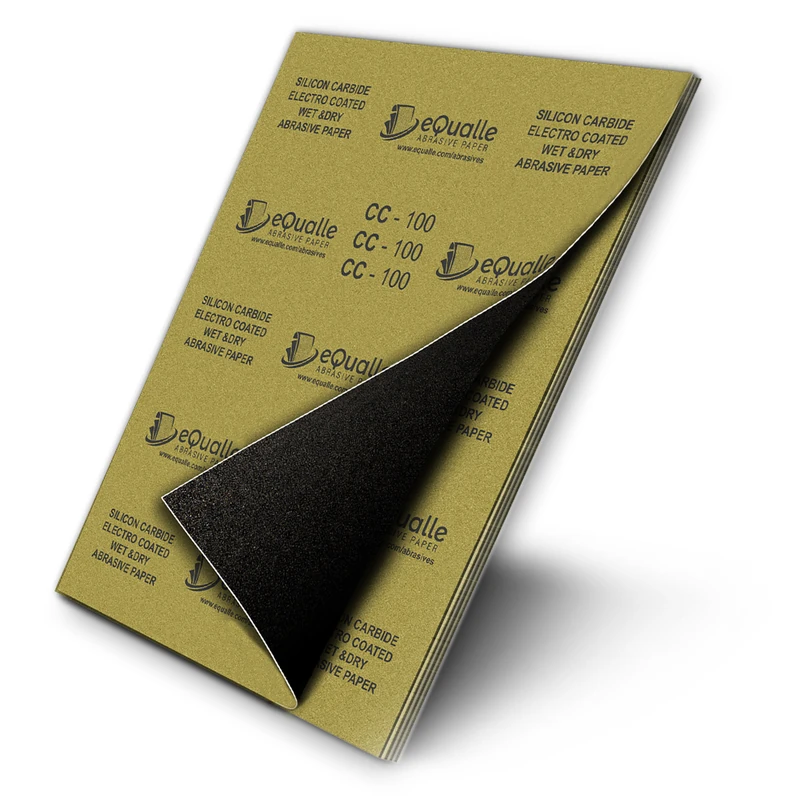
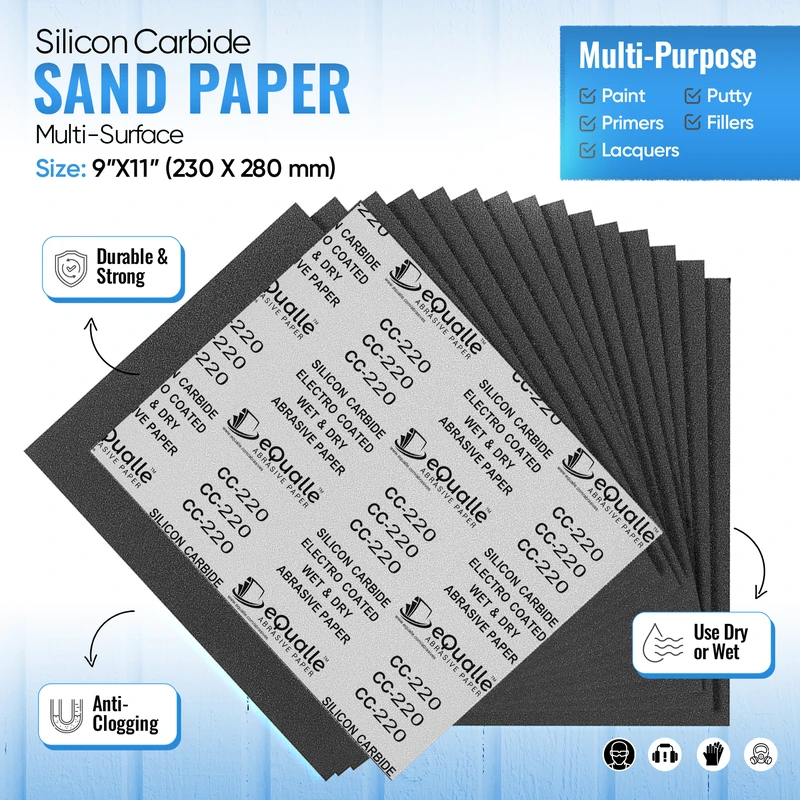
150 Grit Sandpaper Sheets (100-pack) — 9x11 in Silicon Carbide Abrasive for Wet or Dry Use — Balanced medium grit for surface preparation and between-coat sanding. Smooths minor imperfections in wood, paint, or primer. Works equally well for wet or dry applications in both DIY and professional projects. (Professional Grade).
Frequently Asked Questions (FAQ)
Q: Why do my PSA discs keep lifting at the edge during sanding?
A: The most common causes are a dirty or worn pad, cold application temperatures, and heat buildup from clogged abrasives. Clean the pad with isopropyl alcohol, apply firm even pressure, let the bond set a few minutes, and switch to a cooler-cutting abrasive (such as an open coat for soft materials). Also check pad wear—old pads increase edge heat and peel forces.
Q: Can I reuse a PSA disc after removing it from the pad?
A: It’s risky. Once the adhesive picks up dust or fibers, bond strength drops sharply. If you must, keep the liner and reapply only if the adhesive face remains clean. For reliable results, treat PSA discs as single-use once removed; reusing often leads to edge lift and inconsistent sanding.
Q: What’s the best solvent to clean my sander pad before applying a PSA disc?
A: Use isopropyl alcohol (70–90%) on a lint-free cloth. Avoid mineral spirits or lubricants—they can leave residues that lower surface energy and weaken adhesion. For stubborn residue, a small amount of citrus-based remover can help, followed by an alcohol wipe to remove any oily film.
Q: Do I need an interface pad with film-backed PSA discs?
A: Use an interface for contours and delicate finishes; skip it for flat work where maximum flatness and cooling matter. If you use one, keep it clean and replace it regularly, because a dirty or worn interface raises heat and reduces adhesive contact, leading to premature edge lift.
Q: How long should I wait after applying a PSA disc before sanding aggressively?
A: Give it 2–5 minutes at room temperature to build initial bond, then start with light passes. Full adhesive strength can continue to build over the first hour, especially with acrylic PSAs in cooler shops. Starting gently reduces peel forces while the bond sets.