
Best Sandpaper Brand for Vacuum Hole Alignment
Late on a Saturday, you finally commit to smoothing that tabletop you’ve been promising yourself you’d refinish. The grain rises under your fingertips; you set the sander on its edge and align a fresh disc. The shop vac hums, the sander spins up—and within seconds, a pale cloud lifts like fog at sunrise. Dust settles on your sleeves, then on the project itself. You pause, puzzled. The vac is on. The disc is new. But when you pop the pad off the workpiece, you notice what your lungs already knew: the holes in the paper don’t match the holes in the pad. Most of the dust extraction ports are blocked. Air is routed the wrong way, and instead of efficient capture, you’re sanding in a haze.
This moment is where hole alignment becomes as important as grit choices. Whether you favor a premium or budget line, the best sandpaper brand is the one that not only cuts predictably and resists clogging—but also mates seamlessly with your sander’s vacuum system. Brand ecosystems differ, pad standards vary, and even two five-inch discs from different labels can have completely different hole patterns. Woodworkers, auto refinishers, and DIYers all face the same tradeoff: buy into one system for plug‑and‑play simplicity, or mix and match across brands to optimize performance and cost.
The good news? You don’t need to gamble. With a clear understanding of common hole layouts, multi‑hole and mesh options, and a few field-tested alignment habits, you can keep dust out of your lungs, extend disc life, and get a cleaner, faster finish. In this guide, I’ll show you how to decode pad patterns by brand family, when multi‑hole discs truly help, and how to choose the best sandpaper brand for your exact tool—so your setup works with you, not against you.
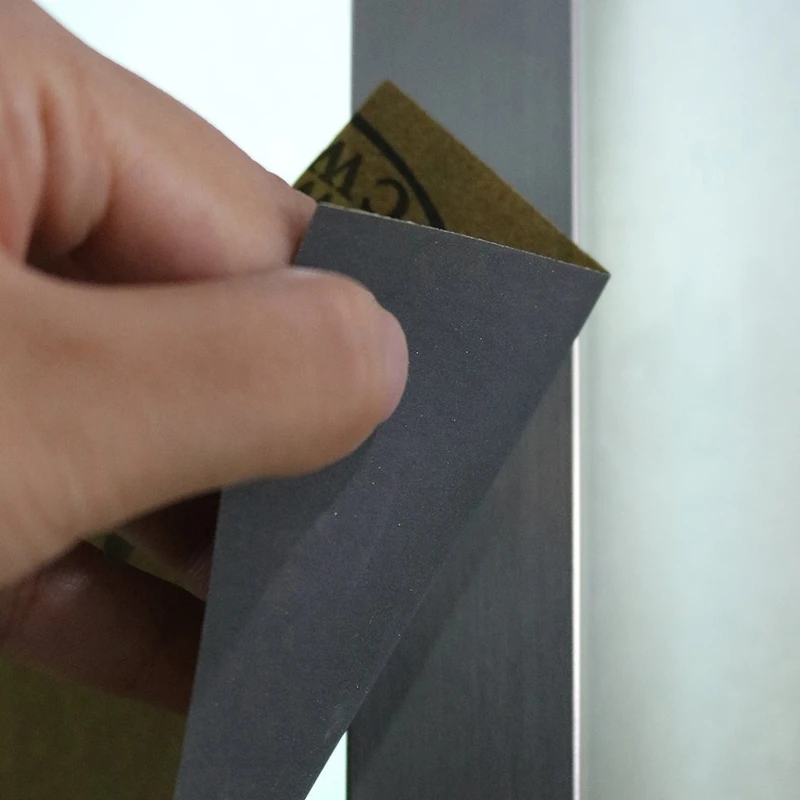
Quick Summary: Match disc hole patterns to your pad (or use true multi‑hole/mesh discs), keep the airflow path open, and choose the best sandpaper brand for your sander and task.
Why hole alignment matters
A random orbital sander with dust extraction is an airflow machine as much as a cutting tool. The motor agitating the abrasive creates debris; the vacuum draws air through the pad and out the dust ports, carrying that debris away. When disc and pad holes align, air flows evenly from the work surface into the sander. When they don’t, several problems appear at once:
- Higher airborne dust. Blocked holes starve the vac of airflow, so fine particles escape. That’s a comfort issue, but also a finish problem—settling dust can mar wet finishes and clog abrasives mid-pass.
- Faster loading and glazing. Without proper air movement, heat climbs and resin binders soften, causing discs to load. A clogged abrasive cuts poorly, burns, and leaves swirl marks.
- Uneven wear. Where holes align, suction increases locally; where they don’t, it’s nearly zero. That mismatch can accelerate wear in rings or crescents, reducing usable life.
- Poor scratch evacuation. Efficient dust removal pulls swarf from the scratch path, allowing new grain to cut instead of riding on debris. Misalignment means you’re recutting the same waste, increasing scratch depth and randomness.
Most five-inch sanders use either 5‑hole (often a circle) or 8‑hole (common in U.S. general-purpose sanders) pads. Six‑inch tools often add center holes or complex 9, 15, and even 17‑hole patterns, especially in European-dominant ecosystems. Then there are mesh and multi‑hole designs with dozens of smaller perforations. The takeaway: a disc that looks “close enough” might still throttle your airflow by 30–50%.
Think about alignment as respecting the air path your tool designer intended. Get that right, and the benefits compound—cleaner shop, better health, cooler discs, longer life, and a more consistent surface ready for stain, paint, or clear coat.
How to pick the best sandpaper brand by pad
If you start with your sander’s pad, choosing the best sandpaper brand becomes practical rather than theoretical. First, confirm your pad size (5 in/125 mm or 6 in/150 mm) and the exact hole pattern. Count holes and note their arrangement: outer ring only, outer ring plus center, or a more complex layout with multiple concentric rings.
- If your pad is a common 8‑hole (for 5 in) or 6+1/8+1/15‑hole (for 6 in) pattern: You can generally use discs from many mainstream brands that publish compatible layouts. Look for packaging that lists “8‑hole” or the exact pattern. Matching like‑to‑like is the simplest way to maintain airflow without extra steps.
- If your pad is European‑style with multi‑ring patterns (e.g., Festool‑style “Multi‑Jetstream” variants): Consider discs explicitly labeled as multi‑hole or “Jetstream-compatible,” or choose true mesh discs that are agnostic to hole location. Several top-tier brands now ship multi‑hole discs that pull air uniformly regardless of rotation.
- If your pad is proprietary or on a specialized tool (some compact, detail, or drywall sanders): Start within the same ecosystem. Brands often design paper and pads together so that hole placement, backing stiffness, and coating chemistry work as a system for dust capture and cut rate.
From a performance standpoint, evaluate brands on four axes: cut rate (fresh and sustained), anti‑clogging behavior, backing durability, and vacuum friendliness. Lines like 3M’s precision‑shaped abrasive discs are known for fast cut and engineered multi‑hole patterns that “eliminate hole alignment” anxiety on typical pads. Mirka’s net abrasives (Abranet and its successors) offer full‑surface airflow and resist loading in resinous woods and paint. Festool’s Granat lines mate well with their pads for predictable extraction. Diablo, Norton, Bosch, Makita, and DeWalt all offer solid options in 5 and 6‑inch formats with clearly listed hole counts.
Use price per usable life, not price per disc, as your metric. A disc that lasts three times longer and keeps your vac efficient is often the most economical “best sandpaper brand” for your workflow.
Multi‑hole and mesh discs explained
Two design trends simplify hole alignment: multi‑hole discs and full‑mesh net abrasives.
Multi‑hole discs: These look like standard film or paper discs but with dozens of small holes scattered in concentric patterns. The idea is simple—no matter how you align the disc, enough perforations will overlap your pad’s intake ports to maintain consistent airflow. As a bonus, the distributed holes allow cooler sanding and reduce the tendency for dust rings. Premium offerings from brands like 3M, Bosch, and Norton leverage this approach; many specifically claim you don’t need to orient the disc to pad holes at all. On standard 8‑hole or 5‑hole pads, this can be a plug‑and‑play upgrade with fewer alignment steps.
Mesh/net abrasives: Unlike film or paper with cut holes, net abrasives are open-weave fabrics coated with abrasive. Air can move through the entire disc, effectively making the “hole layout” your entire surface. Mirka popularized this category with Abranet; other labels followed with mesh lines for wood, paint, and drywall. Mesh excels in dust‑prone tasks—softwoods, spackle, painted surfaces—because swarf has so many exit paths. Tradeoffs include the need for a backing pad protector (to avoid net fibers chewing up your hook‑and‑loop pad) and potentially different scratch patterns at very fine grits. Some users also notice slight differences in feel compared to solid‑back discs.
So which is right for you? If your pad is a known fixed pattern and you like the feel of film backings, multi‑hole discs often deliver the best of both worlds: standard disc behavior with worry‑free alignment. If you’re constantly battling loading or work across broad surfaces (cabinet doors, drywall seams), mesh can be transformative for dust control and visibility. Keep in mind that a softer interface pad may change how either disc type tracks on curves or edges—use it when contouring, remove it for dead-flat work to preserve crispness.
Pads, adapters, and vac connections
Perfect hole alignment won’t help if the rest of your airflow path is compromised. Think of your system as a chain: pad, disc, interface, shroud, hose, and vacuum. A leak or mismatch in any link reduces capture.
Backing pad hardness and condition: Hard pads transfer pressure uniformly on flat panels. Soft pads conform to curves but can trap dust if the foam breaks down. Inspect the hook‑and‑loop face—worn hooks reduce grip, allowing discs to flutter and break the airflow seal. Replace glazed or gouged pads; you’ll notice better extraction immediately.
Interface pads and protectors: An interface pad can change the feel and reduce swirl on contours, but it also adds another layer of holes to align. If you use one, match its pattern to both pad and disc, or use multi‑hole/mesh to minimize alignment concerns. For mesh discs, add a pad protector to spare your main pad’s hooks.
Hose sizing and anti‑static: A too‑small hose can choke airflow; too large can be unwieldy and reduce velocity at the ports. Many ROS tools work best with 27–36 mm hoses. Anti‑static hoses and grounded extractors reduce cling and keep dust moving, especially in dry shops.
Vacuum power and filtration: More power isn’t always better if it lifts the sander off the work or increases swirl. Use adjustable suction if available; dial it back until the sander tracks smoothly without skating. Fine dust filters or bags maintain consistent flow; clogged filters halve your effective capture.
Hand sanding blocks with extraction: Dustless blocks with perforated faces are excellent for primer leveling and edges—just remember they still rely on hole alignment with sheets or strips. According to a article, well-designed blocks match paper to face holes and can remove the overwhelming majority of sanding dust when paired with a vac.
Adapters are your friends. Many brands sell step‑down or bayonet‑to‑friction fit adapters so you can connect a shop vac to a pro‑grade sander. If you frequently switch between tools, consider a quick‑connect system and label hoses with their optimal suction settings. The goal is simply stated: keep air moving from the work surface, through aligned holes, into your vac, with minimal turbulence or leaks along the way.
Pro tips for clean, fast sanding
A few small habits multiply dust capture and surface quality:
Map your pad once: With a fine marker, draw a small alignment dot on the pad’s perimeter that corresponds to a distinctive hole in your disc pattern (e.g., the gap between two closer holes). Rotate each new disc to that dot. This 2‑second ritual gets you near‑perfect alignment on fixed‑hole setups.
Use multi‑hole as your “universal” option: If you run multiple sanders or lend tools, keep a stock of true multi‑hole discs. They bridge 5‑hole, 8‑hole, and multi‑ring pads well and reduce setup time without sacrificing airflow.
Check suction with a simple lift test: With the vac on and disc aligned, place the sander on a flat board and let go. A properly sealed setup should gently pull itself down without sticking hard or skating. If it either barely holds or tries to lift the board, adjust suction or re‑align.
Clean the pad face often: Every few disc changes, use compressed air or a soft brush to clear dust from pad holes and hooks. Caked ports reduce effective vacuum just like misaligned discs do.
Match pad hardness to task: Use a hard pad for veneered panels or when chasing a dead-flat paint surface; swap to soft or medium with an interface for profiles. The right pad reduces pressure spikes that overload specific holes and hamper dust flow.
Troubleshoot loading early: If a disc loads within minutes, ask: Is the finish fully cured? Is suction too low or too high? Are you pressing too hard? Are the holes aligned? Solving the root cause saves more discs than any brand swap.
When you evaluate “best,” consider not just the disc but whether your process supports it. The finest abrasive won’t reach its potential if air can’t move freely.
Best "Sandpaper" Brand? — Video Guide
Curious how brand ecosystems stack up in the real world? A helpful comparison video surveys popular lines from names like 3M (including Cubitron), Diablo, Mirka, Norton, Bosch, Makita, and DeWalt, alongside a few budget contenders. The host moves through different disc types—standard film, multi‑hole, and mesh—showing cut speed, clog resistance, and how hole layouts affect dust pickup on common pad patterns.
Video source: Best "Sandpaper" Brand? 3M Cubitron, Diablo, Mirka, Norton, Makita, DeWalt, Bosch Sand Paper
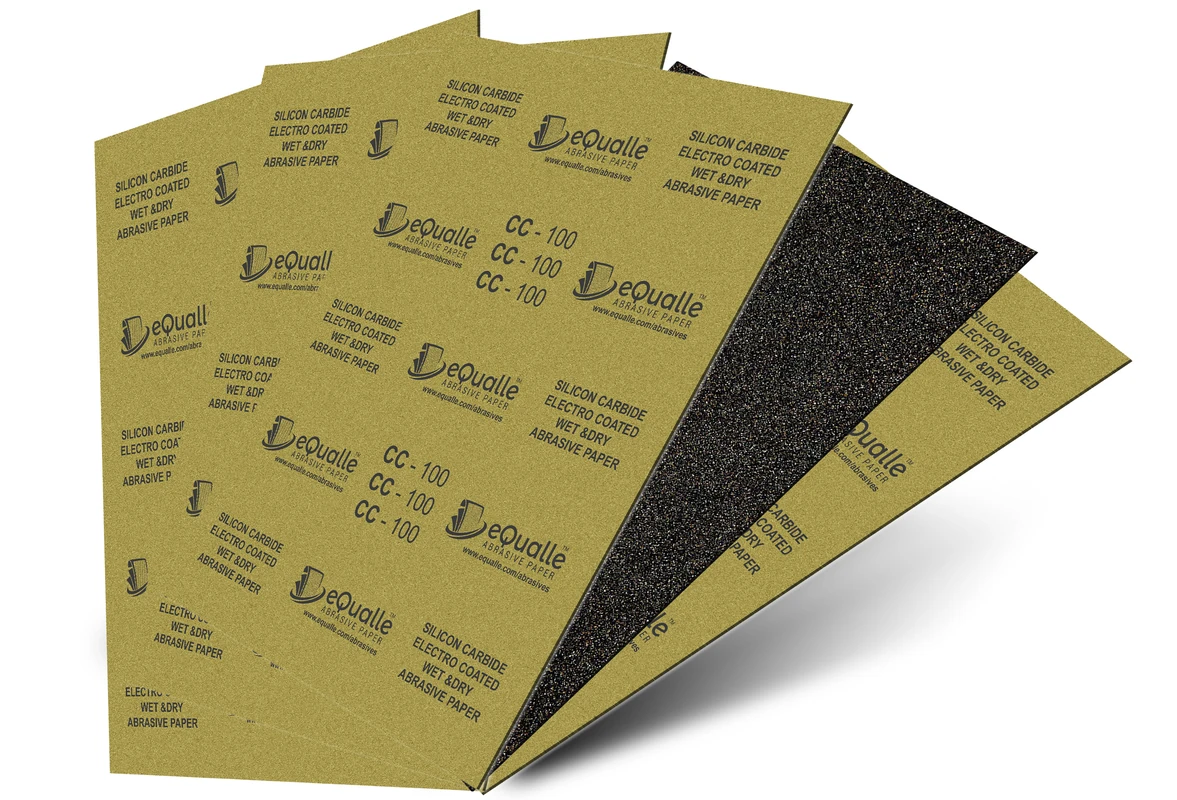
150 Grit Sandpaper Sheets (10-pack) — 9x11 in Silicon Carbide Abrasive for Wet or Dry Use — Versatile medium grit that transitions from shaping to smoothing. Works well between coats of finish or for preparing even surfaces prior to paint. (Professional Grade).
Frequently Asked Questions (FAQ)
Q: Are 5‑inch and 6‑inch discs interchangeable across brands if the hole counts match?
A: Often yes, but confirm both the size and the exact pattern. Two “8‑hole” discs can differ in spacing or include a center hole on some 6‑inch formats. If in doubt, use multi‑hole or mesh discs to ensure good airflow without perfect alignment.
Q: Do multi‑hole discs reduce suction because they have more openings?
A: No—properly designed multi‑hole discs maintain or improve capture by aligning enough perforations over your pad’s ports. Airflow depends on the full path: open pad holes, aligned disc openings, sealed pad face, and adequate vacuum, not just hole count.
Q: How do I fix poor dust extraction if my setup used to work well?
A: Check in order: clean or replace the vac filter/bag; clear pad holes; verify disc‑to‑pad alignment; inspect the hose for leaks; reduce or increase suction to stop pad “skating”; and replace worn pads that no longer seal. Small leaks or clogs make a big difference.
Q: What’s the best sandpaper brand for softwood that clogs easily?
A: Mesh/net abrasives from established brands excel on resinous woods because dust has more exit paths. Among solid‑back discs, choose lines marketed for “no‑load” or “anti‑clog” performance and consider multi‑hole patterns to keep air moving across the entire surface.