
Dustless Drywall Sanding: Pick the Right HEPA and Bag
It hits every DIYer the same way: you step back after a long evening of sanding joints, the hallway looks like a snow globe, and your shop vac sounds like it swallowed a chalkboard. I’ve been there—late nights prepping a nursery for paint, or speed-tuning a rental between tenants—only to find a fine, clingy film on every surface by morning. That was before I committed to dustless drywall sanding. The trick isn’t just having a vacuum on the end of a pole; it’s pairing the right HEPA filter with the right bag so your extractor actually captures those ultra-fine drywall fines without choking, leaking, or losing suction halfway through the job.
Drywall dust is sneaky. Most of it is gypsum, but the particle size often dips into the sub-5-micron range—small enough to float, infiltrate, and overwhelm cheap filters. When your filtration stages are mismatched—say, a “good enough” filter without a proper bag—your vac becomes a dust pump. The goal is simple: stop the fines in the bag first, then polish off the remainder at the HEPA filter. Do that, and your workspace—and lungs—stay clean, your vacuum breathes easily, and your finish sanding goes faster because you’re not working in your own haze.
I’ve tested systems in apartments, basements, and jobsite remodels. The builds that hold up always have three things dialed: an extractor with true HEPA performance, a multi-layer fleece bag sized for drywall fines, and a setup routine that keeps airflow strong without scouring the wall. Whether you’re a pro on a schedule or a weekend warrior trying not to blanket the living room, the right HEPA filter and bag transform dust collection from “nice idea” to “actually dustless.”
Quick Summary: Match a true HEPA-rated filter with a multi-layer fleece bag sized for drywall dust, tune your airflow, and you’ll get real dustless drywall sanding results without clogs or clouds.
Understand your dust and your vacuum
Drywall dust isn’t one thing. Joint compound dust clusters around 0.5–10 microns, with a decent portion small enough to hang in the air and bypass basic filters. Some compounds also contain crystalline silica—never assume the dust is harmless. Plan your extraction as if the fines are tricky and wear a respirator rated for fine particulates when you’re sanding in enclosed spaces.
The right vacuum (or dust extractor) has the muscle to move air through a narrow hose while maintaining capture at the pad. Pay attention to:
- CFM (air volume) and water lift (static pressure). Both matter. Drywall sanding needs balance—enough flow to capture plumes, enough lift to keep the pad clear.
- Sealed system design: look for gaskets around the filter, tight latches, and fittings that don’t whistle. Leaks send fines straight back into the room.
- Hose diameter. A 27–36 mm antistatic hose is the sweet spot for drywall sanders. Too small, and you choke the tool. Too big, and the pad can “stick” to the wall.
- Tool-triggered auto-start: the extractor runs only when your sander runs, improving capture at the moment of dust creation and extending filter life.
- Auto filter-clean features: great for concrete, but they can jolt airflow. For drywall, an efficient bag plus HEPA filter often outperforms a vac that hammers its filter all day.
Actionable tips:
- Target at least 130 CFM with robust water lift for pole sanders; more is useful if hose runs are long.
- If your vac offers variable suction, start mid-range. Too much draw can “stall” the pad and scuff fresh mud.
- Use smooth-bore or antistatic hoses; ribbed shop-vac hoses trap fines and steal airflow.
Building a dustless drywall sanding system
Think of your system as a chain: sander pad → hose → bag → HEPA filter → tight exhaust. If one link is weak, dust escapes or the vac chokes and you lose capture where it counts—at the wall.
Step-by-step setup:
- Choose the extractor. Look for a true HEPA unit (99.97% at 0.3 microns) with gasketed filter seating, variable suction, and a 27–36 mm hose. Dedicated dust extractors typically outperform general shop vacs for drywall.
- Fit the right bag. Use a multi-layer fleece bag rated for fine dust. Fleece keeps airflow steady longer and resists tearing when you drag the vac around.
- Confirm the connector. Your sander’s port and the vac’s hose need a snug, airtight fit. Use the manufacturer’s adapter or a stepped rubber reducer that grips without tape.
- Set the hose length. Use only what you need. Extra hose = pressure loss.
- Tune suction. With the sander flat on the wall, dial suction so it captures dust without “suction-locking” the pad. The pad should glide; you shouldn’t fight it.
- Pre-check for leaks. Run the vac, cover the hose end with your hand. Listen for whistling. Reseat the bag collar and filter if needed.
- Stage your workflow. Start high, work down, and keep the hose shoulder-high to avoid kinks that starve airflow.
- According to a article
Pro detail: some pole sanders ship as “dust-free” kits without a vacuum or HEPA filter. Don’t assume the head alone makes it dustless—the extractor and bag are the real workhorses. And if you’re sanding multiple rooms, consider a compact pre-separator or cyclone to drop out the coarsest load before the vac. It dramatically extends bag life and reduces filter stress.
Actionable tips:
- Keep one spare bag on-site; drywall bags fill faster than you think.
- If your hose builds static, upgrade to an antistatic line or a grounded cuff. Static pops can loosen fittings mid-sand.
- Test-capture: with the pad a few inches from the wall, crack the vac on and “dust” the air with a finger-tap of compound—watch if the plume pulls into the pad. Adjust suction until it does.
HEPA filters that stop drywall fines
“HEPA-like” isn’t enough. Look for a true HEPA rating stating 99.97% capture at 0.3 microns (H13 in many standards; H14 is even tighter but not essential for drywall). What matters more than buzzwords is the filter’s seal and surface area.
Key features:
- Pleated media with a large surface area to keep airflow high as the bag loads.
- A continuous gasket (foam or rubber) that compresses evenly when latched—no bypass paths.
- Rigid frame that doesn’t warp with heat or moisture.
- A prefilter option (felt sleeve or panel) to protect the HEPA from accidental bags busts or coarse debris.
Auto-clean is common in concrete-capable extractors, but constant pulse-cleaning can release a puff of captured fines if the bag isn’t doing its job. For drywall, prioritize a quality fleece bag first; let the HEPA polish what gets through.
Care and maintenance:
- Don’t blast HEPA media with compressed air; you can tear fibers and create micro-channels. Instead, tap gently to dislodge loose dust or use a soft brush on the clean side only.
- Replace intervals vary with workload. If suction drops even with a fresh bag, or you see dust traces on the clean side of the filter, it’s time.
- Store spare filters sealed in their bags. Humidity can cake dust and reduce performance before first use.
Actionable tips:
- Shine a flashlight through the vac’s exhaust in a dim room; visible haze means your bag or filter isn’t sealing or is spent.
- Write install dates on filters with a marker. It keeps maintenance honest across long projects.
- If your extractor offers both HEPA and “standard” filters, always run HEPA for drywall—even for small patch work.
The right bag: fleece, paper, or liner
Your bag is the first line of defense. It takes the load off the HEPA so the vacuum breathes, captures, and lasts. For drywall, multi-layer fleece wins nine times out of ten.
Bag options:
- Multi-layer fleece: best airflow retention as the bag fills, high tear resistance, and often “self-healing” around the inlet. Great for fine dust like drywall.
- Paper: cheap but collapses and clogs faster. It tears more easily when tugged around doorways or thresholds.
- Liners (no-snap drum liners in big vacs): useful only with a proper filter bag or cartridge downstream; by themselves they don’t filter fines.
Fit matters. Use the exact bag family for your extractor model so the collar seats and seals. A tiny bypass at the collar loads your HEPA prematurely.
Capacity strategy:
- Replace at roughly two-thirds full. Overfilled bags choke airflow and increase the chance of a split during transport.
- For large jobs, step up bag size or add a compact cyclone pre-separator to drop the coarse load. You’ll spend less on bags and keep suction consistent.
Special notes:
- Don’t vacuum wet joint compound with a standard fleece or paper bag; you’ll make a paste that mats the media. Use wet-capable collection or switch to wet-sponge techniques for spot work (more on that below).
- Anti-static bags and hoses reduce cling and nuisance shocks. They aren’t just comfort features—static pops can work fittings loose.
Actionable tips:
- Fold the bag’s top flap closed with painter’s tape before disposal; it keeps fines from burping out when you pull it.
- If your bag has a zip clean-out, use it only for coarse debris. For drywall fines, resealing and reusing often leaks—swap the bag.
- Keep one “emergency” paper bag in the truck, but run fleece for all planned drywall sanding.
Technique, setup, and upkeep that keep you clean
Even the best HEPA and bag can’t fix poor technique. Sanding drywall dustlessly is about control—of the tool, of the airflow, and of your passes.
Dial your process:
- Grits: 120–150 for shaping first coats, 180–220 for finish passes. Finer isn’t always cleaner; too fine loads the pad and creates heat that streaks compound.
- Pad pressure: let the tool float. Heavy hands grind furrows and push fines outward where the shroud can’t capture them.
- Overlap: move like mowing a lawn—smooth, overlapping passes—so the hose and shroud stay in the plume.
- Corners: switch to a detail head or hand-sand with a vac-hose in your off hand near the work. Don’t force a round head into a 90°.
- Suction tuning: if the pad chatters or sticks, crack the vac’s bleed valve or back the dial off a notch.
Maintenance that matters:
- Empty the bag before the final room. A fresh bag at the finish stage keeps your surface cleaner for primer.
- Quick-inspect the filter gasket every day; drywall dust migrates, and a single mis-seated corner causes a haze at the exhaust.
- Keep the hose short and straight. Kinks cost capture. If you must round a doorway, reposition the vac rather than stretch the hose into a U-bend.
- Wipe the sander’s shroud foam. Caked dust lifts the edge and lets fines escape.
Real-world tricks:
- For fast patch blending, a damp sanding sponge can replace two grits and make nearly zero airborne dust. Rinse often to keep the cut consistent.
- Tackle “fuzzies” on paper-faced drywall with a very light touch and high airflow—don’t let the paper warm up or you’ll raise more fibers.
- Prime as soon as practical after final sanding. Primer locks any residual fines and shows you if you need one last pass.
Actionable tips:
- Keep a painter’s light raking across the wall as you sand. It reveals ridges without forcing extra passes that kick up dust.
- Label a small tote “drywall-only” for pads, sponges, and hose cuffs—no sawdust or shop grime mixing in to contaminate your bag or wall.
- If you hear a change in pitch from the vac, stop and check: it usually means a kinked hose or a bag that’s ready to swap.
Wet Sanding Sponge — Video Guide
There’s a straightforward test-and-review video out there on using a standard wet sanding sponge for drywall and plaster repairs, focused on keeping dust practically at zero. The creator works through real patch spots, showing how little pressure and steady rinsing let the sponge cut and smooth joint compound without throwing fines into the air.
Video source: Wet Sanding Sponge (Drywall)
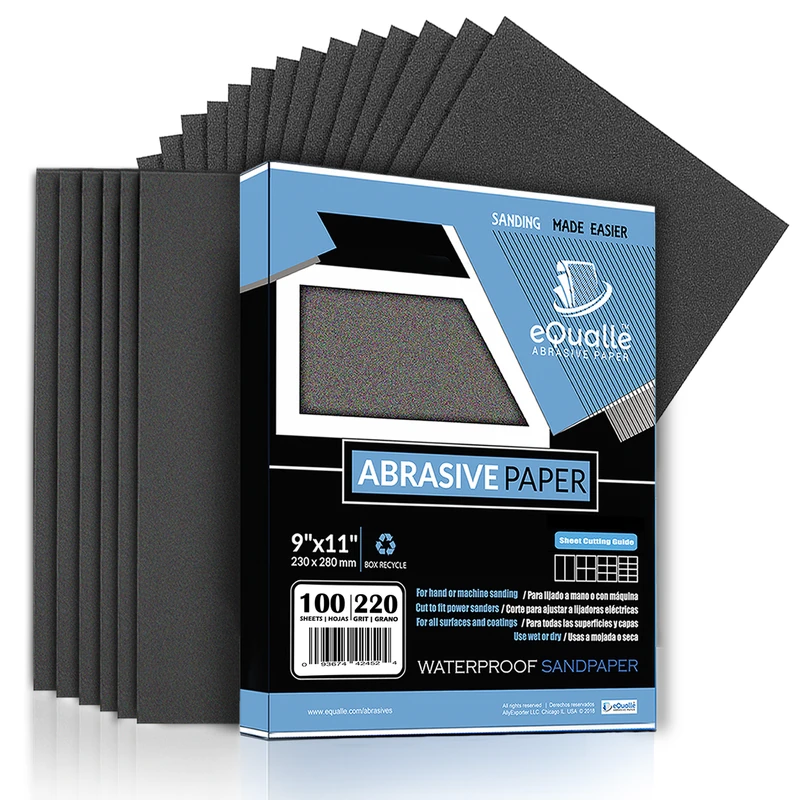
120 Grit Sandpaper Sheets (100-pack) — 9x11 in Silicon Carbide Abrasive for Wet or Dry Use — Refines surfaces after coarse sanding by removing scratches from lower grits. Consistent performance on wood, drywall, and metal. Ideal for wet or dry finishing before applying primer or stain. (Professional Grade).
Frequently Asked Questions (FAQ)
Q: Do I really need a HEPA filter for drywall sanding, or will a fine dust cartridge do?
A: For true dust control, run a true HEPA filter (99.97% at 0.3 microns). “Fine dust” cartridges catch a lot but let the most persistent drywall fines slip through, leaving haze at the exhaust and loading your room and lungs. HEPA plus a fleece bag is the reliable combination.
Q: Which is better for drywall dust: fleece bags or paper bags?
A: Multi-layer fleece bags hold airflow longer, resist tearing, and capture fines more consistently. Paper works in a pinch but clogs fast and can split when dragged around. For dustless drywall sanding, fleece wins on performance and total cost of ownership.
Q: How full should I let the vacuum bag get before changing it?
A: Swap at about two-thirds full. Overfilling collapses airflow, stresses seams, and raises the risk of leaks. A fresh bag before your final sanding pass helps your finish stay cleaner for primer.
Q: Can I reuse a fleece bag by dumping it?
A: Some bags have zip clean-outs, but for drywall fines, resealing often leaks and may undercut your HEPA. Reuse only if the manufacturer endorses it for fine dust; otherwise, replace the bag to protect your filter and workspace.
Q: What CFM should I aim for with a drywall pole sander?
A: Around 130 CFM or higher with strong water lift is a good target, especially with 27–36 mm hoses. More airflow helps, but balance it with tool control—too much suction can stall the pad. A variable-suction extractor lets you tune capture right at the wall.