
Final Jeweling for Mirror Gloss with Polishing Sandpaper
The first time I chased a true mirror finish, I was standing under the humming fluorescents of my shop at 10 p.m., jacket draped over a fender to keep it from picking up dust. The hood in front of me was deep black, fresh from a careful correction, but it still didn’t sing. It was 95% there—glossy to most eyes—yet under a cross-light, I could see faint micro-marring, a subtle haze that robbed it of that liquid, piano-black look. Earlier that afternoon, I’d refined orange peel and denibbed runs with P2000 and P3000 polishing sandpaper, keeping the surface flat and honest so I’d know exactly what I was working with at the machine. The sanding was clean; the defects were leveled. But “glossy” and “mirror” are two different milestones, and the last 5% is where your technique has to be slower, lighter, and smarter.
I wiped the panel with an IPA mix, took a breath, and switched to an ultra-soft finishing pad. The machine’s trigger felt familiar—like easing a plane to a perfect landing. No pressure, just pad weight and the gentlest sweep. The polish warmed, the residue thinned, and the reflection sharpened until the overhead tubes looked razor straight in the clear. That’s the jeweling pass: a final, deliberate refinement that replaces microscopic chatter with clarity and depth. It’s not about hiding with fillers or racing the clock—it’s about coaxing the paint to show its best without overworking it.
Whether you’re dialing in a concours build, a black daily driver that shows everything, or a custom guitar body that has to look wet, the path to mirror gloss is consistent: honest prep with appropriate polishing sandpaper, the right pad and polish, and a controlled final pass that trades speed for precision. I’ve seen talented techs try to “finish fast” and end up chasing haze for hours. I’ve also seen hobbyists, armed with patience and sound technique, outshine professional results. Let’s walk through the method and make that glassy finish repeatable.
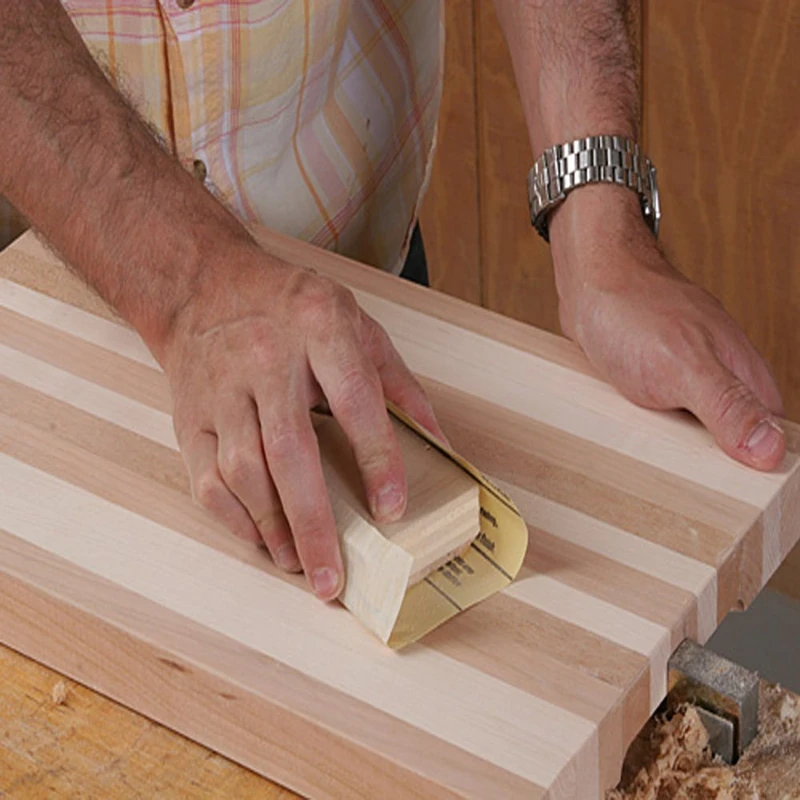
Quick Summary: Nail mirror gloss by pairing honest sanding prep, an ultra-soft pad with a fine finishing polish, and a slow, low-pressure jeweling pass.
What ‘Jeweling’ Really Means
Jeweling is the final refinement step that elevates a corrected panel from “shiny” to “optically crisp.” Think of it as polishing’s whisper pass: ultra-light contact, very slow arm speed, and a fine finishing polish designed to burnish the clear coat rather than cut it. Where a standard finishing step might remove faint haze, jeweling reduces microscopic peaks and valleys even further, aligning the surface so light reflects in a clean, undistorted band.
Key differences from typical finishing:
- Objective: Maximum clarity and depth, not material removal.
- Contact: Minimal pressure—just pad weight, sometimes even less by feathering the machine’s nose.
- Motion: Slow, deliberate arm speed with long, overlapping passes (70–80%).
- Heat: Slight warmth can help the polish break down and burnish; too much heat risks reintroducing haze.
- Inspection: Frequent, with angled light and neutral wipes to verify true finish.
Paint systems respond differently. Soft, dark paints (Japanese or repainted panels) love a very soft foam pad and low machine speed. Harder European clears may tolerate a hair more pad engagement or a finishing microfiber for the step before jeweling, followed by a foam jewel. Single-stage paint can glaze or load a pad—clean the pad more often and keep temperatures lower. When in doubt, jewel slower and lighter, then check your work under both white and warm LEDs; clarity should improve, not just “shine.”
H3: Why Jeweling Matters
- It reveals straight-line reflections with less texture.
- It removes the last micro-trails left by previous pads or disc sanding haze.
- It differentiates a great job from a showpiece—especially on dark colors and flat panels.
From polishing sandpaper to pad: prep right
The jeweling pass can’t fix bad prep. If the clear isn’t flat and uniform, you’ll end up “polishing the hills” and leaving the valleys—glossy but wavy. That’s where polishing sandpaper earns its keep. Used correctly, it flattens nibs, levels texture, and sets the stage for a fast, predictable jewel.
H3: Grit Progression That Works
- Spot defects with P1500 or P2000 (wet), feathering the edges to avoid terraces.
- Refine with P2500, then P3000 or a trizact-style finishing disc on a soft interface pad.
- Keep your DA pad level; tipping creates crescents that are hard to clear later.
- Lubricate consistently—water plus a drop of car shampoo works well; change it when it clouds.
H3: Verify Before You Polish After sanding, rinse thoroughly and squeegee. Wipe with an IPA mix (10–20%) to remove residues that can mask DA haze. Use a line light to inspect—DA pigtails or deep tracks will telegraph through polishing. If you see them now, go back a grit and re-refine. It’s faster than fighting them with a finishing pad.
H3: Actionable Prep Tips
- Keep a dedicated, soft interface pad for P3000; it reduces point pressure and keeps your scratch uniform.
- Mark small defects with a grease pencil so you don’t oversand the surrounding area.
- Replace discs at the first sign of loading or edge fuzz—they’ll trail and create more work.
- Wipe between grits; don’t drag P2000 dust into your P3000 stage.
- Sand crosshatch (north–south, then east–west) at light pressure to prevent directional haze.
When your prep is clean, your polishing becomes methodical. The better your polishing sandpaper work, the less you’ll need to rely on aggressive pads or compounds—and the more control you have in the final jeweling pass.
Pad, Polish, and Machine Setup
For jeweling, pair an ultra-soft, closed-cell finishing foam with a true finishing polish that has extremely fine abrasives and little to no filler. Priming matters: lightly butter the pad face, then remove the excess with a microfiber so you don’t skate on a film. Add 3–4 pea-sized dots and you’re set.
H3: Machine Choice and Settings
- Free-spinning DA: Ideal for jeweling due to gentle action. Use low-to-mid speed (2–3.5), slow arm speed.
- Forced rotation: Works, but be extra light; it builds heat faster.
- Rotary: Can jewel beautifully in skilled hands, but riskier on edges; keep RPM low and float the pad.
Aim for panel temperatures that are slightly warm to the touch but never hot. Excess heat softens paint, making micro-marring easier to induce. Clean your pad with compressed air or a pad brush every section; a loaded pad introduces haze and can clog the polish, preventing proper breakdown.
H3: Choosing the Right Finishing Polish Not all “finishing” polishes jewel equally. You want a formula that refines without cutting deep and that leaves the surface free of oils that could mask faint trails. Some high-end polishes are designed specifically for this final pass and play nicely with sensitive clears. Italicized industry note: According to a article, advanced final polishes are engineered to maximize gloss and depth across paint colors—exactly what you want for the last 5%.
H3: Setup Tips You Can Use Today
- De-gas pads before first use by spinning them up off-panel; it helps them run true.
- Store finishing pads in sealed bags; dust particles can scratch during jeweling.
- Use dedicated towels for final wipe—edgeless, plush, and inspected under light for contaminants.
- If a finishing microfiber is needed pre-jewel, follow with a fresh foam pad to remove its footprint.
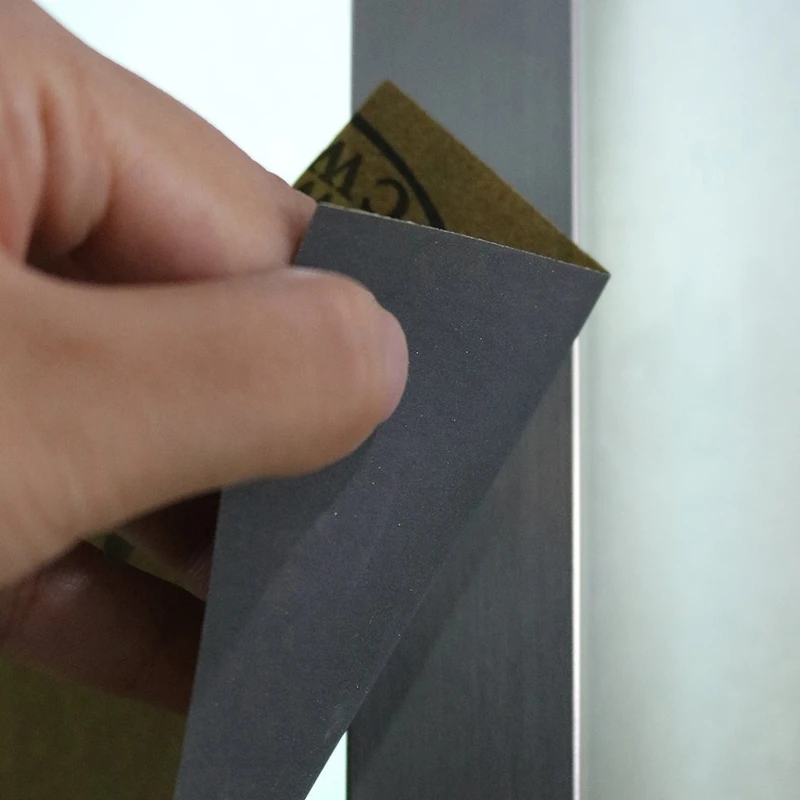
Jeweling Technique: Step by Step
Here’s the shop-tested, repeatable routine I use when the goal is mirror gloss that holds up under brutal lighting.
- Panel Prep
- Blow out crevices and tape edges. Any residue on the pad will loop back as micromarring.
- Final wipe with a mild panel prep (not too aggressive) and a clean microfiber.
- Prime and Place
- Lightly prime the pad, knock off excess.
- Dot polish: 3–4 small drops. Less is more; the pad should glide, not surf.
- Spread and Seat
- On speed 1–2, spread the product over a 2’ x 2’ area.
- Increase to 2.5–3, set the pad flat, and let only its weight contact the panel.
- Slow, Overlapping Passes
- Move at a snail’s pace—about 1–2 inches per second.
- Overlap 70–80% each pass. Make 3–4 crosshatch cycles total.
- Feather Pressure Down to Zero
- Start with pad weight only, then finish the last cycle with even less—slightly lifting the machine to “float” the pad.
- Reduce speed a notch for the final two passes to encourage burnishing over cutting.
- Manage Residue
- If the residue turns dry or sticky, stop. Wipe lightly with a dampened microfiber, clean the pad, re-dot, and continue.
- Don’t flood the panel; excess product blunts the abrasives and smears.
- Inspect with Purpose
- Wipe with a soft towel using minimal pressure; don’t re-marry the paint you just refined.
- Inspect under multiple lights (white, warm, and raking angles). Look for uniform, crisp reflections with no directional haze.
H3: Micro-Tweaks for Tricky Paints
- Soft/sticky paints: Drop speed, use a super-soft pad, and switch to a low-oil polish. If towels mar the finish, mist a touch of distilled water or a no-wax detailer for the final wipe.
- Hard clears: If clarity stalls, preface your jewel with one set on a finishing microfiber at low speed, then foam jewel to remove its signature.
- Repaints: Lower temps, more pad cleaning, and shorter sets prevent swelling and “ghost” trails.
H3: Quick, Shop-Floor Tips
- Keep a second identical finishing pad handy; swap out when the first warms up.
- Run a test spot inside the hood or low on a door to dial in settings before you commit.
- Track arm speed by counting seconds per pass—consistency beats guesswork.
- If in doubt, do one fewer pass and inspect; overworking adds haze instead of clarity.
Which grit of — Video Guide
Evan from a detailing and metal polishing channel breaks down the exact sandpaper grit order he uses on metal before moving into the polishing stages. While his demo is on metal parts, the core idea transfers directly to paintwork: controlled grit progression sets the stage for an easier, cleaner finish. He shows how skipping or rushing a grit creates stubborn marks that polishing can’t quickly remove.
Video source: Which grit of sandpaper should I use on metal? - Evan's Detailing and Polishing
2000 Grit Sandpaper Sheets (25-pack) — 9x11 in Silicon Carbide Abrasive for Wet or Dry Use — Precision polishing grit designed to remove haze and restore clarity to clear coats and high-gloss automotive paint. (Professional Grade).
Frequently Asked Questions (FAQ)
Q: Do I always need to wet-sand before a jeweling pass?
A: No. If the paint is already corrected and flat, you can go straight to jeweling. Wet-sanding with fine discs (P2500–P3000) is for leveling texture or defects first; it’s not mandatory on healthy, swirl-free paint.
Q: What pad is best for the final jeweling pass?
A: A very soft closed-cell finishing foam pad is the safest, most consistent choice. Reserve finishing microfiber for the step before jeweling on harder clears, then swap back to foam to remove its footprint.
Q: How much pressure should I use while jeweling?
A: As little as possible—pad weight only, finishing with even lighter contact. The goal is to burnish, not cut. Heavy pressure creates heat, stalls polish behavior, and reintroduces haze.
Q: My finish looks great indoors but hazy in sunlight. Why?
A: You may be seeing residues or faint micro-marring that indoor light hides. Re-wipe with a low-oil panel cleaner, re-inspect under raking sunlight or a high-CRI lamp, and, if needed, make a brief, ultra-light jeweling set with a clean pad.
Q: Can I apply a ceramic coating right after jeweling?
A: Yes, after a gentle, residue-free panel wipe. Allow the panel to cool, avoid aggressive solvents, and follow the coating’s flash and cure guidelines. Jeweling improves coating gloss by presenting a cleaner, flatter surface.