
Sanding Belts for Edge and End Grain Mastery
A winter evening, the kitchen lights are low, and the cutting board you glued up yesterday is resting on the counter, checkerboard end grain catching the warm glow. You run a hand over the surface and feel proud—until your fingertips find those stubborn ridges where boards meet, the faint scallops from clamping pressure, and a little glue squeeze-out that dried just shy of invisible. You know an orbital sander will be slow going, and a planer is off-limits for end grain. So you reach for the belt sander, a few fresh sanding belts in the drawer, and the promise that—done right—you can level and refine this surface without a drum sander, without chatter, and without rounding the edges you worked so hard to square.
If you’ve ever felt the tug-of-war between speed and control, you’ll recognize that moment. A belt sander can feel like a bulldozer: powerful, fast, and unforgiving. But with the right abrasives, a clear plan, and a few shop-made guides, it becomes a precision tool. You learn to keep it moving, to let grit—not pressure—do the work. You learn where heat comes from and how to prevent it. You learn the difference between edge grain—fibers running along the length—and end grain—fibers looking straight up at you—so your approach matches the material beneath your hands.
This article is about gaining that control. We’ll look at why edge and end grain behave differently, how to select the best tools and abrasives, and how to use your belt sander to flatten end grain and refine edges without washout or burn. We’ll walk through repeatable techniques, show you how to troubleshoot, and finish with a simple path to a food-safe, elegant surface. Along the way, you’ll pick up practical tips you can use on your next cutting board, table edge, or sculpted handle—guided by the quiet confidence that comes from understanding both the wood and the tool.
Quick Summary: Use the right grit progression, a stable setup, and light, even passes to flatten end grain and refine edges with a belt sander—letting fresh sanding belts do the cutting while you control heat, pressure, and direction.
Edge vs. end grain: what you’re really sanding
Edge and end grain are not just different surfaces; they’re different structures. Edge grain shows fibers running lengthwise, like lines on a highway. Your abrasive cuts across these lines more predictably, and dust clears easily. End grain, by contrast, presents the straws of wood directly to the belt. Those straws resist at first, then crumble; they carry heat differently and can polish or burnish under pressure. That’s why end grain can feel both stubborn and finicky—resisting flatness yet also glossing over too soon.
On edge grain, the main risks are washboard ripples from rocking the sander, scratch patterns left by too-coarse grit, and subtle rounding at edges. On end grain, risks include burning (especially in maple and cherry), glazed surfaces that reject finish, and low spots from dwelling in one area even for a moment. Because glue lines cross the surface, worn belts can excavate softer species while skating on harder ones, amplifying unevenness.
A few behaviors to remember:
- Heat is your enemy. It comes from pressure, speed, and clogged abrasive. End grain traps heat faster; edge grain sheds it a bit better.
- Direction matters. While belt sanders move in one direction, you can change your body movement to vary the scratch orientation and avoid tracks.
- Flatness is about support. If the tool or the workpiece can rock, it will. Stable platforms prevent “smiles” and “frowns” across boards.
Think of your approach as two missions: remove material predictably to get flat, then refine to remove scratches and prep for finish. On edge grain, that might mean starting no lower than 80–100 grit. On end grain, you may need 60–80 to level, but the moment the surface is true, you’ll move up. Above all, you’ll keep the sander moving, light-handed, with fresh belts and planned passes.
Tools, grits, and sanding belts that work
Your belt sander type and abrasive choice do most of the heavy lifting. A 3x21 or 3x24 handheld belt sander offers a good balance of control and coverage; a 4x24 is faster but less forgiving. Stationary belt sanders with a solid platen are superb for edges, profiles, and small end-grain blocks. Whichever you use, the platen—the flat backing under the belt—must be true, and the belt should track dead-center.
Abrasive selection:
- Stock removal (especially end grain): Ceramic or zirconia belts in 60–80 grit. They cut cooler and last longer.
- General leveling and scratch refinement: Aluminum oxide in 100–150 grit.
- Pre-finish prep: 150–220 grit. On end grain, stop at 180–220 before switching to a random-orbit sander for a cross-hatch blend.
- Backing weight: Choose X- or Y-weight cloth for stability; paper belts heat up and tear more easily under pressure.
Helpful accessories:
- Belt cleaning stick (crepe rubber): Clears resin and glue quickly—your best defense against burn.
- Straightedge and pencil: To mark high spots and track progress.
- Shop-made sleds and fences: Keep work flat and square under the belt.
- Dust extraction and a tight-fitting respirator: End-grain dust is ultrafine; capture it before it settles in your lungs.
Five actionable tips to set up for success:
- Start coarse only as needed. For end grain, begin at 80 grit unless the surface is clearly high and uneven—then drop to 60 briefly.
- Let the belt cut. Use just enough pressure to maintain contact. If the motor slows or the housing heats up, you’re pushing too hard.
- Keep belts fresh. As soon as a belt feels “skatey” or starts to burn, change or clean it.
- Track every pass. Use light pencil scribbles; sand until they just disappear, then move on.
- Chamfer edges slightly. A tiny 1/64" chamfer prevents tear-out and accidental rounding during passes.
With the right sanding belts, a level platform, and clear grit steps, you’ll reduce time, heat, and risk—turning the belt sander from a last resort into your first-choice flattening tool.
Belt-sander technique for end grain flatness
Flattening end grain is a choreography of light pressure, even speed, and consistent overlap. Begin by immobilizing the workpiece; clamp it to a sacrificial board or a non-slip mat on a dead-flat bench. If you have a handheld sander, fit a fresh 80-grit ceramic belt. Scribble a pencil grid across the surface. Now, plant your feet, square your shoulders, and start the sander in the air. Set it down gently near a corner with the platen fully supported.
Move in straight, parallel passes with one-third overlap, covering the board like mowing a lawn. Count a steady tempo—one Mississippi per 6–8 inches—and don’t accelerate at the end of a stroke. Lift the sander only after it’s clear of the surface; don’t rock on or off. After the first full set of passes, rotate the board 90 degrees and repeat. This cross pattern helps you avoid tracks and reveals remaining high spots when you re-mark with pencil.
For stubborn glue lines or minor cupping, use a shop-made leveling sled: a plywood base with two cleats to hold the board and thin shims under low corners. The key is to immobilize and true the work to the platen. If you’re using a stationary belt sander, set the table dead-flat with the belt’s platen and use a miter gauge or fence to guide the work. Keep pressure centered over the platen, not the contact roller, to prevent scallops.
Heat control is non-negotiable. Clean the belt whenever you see dark streaks or feel drag. If the wood feels hot to the touch, pause. Avoid jumping from 80 straight to 220; step through 120 and 150. Once the pencil marks vanish uniformly and the surface looks evenly matte, you’re flat. From here, refine at 120–150, then stop at 180–220 and switch to a random-orbit sander with 180–220 to blend the scratch pattern diagonally.
This isn’t just about cutting boards. The same approach saves sculpted end-grain handles, butcher blocks, and end-grain inlays. And if you’re tempted to run end grain through a planer—resist; it’s risky. Use the belt sander’s stable, cool-cutting control instead.
According to a article
Keep edges crisp, not rounded or wavy
Edges showcase craftsmanship. A belt sander can make them arrow-straight—or wash them out in seconds. The secret is support and reference. For handheld sanders, clamp your work with the edge just proud of the bench and run the sander with the platen fully on the face, letting only a sliver of the belt overhang the edge. Keep the machine level; do not “chase” the edge by tilting to it. A scrap straightedge clamped parallel to the edge can serve as a fence to steer your passes.
On a stationary belt sander, install a square, rigid table and set it exactly 90 degrees to the platen with a machinist square. Use a miter gauge to slide the piece across the belt in short, even strokes, or hold long edges flat on the table, moving steadily left to right in overlapping passes. For delicate profiles, switch to a fresh, fine-grit belt and use the platen, not the contact roller, to avoid scallops. If you must use the roller (for inside curves), lighten up and keep the work moving to prevent low spots.
Practical steps to protect edges:
- Add a tiny bevel before sanding. A controlled 1/64" chamfer prevents the belt from “biting” and rolling the corner.
- Avoid overhang. Keep most of the platen on the surface; allow minimal belt to extend past the edge.
- Use a hard platen. A stiff graphite or steel-backed platen maintains flat contact and reduces rounding.
- Check often. After every two passes, sight down the edge against a light source or use a straightedge.
When flushing edging or edge-banding, run passes that begin and end off the work to avoid divots. Keep your grit conservative—100–150 for flushing, 180–220 for refining—and follow with a block and the grain to erase any micro-scratches. The belt sander’s speed is your ally here: a few deliberate, well-supported passes can leave edges dead-straight with crisp, respectful corners.
Eliminating burns, scratches, and glue ghosts
End grain, resinous species, and PVA glue can gang up to produce burn marks, stubborn scratches, and pale “ghosts” that only appear after oiling. The cure is methodical and rooted in abrasive management.
Start by diagnosing the mark. Burns are brown-to-black, often glossy, and may feel slightly raised. They come from heat: dull belts, too much pressure, or a glazed surface. Scratches that don’t vanish are usually from skipping grits or embedding grit in the wood. Glue ghosts happen when glue smears into end grain, sealing straws and repelling finish.
A step-by-step rescue:
- Kill the heat. Switch to a fresh belt of the same grit and clean often. Reduce pressure and speed up your travel slightly.
- Reset the scratch pattern. If 150 grit won’t remove a defect in 10–12 passes, drop back to 120 or even 100. Erase completely, then step forward again.
- Target glue ghosts. Lightly mist warm water and scrub with a nylon brush to lift glue from end grain. Let dry fully, then sand again at the same grit.
- Vary direction. Rotate the work 90 degrees between passes to avoid building tracks in one orientation.
- Finish smart. After belt sanding to 180–220, switch to a random-orbit sander at 180–220 and add a diagonal blend pass. Raise the grain with a damp cloth, then do one final light pass at the same grit.
Species-specific notes: Maple burns easily; keep belts new and pressure light. Walnut hides scratches but reveals glue ghosts under oil—be thorough at 120–150. Cherry is heat-sensitive; frequent belt cleaning is essential. Mixed-species cutting boards benefit from ceramic belts at coarse grits to even cutting rates across hard and soft woods.
If you find a defect after oiling, don’t panic. Degrease with mineral spirits, let dry, and re-sand locally, feathering out two grit steps lower than your final, then re-oil. Controlled, incremental corrections beat aggressive spot-sanding every time.
Achieving the Perfect — Video Guide
This straight-talking video, Achieving the Perfect Finish: No BS Guide to Sanding like a Pro, walks through the core moves that separate smooth from streaky. In about-the-shop language, it shows how grit progression, pressure control, and consistent patterns create flat, even surfaces without burn or swirl drama.
Video source: Achieving the Perfect Finish: No BS Guide to Sanding like a Pro
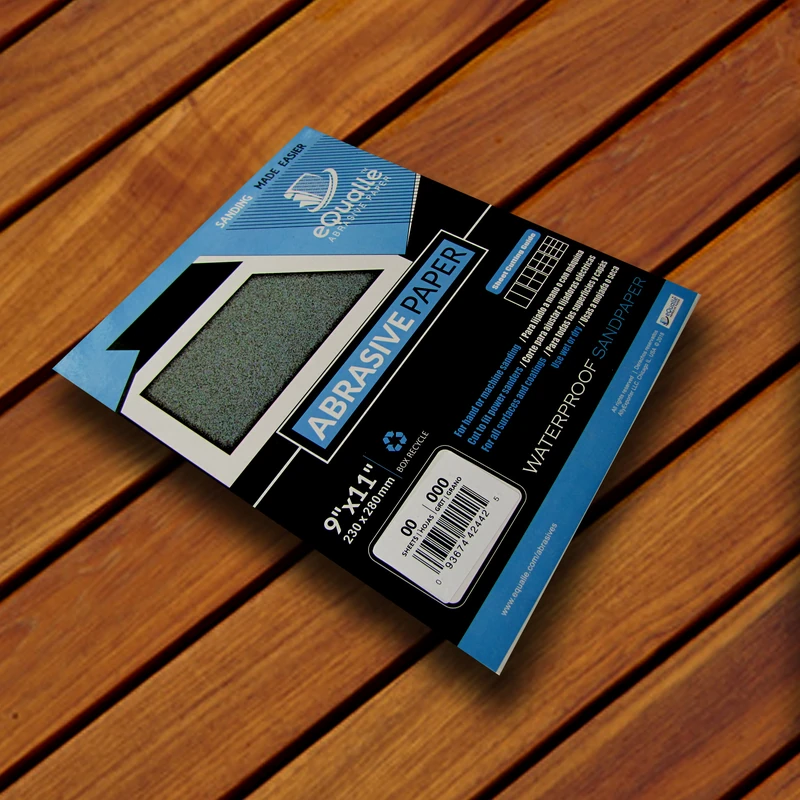
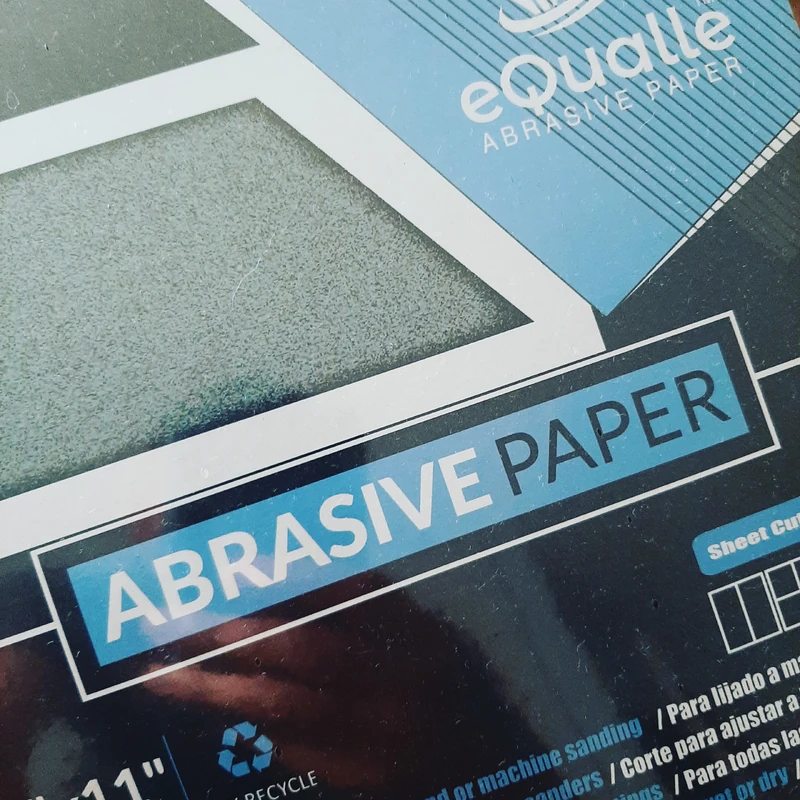
80 Grit Sandpaper Sheets (10-pack) — 9x11 in Silicon Carbide Abrasive for Wet or Dry Use — Durable coarse sandpaper made with Silicon Carbide for fast stock removal and surface leveling. Excellent for woodworking, metalwork, and fiberglass preparation. Works effectively for both wet and dry sanding before moving to 120 grit. (Professional Grade).
Frequently Asked Questions (FAQ)
Q: What grit should I start with on end grain using a belt sander?
A: Begin with 80 grit if the surface is generally flat; drop to 60 only for significant high spots. Move through 120 and 150, then stop at 180–220 before switching to a random-orbit sander for final blending.
Q: How do I keep from rounding over edges with a belt sander?
A: Support the work flat, keep most of the platen on the surface with minimal belt overhang, add a tiny pre-chamfer, and use a hard, true platen. Check with a straightedge every few passes.
Q: Why does my maple end grain burn so easily?
A: Maple’s density and closed pores trap heat. Use fresh ceramic or zirconia belts, clean them often with a crepe stick, lighten your pressure, and keep the sander moving at a steady pace.
Q: Can I sand to 320 grit on end grain with a belt sander?
A: You can, but it’s usually unnecessary and can polish the surface, reducing finish absorption. Most woodworkers stop belt sanding at 180–220, then blend with a random-orbit sander at the same grit for a consistent, finish-ready surface.