
Resin Polishing: Fix Haze by Stepping Back to 3000
It always starts the same way. You pour a clear epoxy for a keepsake, a river board, or a crisp acrylic panel that needs to look like still water. You sand it flat, chase out a couple of dust pimples, then bring in the buffer. Instead of that mirror you pictured, you’re left with a milky haze that looks dull unless it’s wet. If you’re here, you’ve probably tried a hotter pad or a more aggressive compound and only made the bloom worse. I’ve been there—late at night in the shop, lights angled low, hand sliding across the piece, feeling a finish that’s glass-smooth yet visually cloudy. That’s the kind of moment that separates guessing from knowing. The difference is a repeatable workflow and one simple fix that saves the day more often than not: stepping back to 3000.
As a workshop tech who lives in the world of sanding dust and polishing residue, I’ll tell you straight—resin polishing is less about “buffing it shiny” and more about scratch refinement and heat control. Haze isn’t a mystery; it’s unrefined micro-scratches plus a bit of thermal stress. The wet look you get from a spritz of water is your clue: the surface can be clear again if you reset the scratch pattern the right way. Today I’ll walk you through the technique I teach hobbyists and pros alike: how to diagnose the haze, how to back up to 3000 grit without losing your flatness, and how to bring the part to a durable, deep gloss that holds up in real light—not just under a shop LED.
We’ll get hands-on with the right abrasives, pads, and passes, talk pressure and speed like a mechanic talks torque, and keep it efficient. If you’re fighting cloudiness on a bar top, a casting, or even something as finicky as a clear 3D-printed resin part, this is the rescue plan I trust—measured, methodical, and fast.
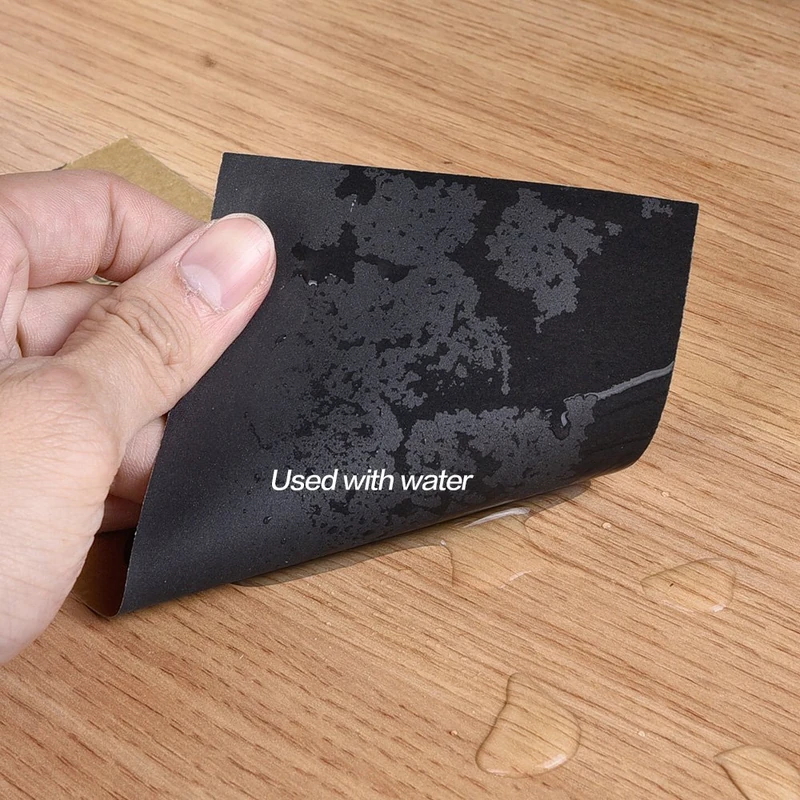
Quick Summary: If haze appears after buffing, re-wet-sand with fresh 3000 grit to reset the micro-scratch pattern, then polish with clean pads, cool temps, and light pressure.
Why Haze Appears After Sanding
Haze usually shows up for three reasons: scratch mismatch, pad-induced micro-marring, and heat bloom. All three share one root cause—some step in the process removed material unevenly at a microscopic level. When your eye catches that milkiness under raking light, what you’re really seeing are fine valleys scattering light instead of letting it pass cleanly.
Scratch mismatch happens when you jump grits too aggressively or skip the final refining steps. For example, going 800 to 2000 will level the piece, but those deeper 800 tracks can hide until the buffer lights them up as haze. The same thing happens when your abrasive loads up with resin dust; it stops cutting cleanly and starts rubbing, which blurs rather than refines.
Pad-induced micro-marring is sneaky. A medium-cut foam pad with a strong compound can remove 3000 grit scratches, but if the pad is contaminated with a 1000-grit particle or dried residue, you’re installing swirls finer than the eye catches as “swirl,” but still enough to kill clarity. Polishing dry or with too much pressure can also shred foam cell structure, creating a million tiny scuffs.
Heat bloom is the silent killer with plastics. Resin softens under friction; even a few seconds of stalled-pad pressure can warm the surface enough to smear or micro-craze. It looks like fog that won’t buff out because it isn’t a scratch—it’s a texture shift from heat. If the surface looks clear when wetted with water or alcohol but turns frosty when dry, you’re looking at unresolved micro-scratches and possible minor heat distortion.
Diagnostics that work:
- Use low-angle light and move your head. Clarity problems pop under raking light.
- Mist the surface with water or isopropyl alcohol. If clarity returns momentarily, scratches are the issue; reset with finer sanding.
- Mark with a soft pencil crosshatch before sanding each grit. When all marks are gone uniformly, you’ve actually leveled, not just glossed.
Bottom line: haze isn’t “mystical,” it’s a sign your surface hasn’t been uniformly refined. The fix is controlled steps, not more aggression.
Resin polishing workflow that works
Here’s the shop-tested path I use to take resin from leveled to glass, efficiently and repeatably. Adapt grit starts to your surface; the refinement end is what matters most.
- Flatten and de-nib
- If you’ve got drips, dust nibs, or a slight wave, start with 600–800 grit on a firm interface pad. Wet-sand with clean water plus a drop of dish soap. Keep the pad moving, light pressure, overlapping strokes.
- Crosshatch your passes (north-south, then east-west) and wipe dry between sets. Stop only when the entire surface has the same uniform matte.
- Progressive refinement
- Move to 1000 or 1200, then 1500, 2000, and 3000. The key is not skipping more than a 50% jump in scratch size: each step should erase the previous one’s tracks.
- Rinse the workpiece, your pad, and the work area between grits. Contamination is what bites you later as haze.
- Replace clogged paper immediately. If the sheet starts skating, it’s loaded—swap it out; burning time with dull paper just polishes scratches into fog.
- Pre-polish inspection
- After 3000, the surface should look satin when dry and crystal clear when wet. If it’s blotchy dry, you didn’t fully remove the last grit’s scratches.
- Use a clean microfiber to dry and a bright, raking light to check. No buffing until it’s uniformly refined.
- Polish in two stages
- Stage A: Medium-cut compound on a clean, medium foam pad. Dual-action (DA) polisher, low-to-mid speed, pad kept flat, 3–4 slow passes. Wipe and inspect.
- Stage B: Finishing polish on a soft foam pad. Light pressure, low speed, 2–3 passes. You’re refining, not removing material—keep it cool.
- Protect and maintain
- If the piece will live in sun or see hands often, consider a compatible UV-resistant resin topcoat or a polymer sealant meant for plastics. It preserves clarity and reduces future haze.
Actionable tip: Your last sanding step (3000) does 80% of the clarity work for resin polishing. If your 3000 isn’t dialed, the buffer will only reveal problems faster.
Step Back to 3000: The Rescue Move
You’ve polished, you’ve wiped, and you’ve got that stubborn milky look. Resist the urge to hit it harder with compound. The pro move is to reset the surface with a precise, short session at 3000.
Here’s how to do it right:
- Clean slate: Wash the piece with mild soap and water, then wipe with isopropyl alcohol to remove any oils. Swap to a fresh 3000 grit disc or sheet—no exceptions.
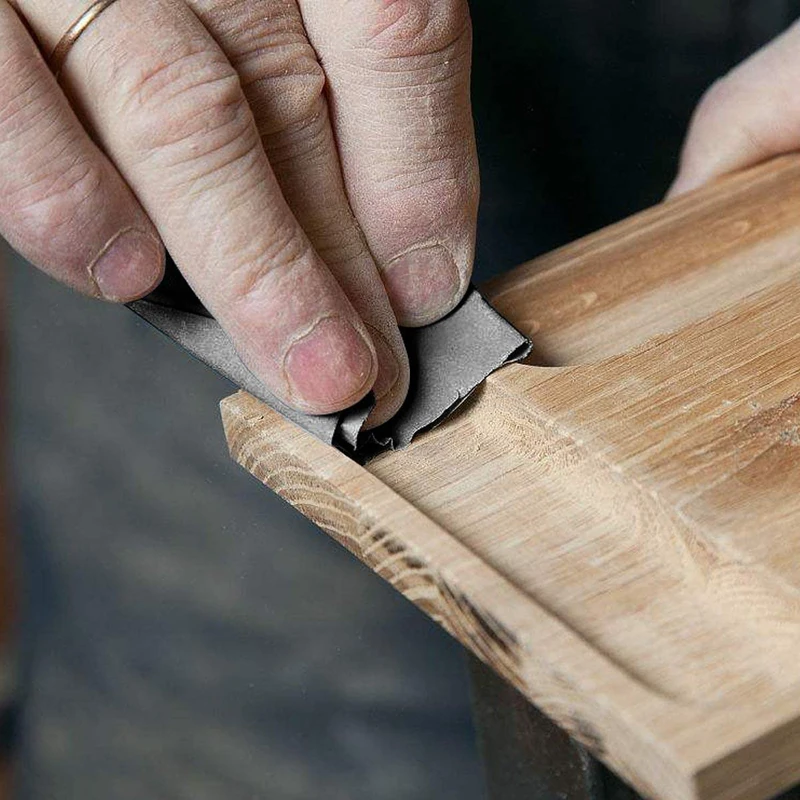
- Cushion the cut: Use a 5 mm foam interface pad under your abrasive. It keeps edges from digging and lets the abrasive conform without gouging.
- Wet and gentle: Lightly mist the surface with clean water plus a tiny drop of dish soap. Use very light pressure—just the weight of your hand or the machine. Make slow, overlapping passes in one direction; then rotate 90 degrees and repeat. Two to three passes per direction is usually plenty.
- Check often: Wipe dry and inspect under raking light. If a quick spritz of water turns the panel optically clear, you’re almost there. Any dull islands mean you need another short pass.
- Step forward again: Once uniform at 3000, move straight to a fresh medium foam pad and a quality medium-cut polish. Prime the pad with a small X of compound, spread at low speed, then make 3–4 slow passes with minimal pressure. Wipe, inspect, and finish with a fine polish on a soft pad if needed.
Why 3000 works: It’s the sweet spot that removes micro-marring without reintroducing visible coarser scratches. Resin is soft enough that 3000 reshapes the scratch profile quickly, and the follow-up polish erases what 3000 leaves. If you try to polish out a botched 1500 or 2000 job, you’ll chase haze all afternoon because you’re asking a pad and liquid to do what only an abrasive sheet can.
Edge and detail care:
- Mask or hand-sand edges. Machines concentrate heat at edges and corners—prime places for bloom.
- For small parts, sandwich the work on a non-slip mat to avoid chasing it around and stalling the pad.
Common pitfall to avoid: Dry polishing. Always ensure your pad is loaded correctly with compound and that the surface isn’t overheating. A finger on the panel is a good heat gauge—if it’s too hot to hold, it’s too hot to polish.
According to a article, parts that look clear when wet but opaque when dry are showing unresolved fine scratches—exactly what a careful return to 3000 followed by measured polishing is designed to fix.
Pads, Compounds, and Heat Control
Tools and consumables make or break your finish. Resin demands a softer touch than metal or hardwoods, so match your setup to the material.
Pad selection:
- Medium-cut foam (yellow/green in many brands): Use with a medium compound to remove 3000 scratches. Keep it clean; blow it out with compressed air or brush between sections.
- Finishing foam (black/white): Pair with a fine polish to refine to high gloss. Very light pressure—let the polish do the work.
- Microfiber cutting pads: Powerful but risky on resin; they run hotter and can micro-mar quickly. If you use them, do so lightly and briefly, then switch back to foam.
Compound choice:
- Look for compounds labeled safe for plastics/acrylics. Diminishing abrasives that break down as you work are ideal—they start cutting and end refining.
- Keep two bottles on hand: medium-cut and finishing. Shake well; settled abrasives cut unevenly and can cause streaking.
Machine matters:
- Dual-action (DA) polishers are forgiving on resin, as their oscillation reduces heat buildup and swirl potential. Rotary polishers cut fast but build heat quickly; use them with caution.
- Speed and pressure: Start low (speed 2–3 on a DA) to spread, then moderate (3–4) for working passes. Use just enough pressure to keep pad contact—usually one to two fingers worth. If the pad stalls, reduce pressure or speed.
Heat control:
- Work small sections (about 12" x 12"). Wipe between sets. If the panel feels warm, stop and let it cool.
- Never dry-buff. A starved pad scours. Prime the pad initially, add a pea-sized drop per section thereafter.
- Keep the pad flat. Tilting concentrates pressure and heat at the edge, inviting bloom and pigtails.
Cleanliness is a finish:
- Dedicated towels for compound and for polish; don’t cross-contaminate.
- Store pads in zip bags between stages to keep out dust. One rogue grit can rewrite your whole afternoon.
If you respect heat and cleanliness, the gloss comes faster than you’d think—and stays.
Troubleshooting and Pro Tips
When clarity slips, go methodical. Here’s my short list of moves that save time and surface.
Five laser-focused tips:
- Pencil guide coat every grit
- Lightly scribble a crosshatch on the surface before each sanding step. Sand until every line vanishes. If any ghost lines remain, you’re not flat yet. This guarantees each grit erases the last.
- Raking light and solvent check
- Use a bright light at a low angle. If a mist of isopropyl alcohol makes the piece look perfect momentarily, you’ve got micro-scratches—not contamination—so step back to 3000 and proceed.
- Change abrasives early
- Resin loads paper faster than hardwood. If your paper feels slick, it’s burnishing, not cutting. Swap sheets, not expectations. Fresh 3000 cuts clean and cool.
- Edge insurance
- Tape off edges and corners or hand-sand them with worn 3000. Power tools concentrate heat at edges; protect them from bloom and halos by isolating or soft-touching those zones.
- Keep pads honest
- Clean pads between panels with compressed air or a pad brush. If you drop one, it’s done for that finish—one embedded grit turns your polisher into 400-grit sandpaper.
Bonus checks if haze persists:
- Slow down your passes. Too fast means you’re just glazing the top of the scratch pattern.
- Split compounds by task. If your finishing polish isn’t clearing the last bit, your medium cut might be too mild—do one more set with the medium, then re-finish.
- Temperature and timing. Recently poured resin can be slightly softer. If possible, let it cure fully per manufacturer’s spec before heavy correction.
When in doubt, remember the rule of clarity: if it’s hazy after polish, re-refine at 3000, inspect under raking light, and only then return to compound. This rhythm wins.
How to sand — Video Guide
If you’re a visual learner, I break down a time-saving routine in a recent video that walks through sanding and polishing epoxy efficiently. I demonstrate how to avoid wasting time at the coarse stages, when to switch grits, and how to use 3000 as the pivot point that brings clarity back fast.
Video source: How to sand and polish epoxy resin like a pro and save time!
2000 Grit Sandpaper Sheets (10-pack) — 9x11 in Silicon Carbide Abrasive for Wet or Dry Use — Precision polishing grit designed to remove haze and restore clarity to clear coats and high-gloss automotive paint. (Professional Grade).
Frequently Asked Questions (FAQ)
Q: Why does my resin look clear when wet but cloudy when dry?
A: Water fills micro-scratches, matching the refractive index and making them disappear temporarily. When it dries, the scratches scatter light again. Re-wet-sand at 3000 to uniformly refine the scratch pattern, then polish with clean pads and light pressure.
Q: Can I jump from 1000 grit straight to compound to save time?
A: Not on resin. That leap leaves deep tracks the compound can’t uniformly remove, which shows up as haze. Move through 1500, 2000, and 3000. Your buffer is for refining, not erasing coarse scratches.
Q: DA or rotary for resin polishing?
A: A dual-action polisher is safer and more forgiving on resin, controlling heat and reducing micro-marring. Rotary cuts fast but builds heat quickly; use only if you’re experienced and keep speeds and pressure very low.
Q: What compound works best on epoxy resin?
A: Use a plastic-safe, diminishing-abrasive medium compound for the first polish, then a fine finishing polish. Avoid aggressive automotive compounds designed for hard clear coats—they can haze soft resin and run hotter.
Q: How do I prevent new haze after I’ve achieved gloss?
A: Keep pads clean, control heat, and wipe residues with fresh microfiber. Consider a UV-stable topcoat or polymer sealant to protect the finish. Handle the piece with nitrile gloves during final steps to avoid oils that catch dust and swirl.