
Best Sponge for Trim: Extra-Fine Sanding Between Coats
There’s a point, somewhere between the second coat drying and the coffee turning lukewarm, when you step back and squint at the window casing. The color’s right. The corners are tight. But the finish? It’s not quite the piano-smooth surface you pictured. Tiny dust nibs caught in the sheen. A faint brush ridge glinting under raking light. That’s the moment when real craftsmanship steps in. Not with more paint, but with the right abrasive—an extra-fine sanding sponge for trim—used deliberately between coats.
I’ve spent hours in shops and on site kneeling in hallways, palm to molding, feeling for the smallest hiccup. On trim, the hand is a better inspector than the eye. And it’s why an extra-fine sponge for trim is a must-have. Blocks and sheets have their place, but sponges conform to cove and bead details, wrap edges without cutting through, and—used with a light touch—erase nibs and brush marks without dulling your edges or chewing through a corner you just caulked.
Think of it like sharpening a chisel: the polish between grits transforms a good edge into a great one. Between coats on trim paint, that polish is a few careful passes with 320–400 grit foam. When you control pressure, direction, and dust, the next coat lays down silk-smooth and stays that way. Whether you’re hallway-proud as a DIYer or prepping a showcase stair rail on the clock, this step is the difference you can feel.
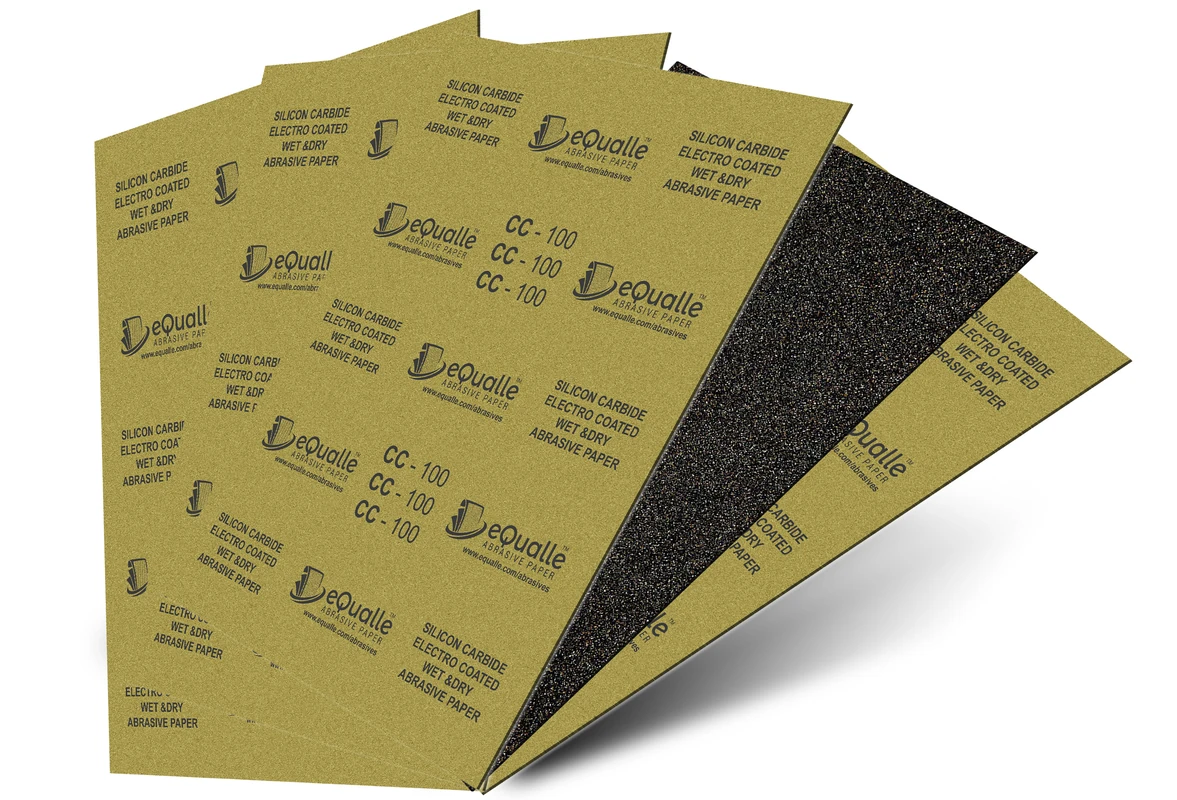
Quick Summary: For trim that feels factory-smooth, de-nib between coats with a 320–400 grit extra-fine sanding sponge, use feather-light pressure, vacuum thoroughly, and wipe clean before the next coat.
Prep that Makes Paint Glide
A flawless topcoat starts before you ever open the paint can. Good prep is like installing rails for the finish to ride on—straight, clean, and consistent.
Start by removing hardware, outlet plates, and anything that drags a brush. Clean the trim with a degreaser—kitchens especially—because paint won’t level on residue. Scuff-sand raw or glossy surfaces with 180–220 grit to ensure primer adhesion, then vacuum meticulously. Dust is the enemy that shows up at the worst time, under a perfect light.
If you’re filling nail holes, overfill slightly with a lightweight, sandable filler and plane it back flush. On open-grain woods, a filler or primer-surfacer helps you avoid telegraphing. On MDF, seal those thirsty edges with primer before you touch them with paint; you’ll prevent raised fibers later.
Caulking matters. A precise, tiny fillet where casing meets wall does more for the finished look than you’d think. Run a finger or a caulk tool, then give it enough dry time. Don’t rush onto caulk with sandpaper or a sponge—once cured, it should be left alone.
When your primer’s on and cured, do a first light sand to knock back fibers and specks. This isn’t a shaping pass; it’s a refinement. Use 220–280 grit lightly, vacuum, and tack with a microfiber cloth very lightly dampened with water for waterborne finishes or mineral spirits for oils (test in a corner first). Now your first color coat has a fighting chance to level out. The magic polishing happens after that coat dries, before the next one goes on.
Actionable prep tips:
- Label each piece of trim on the back with a pencil map if you’ve pulled it off—reinstalling in the same location reduces gaps and rework.
- Shine a raking light (flashlight or work light) across your surfaces to spot defects before you paint.
- Keep a dedicated soft-bristle brush on the vacuum hose to avoid scuffing edges while cleaning.
Choose the right sponge for trim profiles
Not all abrasives are equal—especially when you’re sanding between coats on detailed profiles. The right sponge for trim should be extra-fine, flexible, and predictable.
Grit and foam density are your starting points. For between-coat work on waterborne and alkyd trim paints, I reach for 320–400 grit. That’s fine enough to de-nib without cutting through or creating visible scratches. A medium-density foam keeps the face flat on larger profiles yet still flexes around beads and coves. For ultra-delicate edges—picture-rail or ornate crown—use a softer foam to wrap the detail without flattening it.
Size and shape matter more than people think. Standard 4.5x5.5 inch blocks give you control with a full palm grip. For tight reveals or staff bead, trim the sponge with a utility knife to create a custom edge. A folded edge creates a “softer” corner for kissing delicate inside corners without burn-through.
Surface compatibility is the next filter. Extra-fine sponges are perfect for waterborne enamel, alkyd hybrids, and oil-based between coats. Avoid coarse anything—120–180 grit here will leave tracks you’ll chase for hours. If you must level a sag, start with a backed 220–240 on a rigid block only in the defect area, then return to the sponge to blend.
Four selection tips:
- Choose 320 grit for general de-nibbing; step to 400 if your topcoat is especially hard or glossy.
- Pick a sponge with abrasive bonded directly to foam for edge control—no paper seams to catch.
- Keep a separate sponge dedicated to white trim; darker colors can load differently and transfer.
- Mark the grit on the side with a Sharpie so you don’t guess halfway through a project.
Step-by-step: between-coat sanding
Here’s the exact process I use after the first color coat, whether it’s door casing in a craftsman bungalow or baseboard in a modern loft.
Confirm cure, not just “dry to touch.” Waterborne enamels can feel dry in an hour and still be tender underneath. Follow the can, then add 30–60 minutes when humidity is high.
Inspect under raking light and by feel. Glide your fingers along flats and around profiles to find nibs, dust specks, and faint brush ridges.
Start with a clean, dry 320–400 grit sponge. Hold it like a violin bow—not a clamp. Pressure should be light enough that you’d barely smudge a fingerprint.
Sand with the grain on flats. Two to four passes, overlapping, are plenty. On profiles, wrap the sponge and “kiss” the detail; don’t try to make the profile flat.
Spot-fix defects. For a small sag or raised ridge, a couple of careful strokes with a backed 220 on a mini block can level the high spot. Immediately follow with your extra-fine sponge to feather edges.
Edges and corners get special care. Use the rounded edge of the sponge and let the foam—not your fingers—find the shape. If you see primer peeking through, you’ve gone too far; stop and touch up after cleaning.
Vac and wipe. Vacuum with a soft brush head, then wipe with a barely-damp microfiber. For waterborne paints, avoid traditional tack cloths; they can leave residue.
Recoat in a dust-smart window. Give the room 10–15 minutes after vacuuming for any airborne dust to settle before you open paint.
Quality checks:
- If sanding leaves a uniformly dull, silky surface, you’re good. Shiny islands mean you missed low spots or the paint hasn’t cured enough.
- If the sponge clogs quickly, your coat is too fresh or you’re pressing too hard.
According to a article.
Fix drips, brush marks, and orange peel
Even with care, trim throws curveballs. The trick is correcting defects precisely so you don’t create new ones.
Drips and sags: Let them cure fully—soft paint smears, hard paint shaves. Skim the high with a sharp, hard-backed 220–240 grit block or a fine card scraper held nearly flat. The goal is to knock down the peak without digging a trench. Switch to your extra-fine sponge to blend the surrounding sheen and erase scratch marks. Reclean and spot coat. If it’s deep, two thin touch-ups beat one heavy slather.
Brush marks: If your paint isn’t self-leveling enough or your brush dragged, few feather-light passes with 320–400 grit turn sharp ridges into a smooth plateau. Sand along the stroke direction, not across it. Consider adding a dash of extender to your next coat (follow the paint manufacturer’s specs) to give the finish more open time.
Orange peel from a sprayer: For light texture, an extra-fine sponge evens peaks and leaves just enough tooth for the next coat to flow. For heavier texture, step to a 320 sheet on a flat pad for the main fields, then return to a sponge for the profiles to avoid flattening detail.
Raised grain or fuzzy MDF edges: Seal first with a primer; if fuzz appears after the first color coat, de-nib with 320 using almost no pressure. Pushing harder just polishes the fuzz flat rather than cutting it clean.
Tight inside corners: Slice a thin strip off your sponge and pinch it to make a “soft chisel.” This lets you reach the corner without the opposite edge scuffing the adjacent face.
Troubleshooting tips:
- Don’t chase perfection wet. Let defects cure, then correct with a sharp tool and the right grit.
- Map problems with a pencil dot—easy to find again under raking light after vacuuming.
- If you burn through to primer, stop. Clean, spot-prime, let it cure, then sand lightly and repaint.
Dust control, cleanup, and reuse
Dust is the silent saboteur of trim work. You beat it with smart workflow, the right tools, and disciplined cleanup.
Work clean as you go. Keep a HEPA shop vac parked within reach fitted with a soft dusting brush. After each sanding pass, vacuum the surface, the floor beneath, and—critically—your clothes and sponge. I’ll often rap the sponge against the vac nozzle to clear pores, then give it a quick brush with a clean nylon detailing brush.
Mind the air. Turn off forced-air HVAC while sanding and painting; a single cycle can sprinkle dust across fresh coats. If you can, run an air scrubber or a box fan with a furnace filter on the intake side for 15–20 minutes before recoating. Let the air settle another 10 minutes after vacuuming before you open your can.
Wipe wisely. Traditional sticky tack cloths can contaminate waterborne finishes. Use a microfiber barely dampened with water (or a compatible solvent for oil) and swipe in one direction. Flip often. On intricate profiles, a soft paintbrush can whisk out grooves before the final wipe.
Reusing sponges is fine—if you respect grit and cleanliness. Rinse waterborne paint dust out under warm water, squeeze gently, and air-dry. For oil-based residue, dedicate a sponge to that system rather than washing in solvents that could soften the foam. Store sponges flat in a dust-free bin and label by grit and task (e.g., “400 trim final”).
Dust-smart tips:
- Vacuum the room perimeter and window sills; those are nib factories.
- Wear a lightweight, well-fitting respirator—your lungs are the ultimate finish.
- Use a dedicated “sanding shirt” you vacuum off before painting to avoid shedding fibers onto your work.
How to Properly — Video Guide
If you’re a visual learner, there’s real value in watching a seasoned finisher work. In a concise, no-fluff demonstration, a 25-year pro walks through proper trim sanding technique—how light your pressure should be, why direction matters, and how to read the surface under raking light. He emphasizes working with extra-fine abrasives and shows exactly how to de-nib without dulling edges.
Video source: How to Properly Sand Trim
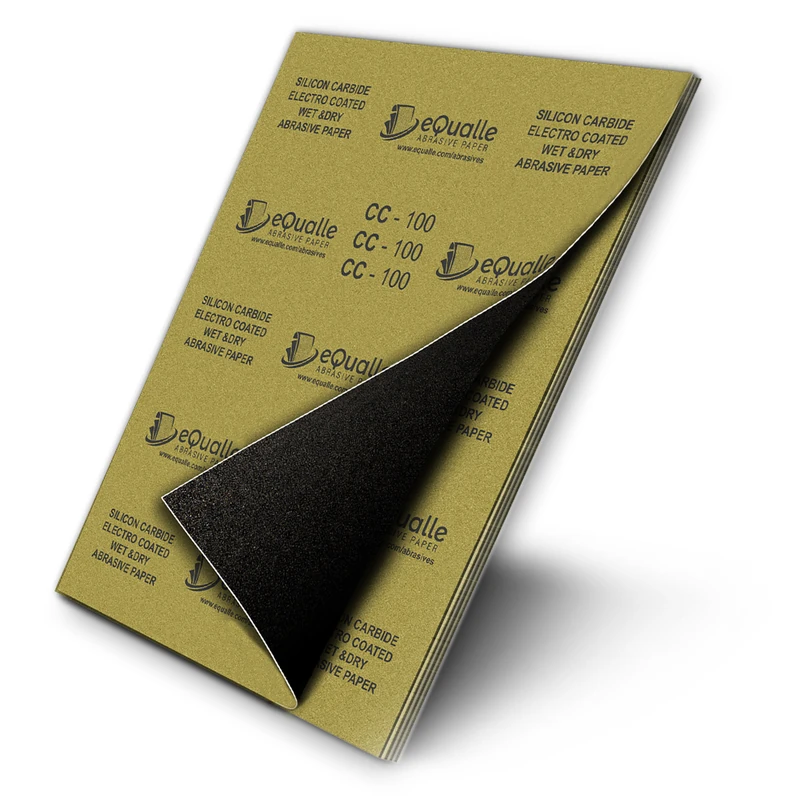
320 Grit Sandpaper Sheets (25-pack) — 9x11 in Silicon Carbide Abrasive for Wet or Dry Use — Precision finishing grit that enhances clarity between paint or lacquer coats, ensuring a flawless final layer. (Professional Grade).
Frequently Asked Questions (FAQ)
Q: What grit should I use between coats on trim paint?
A: Use 320–400 grit. Start at 320 for typical waterborne enamels and move to 400 for harder, glossier finishes. The goal is to de-nib and create a uniform, silky tooth without visible scratches.
Q: How much pressure is right when using a sanding sponge?
A: Very light—just enough to glide the sponge and feel it contact the surface. If you see white dust loading fast or burn through on edges, you’re pressing too hard. Two to four gentle passes beat one heavy-handed grind.
Q: Can I reuse an extra-fine sponge for trim?
A: Yes. Knock out dust frequently and rinse with warm water for waterborne residues. Keep separate sponges for oil and waterborne systems, label grits, and store in a clean bin to prevent cross-contamination.