
Pole Sander Drywall: Stop Leading Edge Digging
You flick on a work light and the room turns honest. Lines you couldn’t see at noon now telegraph across the walls—faint ridges at seams, shiny scuffs at butt joints, a few dull scratches where you pressed too hard yesterday. You grip your pole sander and feel that familiar mix of optimism and caution. There’s satisfaction in the rhythm—long passes, gentle pressure—but there’s also the pitfall that trips so many weekend remodelers and even pros in a hurry: the leading edge digs in, gouging the paper or carving a shallow trough you can only see when the paint dries. That’s the moment it helps to slow down and think in systems. The tool, the abrasive, your stance, and the path you take across the wall all decide whether you finish with glassy planes or a patchwork of fixes. If you’re here to master pole sander drywall technique, you’re in good company. Together we’ll tame that swivel head, set the pole to work for you instead of against you, and trade guesswork for predictable results. With a few small changes—angle, pressure, grit—you can swap frustration for the quiet, confident glide of a sander that never catches an edge. And when a mistake happens (it will), you’ll know exactly how to repair it so it disappears under primer and light.
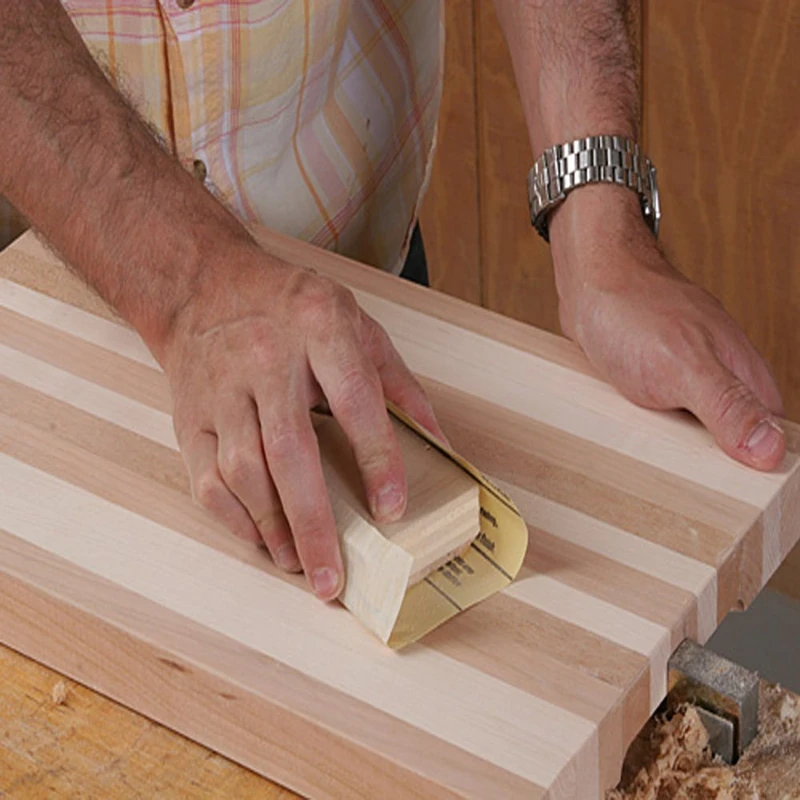
Quick Summary: Keep the sanding head flat, bias pressure toward the trailing edge, choose the right grit and pad, and use long, overlapping strokes to prevent leading edge digs.
Why the sander’s edge digs
A pole sander is a lever with a swiveling head—great for reach, unforgiving with angles. Leading edge digging happens when the forward edge of the sanding head carries more pressure than the trailing edge. The usual culprits are a steep pole angle, an uneven head (no interface pad), worn or clogged abrasive, and starting or stopping on the wall instead of off the work. Compound ridges and feathered seams amplify the problem: if your first contact is a high spot, the edge wants to “climb” and bite.
Three dynamics to watch:
- Angle: The steeper the pole relative to the surface, the more you load the leading edge. A shallow angle keeps the head neutral and flat.
- Swivel bias: The head wants to tilt toward the push. If you push upward, it cocks and transfers weight to the top edge; if you pull down, it shifts to the bottom. Either way, uncorrected swivel equals edge pressure.
- Abrasive behavior: When paper or mesh loads up with dust, you press harder without realizing it. That extra force concentrates at the edge and scratches through paper quickly.
Focus on neutrality. Think “float the face,” not “drive the edge.” Start strokes with the sander already moving so it touches the wall in motion, not from a dead stop. Keep your eyes a few feet ahead of the head—like steering a bike—and use a raking light to reveal whether you’re removing highs evenly. If you notice a “snowplow” of dust building at the front edge, you’re loaded and digging; pause, clean or change the abrasive, and reset your angle before continuing.
Setup and stance for pole sander drywall
Small adjustments in setup make the biggest difference in control and edge safety. Begin with pole length: set it so your elbows are slightly bent with the head resting mid-wall. Too long and you’re forced into steep angles; too short and you hunch, losing feel. Stand with feet shoulder-width apart and your dominant foot a half-step back. This stance lets you shift weight through your hips, not your wrists.
Now tune the head and pole angle. Hold the pole so it’s nearly parallel to the wall or ceiling—think 10–15 degrees off the surface, not 30–45. That shallow angle spreads pressure across the whole pad. Then bias your push or pull so the trailing edge does most of the cutting:
- On upward passes, pull slightly so the bottom (trailing) edge stays engaged while the top floats.
- On downward passes, push lightly so the top becomes the trailing edge and the bottom floats.
Hand placement matters. Keep your rear hand on the handle end for balance and your front hand about a third of the way up the pole. The forward hand sets angle; the rear hand meters pressure. If the head chatters or spins, you’re steering with your back hand—move that front hand up until the head stabilizes.
Three stance-and-setup tips:
- Preload the swivel: Before each stroke, micro-tilt the head so the trailing edge has a whisper more contact than the leading edge—barely perceptible, just enough to keep the front from catching.
- Use an interface pad: A thin foam pad between the head and abrasive evens pressure and dramatically reduces edge digs.
- Work with raking light: Place a bright light low and to the side, then sand in the opposite direction of the shadow to see edges before they bite.
Choose the right head, grit, and pad
The right combination of sanding head, abrasive, and backing pad is your built-in insurance against leading edge gouges. Traditional rectangular heads are familiar and good for flats, but their corners are literal dig points. Round or oval heads (often called “radius” sanders) remove those corners and glide over seams without catching, making them a prime choice when you’re fighting edge marks. Pair either style with a compliant interface pad—2–5 mm of foam—to distribute pressure and conform to subtle highs without slicing into paper.
Abrasives matter as much as technique. For most taped and sanded drywall:
- First pass: 120–150 grit to knock down ridges and shape seams.
- Second pass: 180–220 grit to refine and prep for priming.
- Touch-ups: 220–240 grit to blend patches or polish feathered edges.
Mesh screens resist loading and pair well with vacuum pole sanders, but they cut aggressively at edges when new. Stearated drywall papers and net abrasives with dust extraction offer a gentler bite. Whatever you choose, change sheets the moment they cake—loaded abrasives skate, then grab.
According to a article, cleaning dust before priming is essential to avoid adhesion problems; the same mindset applies mid-sanding—stop often, brush off the head, and keep your grit cutting cleanly.
Three selection tips:
- Use fresh abrasive on seams, worn sheets on wide flats; the duller cut is kinder to edges.
- If you must use a rectangular head, round off the paper’s corners with scissors to reduce catch points.
- For ceilings, prioritize a round head with vacuum attachment; the suction steadies the head and prevents edge chatter.
Stroke patterns that prevent gouges
A good pattern reduces the chance your leading edge ever meets a sharp ridge. Think long, overlapping, and diagonal. On tapered seams, work in a shallow X pattern: two to three diagonal passes left-to-right, then right-to-left, feathering beyond the joint by 6–10 inches. This crosshatch blends highs without forming a trough. On butt joints (the flattest and trickiest), keep strokes wider than the joint—if the joint is 12 inches, make your sanding path 20 inches—to avoid creating a visible crown.
Key habits to groove:
- Don’t start on the wall. Begin moving the head in the air and glide onto the surface mid-stroke; end your stroke by gliding off the wall. Starts and stops are where edges bite.
- Keep the head moving at a walking pace—imagine tracing a slow wiper blade. If dust piles up at the front or you hear a squeal, you’re lingering and loading the edge.
- Feather edges with lighter pressure. As you approach corners, outlets, or bevel transitions, ease off to keep the leading edge floating.
Use a pencil as your guide. Lightly scribble tic-marks across the area you plan to sand. Make passes until the pencil marks just disappear evenly; stop immediately. This prevents oversanding, which invites aggressive rework that increases edge risk. For ceilings, shorten your strokes to maintain control and alternate directions every pass to keep the swivel from biasing one edge. Around inside corners, stop 1–2 inches shy and switch to a handheld sanding block—pole heads don’t belong in corners, where edges can shred paper in a blink.
Three pattern tips:
- Overlap strokes by one-third for even removal and fewer edge transitions.
- Work from the highest compound ridges outward, not across multiple seams at once.
- Clean, inspect, then move on; divide each wall into zones to avoid resanding hot spots.
Fixing mistakes and finishing clean
Even with care, a leading edge nick or shallow trough can sneak through. The fix is simple if you catch it before priming. First, stop sanding the damaged area—more abrasion can fluff paper or widen the gouge. Brush or vacuum dust, then seal any torn paper with a quick-dry sealer or thinned PVA to prevent bubbling. Once dry, fill the defect with lightweight all-purpose joint compound using a 6–8 inch knife. Apply in two thin coats instead of one thick fill; feather each coat 4–6 inches beyond the flaw. Let it dry fully, then sand with 180–220 grit using ultra-light pressure and an interface pad.
For shallow troughs you created along a seam, widen your repair. Skim a thin coat across the entire low area, not just the center, and feather to the surrounding flat with a 10–12 inch knife. Check your work with raking light and a straightedge if needed. After sanding, always vacuum or wipe with a barely damp microfiber cloth—never a wet rag that can raise the paper nap.
Dust management and final checks:
- Use a vacuum pole sander or attach a shop vac with a HEPA filter; less dust means clearer feedback and fewer pressure spikes.
- Prime with a dedicated drywall primer (PVA). Primer reveals scratches and low spots you can still correct with a quick sand and micro-fill.
- Walk the room under different lighting—work light, daylight, and a handheld flashlight at a sharp angle. Mark any issues with pencil and address them immediately.
Three repair-and-finish tips:
- If you expose brown paper, seal before compound to stop blistering.
- For hairline scratches, a damp sponge can melt and smooth fresh compound without sanding.
- Switch to 220–240 grit for the final pass on patches to blend edges invisibly.
Drywall Sanding Poles — Video Guide
If you’re deciding between different pole sanders, a helpful walkthrough compares three common designs and explains where each shines. It covers traditional rectangular heads, round “radius” styles, and dust-collecting options, highlighting how swivel action, head shape, and suction influence control and surface quality.
Video source: Drywall Sanding Poles 101
240 Grit Sandpaper Sheets (100-pack) — 9x11 in Silicon Carbide Abrasive for Wet or Dry Use — Light refinement grit that blends sanding marks and smooths primer layers. Perfect for wood, resin, or plastic before lacquer application. Produces consistent scratch patterns and controlled results when used wet or dry. (Professional Grade).
Frequently Asked Questions (FAQ)
Q: What angle should I hold the pole to avoid leading edge digging?
A: Keep the pole nearly parallel to the surface—about 10–15 degrees off the wall or ceiling—and preload the head so the trailing edge carries slightly more contact than the leading edge.
Q: Is mesh or paper better for preventing gouges?
A: Both can work, but mesh cuts more aggressively at edges when new. If you struggle with digging, use drywall-specific paper or net abrasives with a thin foam interface pad and change them as soon as they load.
Q: What grit should I start with on taped drywall?
A: Begin with 120–150 grit to shape seams and knock down ridges, then finish with 180–220. For touch-ups or blending patches, use 220–240.
Q: How do I avoid digging near inside corners and trim?
A: Stop the pole 1–2 inches before the corner and switch to a handheld block or sanding sponge. Lighten pressure as you approach edges and use shorter, controlled strokes.
Q: I made a shallow trough along a seam—how do I fix it?
A: Seal any exposed paper, then skim a thin coat across the entire low area, feathering wide. After it dries, sand lightly with 180–220 grit using an interface pad, and recheck under raking light before priming.