
Plastic Oxidation Removal: Best Starting Grit for Headlights
Dusk settles in as you head home, and the road feels a little less certain than it should. Streetlights blur, reflective signs look muted, and a quiet doubt creeps in: are your eyes tired—or are your headlights dimming the truth? You park and lean in. The lenses that once looked bright and crisp are now yellowed, streaked, and cloudy. It’s not just an eyesore. It’s a safety risk you can feel in your stomach when a curve appears late or rain starts to fall. And while it’s tempting to buy a quick-fix kit, you’ve heard the stories: a temporary glow that fades in weeks, or worse, sanding gone wrong that leaves the lens scarred.
This is where careful craft meets confidence. With the right approach to plastic oxidation removal, you can restore clarity—safely and for the long run. Headlight lenses are polycarbonate, a tough plastic that reacts to UV light and road wear. Over time, the factory UV coating degrades, turns chalky, and the surface oxidizes. The clarity you want is underneath that dead layer. The task is less about “polishing magic” and more about controlled leveling—choosing the correct starting grit, refining in measured steps, and sealing your work against the sun.
Maybe it’s a Saturday project, masking tape at the ready, a bucket of water, and a small stack of wet/dry papers you’ve never used before. Or perhaps you’ve restored a dozen sets and want to dial in your process for severely oxidized lenses. Either way, consistency beats speed. This guide shows you exactly where to start and how to finish so your next night drive feels clear, calm, and confident again.
Quick Summary: Start severely oxidized headlights at 400 grit (320 only if necessary), refine through 600–800–1000–1500–2000–3000, then polish and apply a UV-stable coating.
Diagnose the Damage Before You Sand
The smartest headlight restoration begins before the first stroke. Diagnosis prevents over-sanding and wasted effort. Start with a thorough wash using car shampoo or an all-purpose cleaner to remove grime, bugs, and old wax. Dry fully. In bright light, inspect from multiple angles.
Look for three things:
- Color and texture: Yellowing and a chalky matte film indicate surface oxidation. Patches of remaining gloss suggest the factory UV coating is still partially intact.
- Structural issues: Crazing (fine internal cracks), deep chips, or heavy pitting from highway debris. If crazing is widespread, sanding may not fix clarity; replacement could be safer.
- Uniformity: Oxidation that’s even across the lens is straightforward. Patchy degradation requires a more careful blend to avoid halos.
Use the fingernail test: catch your nail on scratches or pits? If they’re deep enough to feel distinctly, you’re dealing with more than simple haze, and you’ll likely need a coarser starting grit. Another cue is the “matte test”: Lightly scuff a 1-inch square with a used piece of 1000 grit. If a quick pass removes the yellowing, your starting grit can be milder (600–800). If the spot remains stubbornly discolored or glossy islands persist, prepare to begin coarser (400).
Finally, consider lens history. Aftermarket or previously restored headlights can have thin remaining material. Edges are especially vulnerable. Mark surrounding paint with 1–2 layers of quality painter’s tape, and add an extra strip on sharp lens corners. Having a plan here—what you’ll sand, what you’ll stop for—may be the difference between a crisp, even finish and a costly replacement.
Choosing a Starting Grit for Severe Cases
The right starting grit is the foundation of a successful restoration. For severe oxidation—thick chalky buildup, heavy yellowing, or deep weathering—start with 400 grit. It cuts efficiently without tearing deep grooves that are hard to remove later. Only step down to 320 grit if 400 fails to achieve a uniform matte after a few controlled passes; 320 is aggressive and should be used sparingly, with a sanding block to keep your cut flat and even.
Wet sanding keeps paper from clogging and helps control heat, but for the initial cut on extreme oxidation, some pros prefer a brief, careful 400-grit dry pass to break the top layer, then switch to wet. Both methods can work—what matters is consistency:
- Keep pressure light and even; let the grit, not your arm, do the work.
- Sand in a crosshatch pattern (horizontal, then vertical), overlapping 50%.
- Wipe often. When the slurry turns from yellowish to gray-white and the surface looks uniformly matte (no glossy islands), you’re ready to refine.
Recommended grit progression for severe oxidation:
- 400 (starting cut; 320 only if needed, then return to 400)
- 600
- 800
- 1000
- 1500
- 2000
- Optional: 3000 foam disc for a near-polish finish
Each step should fully remove the scratches from the previous grit before moving on. Rushing this part is the most common cause of lingering haze after polishing. Keep each paper fresh; a worn sheet behaves like a finer grit and slows you down in deceptive ways.
Maintain a cautious mindset: you’re removing degraded material, not reshaping the lens. If edges or corners are thinning, reduce passes there and bias your strokes toward the center. Consistent inspection under a strong, raking light is your quality control.
Surface Control in plastic oxidation removal
Precision in plastic oxidation removal depends on surface control—technique, tools, and feedback. Use a flexible foam sanding block or interface pad behind your paper or discs. Bare fingers create pressure ridges that leave valleys you’ll chase for the rest of the job. Always mask paint and rubber thoroughly; a single slip with 400 grit can leave a memorable mark.
Work small sections—think postcard-sized areas—so you can monitor uniformity. After the starting grit establishes a flat, even matte, subsequent grits should require fewer passes. If you need more than a couple of minutes per step per headlight at 600–1000, you likely didn’t complete the prior stage. Revisit it rather than fighting micro-haze later.
Water management matters. For wet sanding, add a drop of dish soap to your spray bottle. It reduces friction and helps keep debris suspended. Replace water when it looks murky. For dry passes, vacuum or wipe the surface frequently, and avoid building heat with prolonged rubbing.
Tool options:
- Hand sanding: Maximum control, least risk to edges. Recommended for beginners and complex shapes.
- Dual-action (DA) sander, 3-inch with soft interface: Speeds up refining steps (1000–3000) if you already have uniformity from hand sanding. Keep speed low, pad flat, and time short.
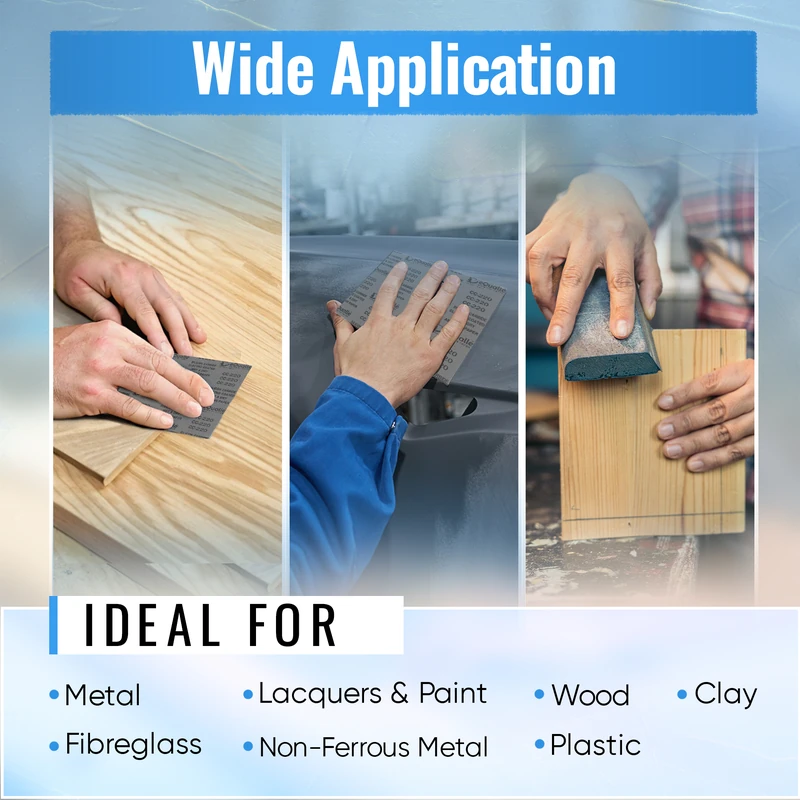
There’s no prize for finishing fast. The prize is a perfectly even surface that polishes to optical clarity. If you’re unsure about your progress, mark the lens with a light crosshatch of painter’s pencil before sanding. When the marks vanish uniformly, you’ve sanded evenly. According to a article
Refine, Polish, and Protect for Clarity
Once the heavy lifting is done, refinement and protection lock in the result. After 1500–2000 grit, many lenses already look clearer when wet. That’s a good sign you’re ready to polish. If you have 3000 foam discs, they bridge the gap and make polishing faster and easier.
Polishing steps:
- Compound: Use a dedicated plastic-safe compound or a modern cutting compound with a microfiber or foam cutting pad. Work in short sets, low to moderate speed, and keep the pad flat. Wipe and inspect. Repeat until uniform clarity emerges.
- Finishing polish: Switch to a fine polish with a soft foam pad to remove micro-marring. Keep the lens clean—spent polish and dust can reintroduce haze.
Degrease with isopropyl alcohol (IPA) to remove polish oils. This is crucial: coatings don’t adhere well to oily residue.
Protection options:
- 2K clear coat (aerosol, two-part): The most durable DIY option, closely mimics OEM UV protection. Use in a well-ventilated area with proper PPE (respirator rated for isocyanates, gloves, eye protection). Apply 2–3 light coats, then one medium coat, respecting flash times.
- UV-stable headlight coating or ceramic with UV absorbers: Easier to apply, safer, and effective when maintained. Follow manufacturer instructions and reapply as recommended.
- Automotive film (PPF): Professionally installed UV-resistant film shields against debris and sun; great for vehicles that see heavy highway miles.
Skipping protection is the number one reason “restored” headlights re-haze quickly. UV light is relentless. A properly applied coating can hold clarity for one to three years (or longer with 2K clear), especially if you wash regularly and avoid harsh chemicals.
Pro Tips, Safety, and Common Mistakes
A few targeted techniques elevate results from “better” to “best,” while reducing risk.
Actionable tips:
- Use a sanding block every time: Even pressure equals fewer deep spots and faster refinement.
- Track progress by zones: Divide the lens into quadrants and complete each grit fully before moving on; this reduces backtracking.
- Timebox your coarse passes: If 400 grit isn’t yielding a uniform matte in 3–4 minutes per lens, reassess your pressure and coverage before jumping to 320.
- Mix a soapy spray: Distilled water plus a drop of dish soap improves glide and visibility of the slurry color change.
- Finish edges first, then blend: Give edges a few controlled passes at each grit, then complete the center; this prevents over-thinning corners.
Safety essentials:
- Mask surrounding paint and trim. Double up tape on sharp corners.
- Wear gloves, eye protection, and a respirator—especially if dry sanding or spraying 2K clear.
- Keep electricity away from wet work areas; unplug polishers when not in use.
Common mistakes to avoid:
- Starting too fine on severe oxidation: 1000 grit won’t cut a thick, dead layer efficiently; you’ll exhaust yourself and still see haze.
- Skipping grits: Each step should erase the last. Missing one often leaves ghost scratches you can’t “polish out.”
- Overheating while polishing: Heat can warp plastic or bloom it. Use moderate speed, short sets, and clean pads.
- Ignoring UV protection: Uncoated lenses can re-oxidize in weeks.
- Using household solvents: Acetone, lacquer thinner, or gasoline can craze or cloud polycarbonate permanently.
When in doubt, do a small test patch near the bottom edge. It’s your low-risk lab for confirming the starting grit and progression before committing to the full lens.
How To Clean, — Video Guide
If you prefer to learn by watching, this concise video walks through cleaning, polishing, and restoring hazy polycarbonate headlights step by step. It shows how UV exposure fades the plastic and demonstrates a safe path back to clarity without harsh shortcuts.
Video source: How To Clean, Polish & Restore FOGGY Car Headlights Back To Clear!
1000 Grit Sandpaper Sheets (100-pack) — 9x11 in Silicon Carbide Abrasive for Wet or Dry Use — Light polishing grit for removing swirl marks and fine scratches. Commonly used in automotive finishing, plastic restoration, and resin art. Delivers a consistent semi-gloss surface ready for final polish. (Professional Grade).
Frequently Asked Questions (FAQ)
Q: What grit should I start with for severely oxidized headlights?
A: For severe oxidation, begin at 400 grit. If a few careful passes don’t produce a uniform matte, drop briefly to 320, then return to 400 and proceed through 600–800–1000–1500–2000 (and optionally 3000) before polishing and coating.
Q: Is wet or dry sanding better for the first step?
A: Wet sanding controls clogging and heat, which is safer, but a short, careful dry pass at 400 can quickly break through heavy crust. Many DIYers start wet at 400, while pros may start dry for 30–60 seconds, then switch to wet for control.
Q: Why does my lens still look hazy after polishing?
A: Residual haze usually means a skipped or incomplete sanding step. Go back one grit, re-establish a uniform matte, and work forward again. Also ensure you’re using a clean pad, suitable compound, and finishing polish, followed by an IPA wipe and UV-stable coating.
Q: How long will the restoration last?
A: With a proper UV-stable coating, expect 12–24 months or more, depending on climate and maintenance. A 2K clear coat can last several years. Without protection, oxidation often returns within weeks or months.
Q: Can toothpaste or baking soda fix severe oxidation?
A: They can brighten lightly hazed lenses temporarily but lack the cut for severe oxidation and provide no durable UV protection. For lasting results, use a proper sanding progression, polish, and a UV-stable coating as outlined above.