
Between Coats Sanding: Recoat Timing for Smoothness
A late Saturday in the shop: coffee gone cold, radio low, a cherry dresser glowing under the last coat you laid an hour ago. You slide a hand across the panel and feel tiny bumps—dust nibs that weren’t there when the brush left its path. That’s the moment between coats sanding becomes not just a step, but a craft decision. Do you scuff now? Wait until morning? How long after sanding can you recoat without trapping problems under the next film? If you’ve ever rubbed your thumb and index finger together, thinking about grit and timing more than music and coffee, you’re my kind of finisher.
I’ve been in that quiet, anxious gap countless times—when the finish is tack-free but you’re not sure it’s ready, when you’re tempted to “just get another coat on” to see the gloss jump. I’ve rushed it and paid for it with witness lines, dull patches, or a pebbly feel that took more work to fix than I saved. And I’ve also waited too long and lost the chemical bond, forcing extra sanding that thinned edges I wanted to keep crisp.
Here’s the truth the shop will teach you if you listen: the right recoat timing after sanding isn’t a guess; it’s a repeatable process that hinges on the type of finish, the room conditions, your sanding method, and a couple of tactile tests that never lie. Dial those in, and your pieces will progress coat by coat—flatter, cleaner, richer—until the final rub-out is more celebration than rescue mission.
This guide gives you the steps I use personally: how to read tack levels, how to sand for adhesion without over-leveling, what grit pairs best with shellac versus waterborne poly, how humidity and temperature shift your clock, and exactly when to lay the next coat after a scuff so it fuses smooth. Whether you’re spraying lacquer or wiping oil poly, you’ll walk away with a timing routine that makes the next coat look inevitable.
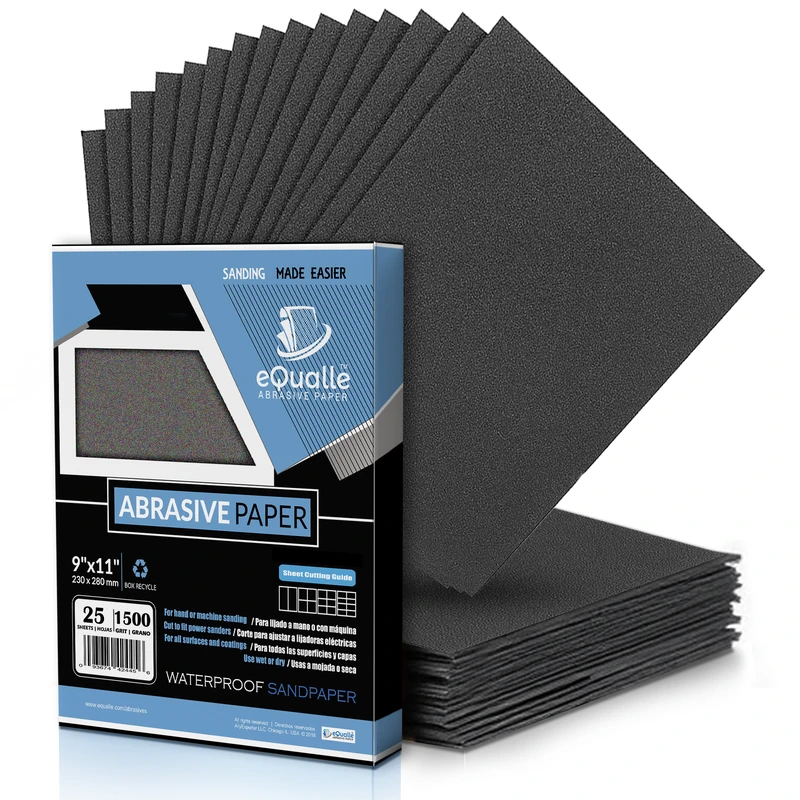
Quick Summary: Sand only when the last coat powders cleanly, remove every speck of dust, then recoat as soon as the surface is dry and within the product’s recoat window for a strong bond and a silky feel.
Read the finish and the room
Every finish has a voice, and the room gives it a megaphone. Before you touch sandpaper, read both. Start with the last coat you applied. Tap a knuckle on a test board or a hidden edge: does it sound rubbery or crisp? Drag a finger pad lightly across the surface: does it squeak with dry friction or feel the least bit tacky? If it galls under your fingertip, don’t sand yet. You want “powder, not peel” when you hit it with an abrasive.
Room conditions tilt the schedule. Waterborne finishes slow down in high humidity and cooler temps; oil-based products crawl when the air is cool and still. A simple rule of thumb: for every 10°F drop from 70°F, expect roughly double the dry time. And watch dew point. If your surface or the air temp is within 9°F (5°C) of the dew point, moisture can condense and haze the film or kill adhesion. When in doubt, wait or add gentle airflow and warmth.
Lay out a timing plan before you start a project: note the product’s stated recoat window and plan coat times to stay inside it. Get yourself a cheap digital hygrometer/thermometer and a timer. On a dedicated scrap panel finished side by side with your piece, try the “powder test” before each sanding: hit it with your chosen grit. If it clogs or smears, it’s too soon. If the dust is dry and fine, you’re good.
Pro tip I use on every job: keep your abrasives matched to the film softness. Fresh, softer coats need higher grits and lighter pressure. As the film builds and hardens, you can step down a notch in grit for faster leveling without leaving tracks.
The recoat window, finish by finish
Recoat timing is a dance between chemistry (coats melting into one another) and mechanics (the scratch pattern you create for adhesion). Here’s how I set expectations by finish type:
Waterborne polyurethane and acrylic: Recoatable fast—often 2–4 hours at 70°F/50% RH. Inside that window, sanding can be optional for adhesion, but I still denib with a fine pad if I’m chasing perfection. Outside the window (say after 8–12 hours), a light scuff with 320–400 grit improves bonding. After sanding, ensure it’s dust-free and totally dry before the next coat.
Oil-based polyurethane/varnish: Slower and slicker. Typical recoat 8–12 hours; sometimes 24 depending on build and temp. If you miss the stated window, scuffing is mandatory. Oil finishes will gum if you sand too soon—wait until they truly powder. After a mineral-spirits wipe, let it flash off fully (30–60 minutes) before recoating.
Lacquer: Fast and forgiving. Coats melt into each other over a wide window, so sanding is optional if you’re inside an hour or two. For leveling dust nibs or orange peel, 320–400 grit on a foam interface is excellent. Because of lacquer’s solvent bite, ensure any cleaning solvent has completely evaporated before the next pass.
Shellac: Quick to sand and recoat (30–60 minutes per coat). It powders beautifully. Use light pressure and 320–400 grit; avoid aggressive wipes with alcohol before recoating because you can smear or partially dissolve the coat.
Conversion varnish and catalyzed finishes: Follow the tech sheet precisely. Windows are narrower and chemistry pickier. When in doubt, scuff for insurance.
Whenever a product label conflicts with a rule of thumb, the label wins. Build a small test schedule on scrap to confirm your shop’s real-world timing—manufacturers publish times for ideal conditions that aren’t always your reality.
Smart between coats sanding for flawless build
Here’s how I approach between coats sanding for a flat, silky result without overworking the film.
Choose the right abrasive: I reach for 320–400 grit stearated paper for most scuff sanding; it resists loading and cuts clean. On delicate films or final leveling, 600–800 grit or a gray/white nonwoven pad keeps you safe. For broad flats, a soft sanding block or a foam interface under your sander maintains contact without digging.
Sand technique: Light pressure, even strokes. If you’re hand sanding, work with the grain on the last few passes. With a random-orbit sander, slow the speed a notch and keep it moving—let the paper do the work. Two to three passes is plenty for a scuff; you’re not shaping, you’re bonding and denibbing.
Check your progress: Use a raking light. The sheen should turn uniformly dull. Glossy pinpoints after a pass are dust nibs or low spots—hit them lightly until they disappear or accept them if you’re still building film.
Clean thoroughly: Vacuum with a brush attachment, then follow with a microfiber wipe. For oil-based finishes, a light wipe with mineral spirits can lift residual dust; give it 30–60 minutes to flash. For waterborne, use a water-dampened cloth or a recommended solvent-free tack cloth; allow 10–15 minutes to dry. Avoid silicone-laden wipes or strong solvents that can soften the film.
Avoid edge burn-through: Edges and profiles carry less film. Wrap your paper around a soft pad and ease the pressure, or switch to a nonwoven pad for contours.
Some finishers skip sanding entirely if they’re layering within the wet-on-wet recoat window and the surface is clean. According to a article, even experienced pros sometimes rely on thin coats and tight timing to avoid brush marks and extra steps. That approach can work, but if you feel bumps or see nibs, a gentle scuff is the fastest path to a truly smooth final build.
Recoat timing after the scuff
You’ve sanded. Now the clock restarts, and the next coat’s success depends on how you manage the gap between sanding and finish application.
After dry sanding: Once the surface is uniformly dull and dust-free, you can often recoat immediately—provided you’re still inside the product’s recoat window. Practically, there’s a short pause for dust to settle (I like five minutes with the shop fan off), then a final microfiber pass. Any cleaning step that adds moisture or solvent changes the wait.
After a solvent wipe (oil-based): If you used mineral spirits to pick up dust, wait until the surface is bone dry and odor has dissipated—30–60 minutes is a safe range at 70°F. Touch with the back of your hand: it should feel like bare wood, not cool or slick. If you rush this, trapped solvent can blister or slow cure.
After a damp cloth (waterborne): A light water wipe helps with static and dust, but you must let it evaporate fully. In normal room conditions, 10–15 minutes does it. If the surface still feels cool to the touch, give it longer.
Between wet-sanding passes: If you choose to level with wet sanding (more common on hard, cured films), you must allow complete drying before recoating—think hours, not minutes. I generally reserve wet sanding for post-cure polishing, not mid-build coats, to avoid moisture entrapment.
Finish-specific timing after sanding:
- Waterborne: Recoat as soon as the surface is dry and dust-free. If you’re outside the no-sand window, the scuff provides the scratch you need, and laying the next coat within an hour of sanding minimizes contamination risk.
- Oil-based: Patience pays. After sanding and wiping, 30–60 minutes of solvent flash ensures a clean bond. If you’re at the far edge of the recoat window or beyond, the scuff is mandatory and the wait slightly longer after cleaning is wise.
- Lacquer: Because of solvent reflow, you can recoat soon after a dust-free scuff—often within minutes. Just be sure there’s zero solvent or stearate residue.
Key shop habit: prep your next coat materials before you sand. That keeps the “sanded-to-coated” interval tight, which reduces dust landing and improves the chemical handshake between layers.
Troubleshooting and pro shop tips
Most finish flaws trace back to either sanding too soon, recoating over contamination, or missing the product’s bonding window. Here’s how I prevent and fix the big ones.
Nibs keep coming back: If dust nibs reappear every coat, you’re kicking dust into the air right before finishing. Vacuum and wipe, then stop moving. Turn off fans while you apply; restart gentle filtered airflow after 10 minutes to carry solvents away without stirring debris. Consider a clean, dedicated finish room or a portable booth. A light misting of the floor with water (not under the piece) can pin dust.
Gumming sandpaper: You sanded too early or the room is cold. Wait until the finish powders, warm the space 5–10°F, or use a dehumidifier for waterborne. Switch to a fresh, higher-grit abrasive and test on your sacrificial panel first.
Dull patches after recoating: Likely contamination or incomplete solvent flash. Wipe with the correct cleaner (no silicone), let fully dry, and recoat. For lacquer fisheyes, use a cleaner made for lacquer systems; avoid stearate-heavy papers if residue has been a problem and increase your cleaning diligence.
Witness lines at edges: You sanded through a layer and then applied a non-melting finish on top. Feather-sand the area wider with higher grits and apply additional thin coats, aiming for melt-in products (like lacquer or shellac) to blend if appropriate. Long-term, reduce pressure at edges and pre-build them with extra early coats.
Actionable tips I use daily:
- Keep a grits-and-windows card: Note product, room conditions, grit used, and actual recoat time. Pin it near your sanding station.
- Use a guide coat: A light mist of wax-free sanding sealer or rattle-can finish over a cured coat makes highs/lows obvious during leveling. Stop when the mist dulls uniformly.
- Ground your work: Wipes with a barely damp microfiber reduce static on waterborne finishes, cutting dust attraction by half in my experience.
- Pre-filter the air: Run an air cleaner or box fan with a furnace filter for 30 minutes before finishing, then shut it off five minutes before you lay the coat.
- Brown paper trick: For tiny nibs on a near-final coat, a folded brown paper bag used like ultra-fine sandpaper de-nibs without changing sheen drastically.
Improper sanding between — Video Guide
If you prefer to see technique in motion, there’s a solid walkthrough on how to avoid the most common mistakes when sanding between coats and how to get that silk-smooth result. It breaks down grit choices, how much pressure to use, and what a properly dulled surface should look like before you recoat.
Video source: Improper sanding between coats of finish- HOW TO AVOID IT!
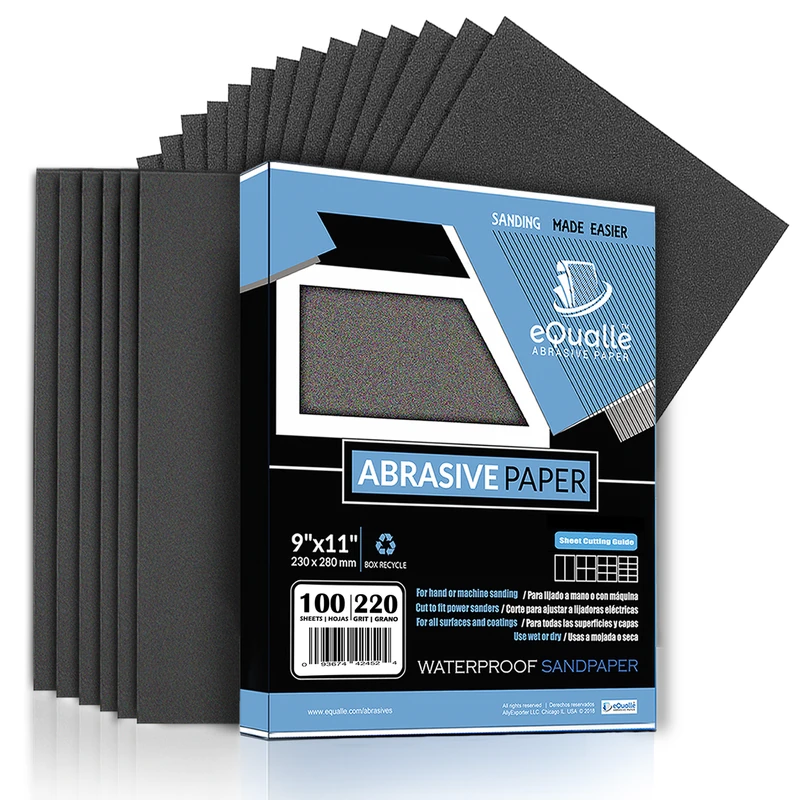
320 Grit Sandpaper Sheets (50-pack) — 9x11 in Silicon Carbide Abrasive for Wet or Dry Use — Precision finishing grit that enhances clarity between paint or lacquer coats, ensuring a flawless final layer. (Professional Grade).
Frequently Asked Questions (FAQ)
Q: How long should I wait to recoat after between coats sanding with waterborne poly?
A: Once the scuffed surface is dust-free and completely dry to the touch, you can recoat right away, ideally within an hour of sanding and still inside the product’s stated recoat window.
Q: What grit is best for sanding between coats of oil-based polyurethane?
A: Use 320–400 grit with light pressure. After sanding, wipe with mineral spirits, let it flash 30–60 minutes, then recoat. If the paper gums, wait longer before sanding.
Q: Do I have to sand between coats if I’m inside the recoat window?
A: Not always. Many finishes allow no-sand recoats within their window. However, a quick denib with a fine pad improves smoothness, especially if you feel bumps or see dust.
Q: Why does my finish feel rough after recoating, even though I sanded?
A: Likely airborne dust or incomplete cleaning. Vacuum, use a microfiber wipe, let the room go still for five minutes, and apply the coat. Consider an air cleaner to reduce dust.
Q: Can I wet-sand between coats to speed leveling?
A: I don’t recommend it mid-build. Moisture can get trapped and extend dry times. Save wet sanding for fully cured films during final rub-out and polishing.