
Clean Pads Between Sets with Polishing Sandpaper
Saturday morning, a beam of cool light falls across your workbench. The garage is quiet but for the steady hum of a dual-action polisher and the occasional hiss of compressed air. You’ve taped off a test panel on your car’s hood after washing and claying, hopeful for that deep, liquid shine. The first pass brightens the paint instantly. The second looks almost as good. Then—somewhere around the third set—the gloss flattens. You’re pressing the pad harder, chasing clarity that just isn’t coming. The finish looks hazy, like someone breathed on a mirror.
It’s frustrating, and it happens to everyone. The culprit isn’t your technique or your compound—it’s your pad. It’s full of spent abrasive, residue, and tiny particles of paint or dust. Cleaning it between polishing sets is the simplest, highest-leverage move you can make to regain control. In fact, the basic rhythm of pad care is no different from stepping methodically through polishing sandpaper grits: clear the old, refine to the new, and keep every step consistent.
Whether you’re cutting through orange peel on a clear coat, refining a concrete or granite surface, or chasing the last bit of haze on a gloss guitar finish, the moment you learn to “reset” your pad between sets is the moment your work becomes repeatable. Less heat, fewer micro-mars, and a finish that builds predictably from pass to pass. You stop fighting your tools and start directing them.
That’s the small, satisfying secret behind masterful polishing: the outcome rises or falls on tiny habits. A quick brush, a short blast of air, a rinse and spin—it doesn’t take much. But done at the right time, with the right method, it turns inconsistency into clarity, and inconsistency into craft.
Quick Summary: Clean pads between polishing sets to remove residue and restore cut, pair your pad choice with a smart polishing sandpaper progression, and use simple, repeatable methods to keep your finish consistent.
Why Pad Cleaning Changes Your Finish
Pad cleaning affects three things at once: abrasive exposure, heat, and uniform contact. As you polish, liquid abrasives break down and paint or substrate residue accumulates on the pad face. The mixture thickens and “glazes” the pores of foam or mats down the fibers of wool and microfiber. The result is predictable: less effective cut, more heat, and a growing risk of random defects.
When you brush or blow out a pad, you lift and separate the fibers, restoring the pad’s surface geometry so abrasives can work freely again. On foam, cleaning reopens the cells, reducing drag and preventing over-saturation. On microfiber and wool, it refluffs the nap, which dramatically improves how evenly the pad tracks across high and low spots. That evenness matters most when you’re moving from cutting to polishing to finishing steps, where you want the scratch pattern to tighten without introducing new marks.
Heat is the quiet spoiler. A loaded pad builds heat faster, which can soften paint, smear residue, and leave micro-haze that looks dull from certain angles. Regular cleaning reduces friction and helps your polish behave as designed, rather than flash-drying or clumping. It also preserves the pad itself; adhesives and foam degrade far faster when constantly soaked with compound and worked hot.
There’s a safety angle, too. Cross-contamination—bits of earlier, coarser abrasive or debris carried into a finer step—creates tiny, stubborn scratches that refuse to “finish down.” If you’ve ever chased ghosts that reappear after a wipe-down, that’s often the cause. Clean pads between sets break that chain. You protect the clarity you just earned and let each refinement step do its job.
In short, cleaning is not housekeeping; it’s performance maintenance. It keeps your abrasive system honest, your temperature controlled, and your contact uniform—three pillars of a truly consistent finish.
Choosing Pads and Polishing Sandpaper Grits
Pad choice and grit progression are two halves of the same equation. The pad controls contact and mechanical action—how aggressively you cut or how softly you refine—while your polishing compound or polishing sandpaper grit controls how deep and uniform the scratch pattern is at each step. Matching the two is what makes your finish predictable, and it dictates how often (and how thoroughly) you’ll need to clean between sets.
For machine work:
- Wool and microfiber pads cut fastest, clearing defects quickly but loading with residue sooner. Expect to clean them more frequently—often after each section or two.
- Foam pads come in densities from heavy-cut to finishing. Firm foams maintain flatness and resist heat; softer foams conform and finish beautifully but can saturate with product.
For hand work or hybrid workflows, think in grit stages:
- Coarser “cut” steps (e.g., 800–1200 grit sandpaper on hard coatings, or a cutting compound with a microfiber pad) establish flatness or defect removal.
- Mid steps (e.g., 1500–3000 grit, or a polish on a medium foam) tighten the scratch pattern.
- Finish steps (e.g., 4000–8000+ or a fine finishing polish on soft foam) chase gloss.
Sample sequences:
- Automotive clear coat: microfiber cutting pad + compound → medium foam + polish → soft foam + finishing polish.
- Stone or concrete: appropriate diamond pad progression (e.g., 50/100/200/400… through high grits) with periodic pad cleaning and slurry management.
- Acrylic or lacquer finishes: wet-sand 1500/2000/3000 → foam polishing pad + fine polish → ultra-soft foam + jeweling polish.
A useful rule: the faster the pad cuts or the finer the grit you’re using, the more sensitive the system becomes to contamination. That’s why cleaning between sets is non-negotiable. When the pad and grit are in sync, you’ll notice less effort, cooler temperatures, and the pleasant feeling that each pass builds upon the last rather than fighting it.
Cleaning Methods Between Sets
Pad cleaning has two modes: quick “on-the-fly” resets during a job, and deeper cleaning when you switch products or finish a stage. The right method depends on pad type, product, and how quickly the face is loading up.
On-the-fly methods:
- Foam pads: After a section, hold the polisher face-down on a clean microfiber towel, run at low speed, and gently press to wick out residue. Then use a stiff but safe foam brush to lift spent product from the cells. A short burst of compressed air clears the rest.
- Microfiber pads: Use compressed air to blow out the fibers from center to edge while spinning slowly. Follow with a light brush. Avoid saturating with quick detailers; they can over-wet the interface and mute cut.
- Wool pads: Use a wool spur or pad brush at low speed to open the fibers and release residue. Keep pressure light to avoid damaging the nap.
Deeper cleaning between stages:
- Pad washer system: A dedicated bucket with a grate and cleaner solution lets you dunk, agitate, and spin-dry on the machine. This is the fastest way to reset pads without leaving your bay.
- Sink and mild cleaner: Rinse pads in lukewarm water with a dedicated pad cleaner or gentle all-purpose cleaner (diluted). Massage from the face outward, rinse until water runs clear, squeeze, then spin-dry on the machine and air-dry on edge.
- For hand-interface pads used with paper or film, rinse the interface pad and wipe the backing plate clean before the next grit; grit carryover commonly shows up as random deep scratches.
Actionable tips:
- Clean after every 2’×2’ (60×60 cm) section or sooner if the pad feels tacky, drags, or dusts heavily.
- Keep two or three pads of each type in rotation; while one cools/dries, use the next.
- Use compressed air at a safe distance; 30–50 psi is plenty to fluff fibers without tearing.
- If your product begins to sling, the pad is likely over-saturated—stop and clean thoroughly.
Working on stone or concrete? Slurry management is as important as pad care. Squeegee or vacuum the surface between grits to keep the next step honest and to prevent embedded grit. According to a article.
Preventing Clogging and Cross‑Contamination
Even the best cleaning won’t save a workflow that overloads pads or mixes residues. Prevention keeps your cleaning simple and your results consistent.
Key practices:
- Prime, then minimize: Lightly prime a new pad so the entire face is wetted with product, then switch to minimal dots or a thin X. Excess compound saturates foam, mats fibers, and spikes heat.
- Dedicate pads by product: Label pads (marker on the side works) for compound, polish, and finisher. Never bring a compounding pad into a finishing step; a few coarse particles can undo an hour’s work.
- Rotate often: Use at least 3–4 pads per stage. As soon as a pad warms noticeably or looks glazed, swap it out and clean it before reuse.
- Manage your wipe-downs: Between sets, wipe the surface with clean microfibers and, if compatible, a panel wipe or water-diluted isopropyl. This strips oils that might “reload” a freshly cleaned pad on first contact.
- Control dust: Keep the work area vacuumed. If you’re sanding nearby, finish that first. Fine airborne dust settles on pads and turns a perfect finish into a hazy one.
For wet steps—common with high-grit sanding films or stone polishing—use clean water in a sprayer or a controlled trickle. Replace the water when it clouds. If you see “pigtails” (curly scratches) when sanding, stop immediately: the interface pad or the paper likely has embedded debris. Rinse both, wipe the panel, and continue only when the surface and pad are perfectly clean.
Storage matters, too. Let cleaned pads dry thoroughly on edge so air can pass through the cells or fibers. Store them in breathable containers or on a wall rack, not sealed in a plastic bag while damp. That prevents mildew, preserves adhesives, and keeps old residue from hardening where it can break free later.
Troubleshooting Haze, Holograms, and Dust
Even with good habits, some issues crop up. Here’s how to read the signs and respond quickly.
If you see gray haze after what should be a finishing pass, first suspect a loaded pad or residue-laden surface. Clean or swap the pad, wipe the panel with a compatible cleaner, and try a single slow pass with reduced pressure. If the haze persists, you may need one more intermediate step; jumping from a strong cut to a very fine polish can leave a scratch-depth gap that a finisher can’t bridge.
Holograms or faint arcs often trace back to an aggressive pad on a rotary, or to cross-contamination. Swap to a softer pad and a finer product, and clean the affected area thoroughly. A dual-action polisher for the final set helps break up directional trails. Slow your arm speed and reduce pressure to let the abrasives finish down.
Excess dust points to too much product, a drying polish, or a hot, loaded pad. Use less, clean more frequently, and consider a polish with a longer cycle. If dust appears instantly, wipe and check your microfiber towels; old, hardened residue can shed onto the surface.
Skipping and grabby movement suggest the pad face is glazing. Do a full clean, then lightly mist the panel with water or a compatible lubricant for the next pass—just enough to restore glide, not so much that you dilute the polish.
Persistent random scratches—those that reappear after wipe-downs—nearly always signal debris in the pad or on the surface. Retire that pad for a deep clean, wipe the panel thoroughly, and verify your previous grit step truly removed its own marks before moving on. A consistent finish is cumulative; each set must fully resolve the last.
Polishing & Buffing — Video Guide
There’s a concise walkthrough from Chemical Guys that breaks down how cutting, polishing, and finishing pads behave, and how to pair them with the right product. It shows how foam densities, microfiber, and wool change cut and finish, and why that matters for both speed and clarity.
Video source: Polishing & Buffing Pads - Choosing The Correct Polishing Pad - Chemical Guys CAR CARE
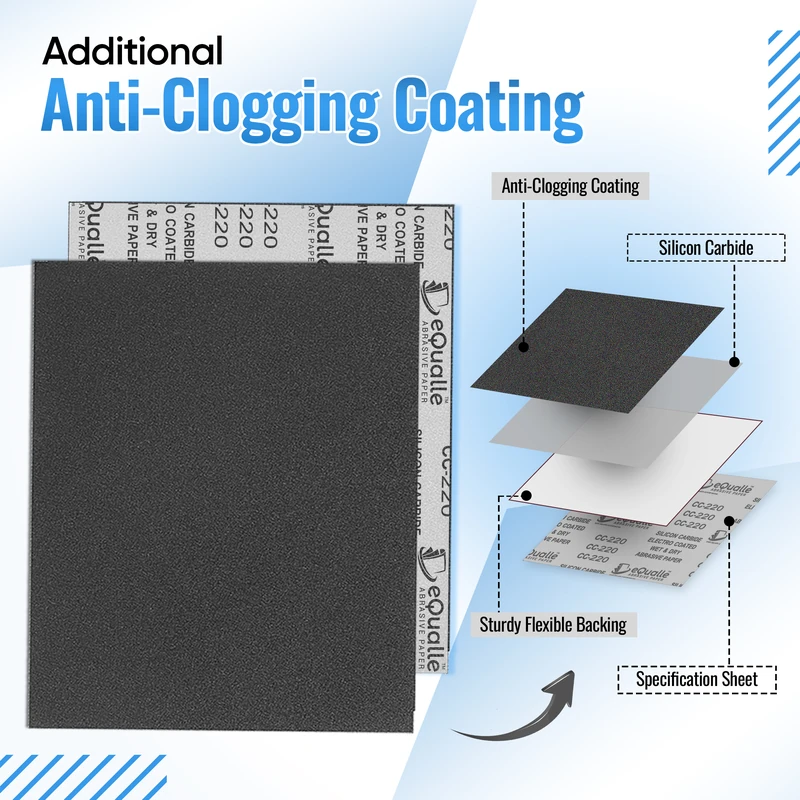
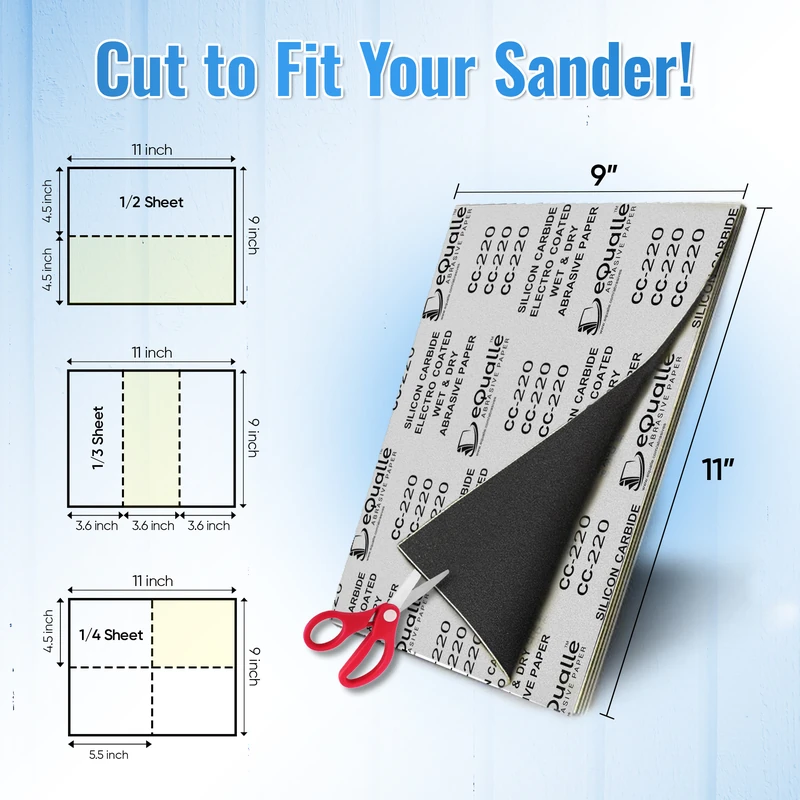
1500 Grit Sandpaper Sheets (25-pack) — 9x11 in Silicon Carbide Abrasive for Wet or Dry Use — Professional ultra-fine grit for satin or semi-gloss finishing. Removes micro-scratches from clear coats and paint touch-ups. Produces flawless textures and consistent results before final polishing. (Professional Grade).
Frequently Asked Questions (FAQ)
Q: How often should I clean the pad while polishing
A: Clean after every 2’×2’ section or whenever the pad feels warm, drags, starts to dust, or leaves uneven residue. For microfiber and wool, blow out fibers each section; for foam, brush and towel clean every one to two sections.
Q: Can I wash pads with regular dish soap
A: A mild dish soap can work in a pinch, but a dedicated pad cleaner or properly diluted all-purpose cleaner rinses more easily and leaves fewer residues. Avoid fabric softeners and very hot water. Rinse until water runs clear, spin-dry, and let pads air-dry on edge.
Q: Do I need a pad washer, or is brushing enough
A: Brushing and compressed air cover most on-the-fly needs. A pad washer speeds deep cleaning during long jobs and helps keep saturation under control. If you polish often, it’s a worthwhile upgrade; if not, a sink, gentle cleaner, and a spin cycle on the machine work fine.
Q: What’s the fastest way to dry pads between sets
A: After rinsing, squeeze out water by hand, press the pad against a clean microfiber to wick moisture, then spin it on the machine at low-to-medium speed inside a bucket or safe area. Stand pads on edge with airflow; most foam pads are ready again in minutes.
Q: Can a dirty pad really cause swirls or holograms
A: Yes. Embedded debris or coarse residue turns the pad into an inconsistent abrasive. That creates random scratches and trails, especially during finishing. Clean or swap pads frequently, wipe the panel between sets, and dedicate pads to a single product to prevent cross-contamination.