
Sanding Sponge Grit Chart for a Flawless Finish
You notice it the moment sunlight finds your project. That dresser you’ve been restoring—every curve carefully cleaned, every joint tightened—looks good until a wash of late-afternoon light glides across the surface, revealing faint scratches and patchy sheen. You run your fingers over the top and feel the tiny ridges. It’s not the wood’s fault; it’s the finish schedule. Specifically, it’s the grit you chose. For most of us, sanding is the quiet, patient step between “almost” and “nailed it,” and the humble sanding sponge is often the tool that saves both time and nerves.
A sanding sponge seems simple—a block of foam with abrasive on the outside—but it solves everyday frustrations: it reaches into profiles, wraps around edges, and flexes without gouging. Still, the foam can trick you. The same grit number can cut differently depending on the sponge’s density and coating. That’s why a clear, practical sponge grit chart isn’t just nice to have; it’s the roadmap to a predictable, high-quality finish. Whether you’re prepping pine for stain, smoothing taped drywall, or scuff-sanding a painted cabinet between coats, the right grit at the right time is everything.
Think of grit as a language. Coarser grits speak loudly, removing material fast; finer grits whisper, refining the surface until light flows across it without a ripple. Once you understand what each range is “saying,” you can plan your sequence with confidence, avoid backtracking, and keep your finish coats thin, even, and durable. This guide turns that language into a working chart—one you can use today, step by step, to get the surface you want and the finish you’ll be proud to live with.
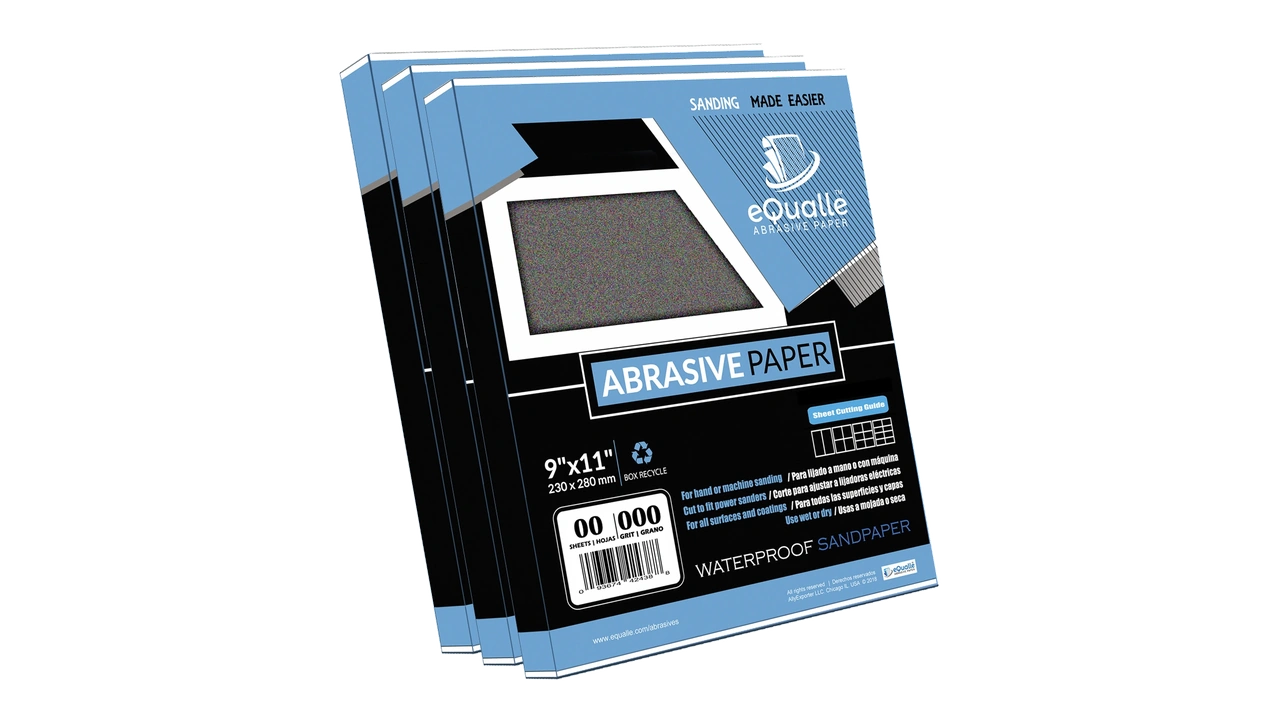
Quick Summary: Use a grit sequence that moves from shaping to refining, match sponge density to the surface, and check your progress in raking light to avoid rework.
How Grit Works in Flexible Abrasives
Grit is a measure of abrasive particle size: lower numbers mean larger, more aggressive particles; higher numbers mean smaller, refining particles. On sanding sponges, the same numbers you see on sandpaper—60, 80, 120, 180, 220, 320, 400, and beyond—carry over, but the foam core changes how they behave.
Three factors shape what you feel:
- Abrasive species and coating: Common choices include aluminum oxide (durable, general-purpose) and silicon carbide (sharp, great for finishes, often used wet). Open-coat abrasives have gaps between grains to resist clogging when sanding soft woods or finishes; closed-coat packs grains tightly for faster cut on harder materials.
- Foam density: Softer foam conforms to curves and edges, distributing pressure and reducing risk of gouging. Denser foam cuts flatter and faster on broad, even surfaces. The same grit on soft foam will feel slightly less aggressive than on hard foam.
- Pressure and stroke: Sponges encourage you to press; resist that urge. Let the abrasive do the work with light, even strokes. Excess pressure “burnishes” the surface (especially on hardwoods), effectively skipping grit steps and trapping deeper scratches under a polished top layer.
Grit ranges by task:
- 60–80 grit: Shaping and heavy stock removal. Use sparingly on wood and only if you must flatten or remove thick coatings. Better for sanding filler on drywall patches or rounding sharp edges on shop jigs.
- 100–120 grit: Leveling surfaces, removing planer marks, and smoothing after filler. This is the launch point for most finishing work on bare wood and compound.
- 150–180 grit: Pre-finish refinement. Sets the stage for stain or primer without polishing wood too smooth for absorption.
- 220–320 grit: Between coats and final prep for clear finishes. Also ideal for scuff-sanding paint or varnish after curing.
- 400–600+ grit: Rubbing out topcoats, feathering touch-ups, or preparing for high-gloss polishing. Often used wet to reduce clogging.
Knowing these tiers helps you shift from “what grit should I use?” to “what am I trying to do right now?” The answer—shape, level, refine, or polish—tells you which range to pick.
Build Your Sponge Grit Chart
A sponge grit chart is more than numbers; it’s a map that links materials, goals, and sequences. Use this as a practical starting point, and adjust based on your substrate and finish.
For bare wood:
- Start: 120 grit (leveling). Move to 150/180 (refine). Stop at 180 before oil or water-based stain to keep pores open.
- For clear finishes without stain: 180 to 220 final pass before the first coat. After the first coat, scuff with 220–320 depending on finish type.
For painted surfaces (new or repaints):
- Prep: 120–180 to dull glossy areas and remove minor defects. Vacuum and wipe.
- Between coats: 220–320 light scuff to promote adhesion and knock down dust nibs.
For drywall and joint compound:
- Initial smoothing: 120–150 to flatten knife lines and high spots.
- Edge blending and final pass: 180–220 to remove scratch patterns and prep for primer.
For metal and plastic:
- Deburr and shape: 120–180.
- Pre-finish scuff: 220–320. For plastics that heat up, use lighter pressure and consider 320–400.
For topcoat rub-out and repairs:
- Dull defects: 320–400 to level dust nibs and runs after full cure.
- Polish pre-step: 600+ before rubbing compounds or pads.
Two cross-checks keep this chart honest:
- Raking light test: Shine a light at a low angle across the surface. If you see uniform scratch direction and density, you’re ready to move up. Random scratches signal you need more time at the current grit.
- Pencil grid test: Lightly scribble a grid on the surface. Sand until the marks vanish uniformly; lingering marks reveal low spots or uneven pressure.
Create your own version on a shop card with “material → start grit → refine grit → stop grit” columns. Over time, you’ll note preferences—like stopping at 150 instead of 180 on blotch-prone softwoods when you plan to use a conditioner—so your chart becomes a personal recipe card rather than a generic table.
Choosing the Right Sanding Sponge
“Sponge” is not one-size-fits-all. Picking the right block ensures the grit you chose actually performs. Match these features to your task so your sanding sponge works with you, not against you.
Foam firmness:
- Soft: Best for molded profiles, chair spindles, crown molding, and contoured drawer pulls. Reduces edge burn-through on painted pieces.
- Medium: Good all-around choice for door frames, cabinet faces, and drywall corners.
- Firm: Ideal for flat panels, tabletops, and edges that need crisp definition. Helps you keep surfaces planar before finishing.
Abrasive type:
- Aluminum oxide: Long-lasting, versatile. Great for wood and paint prep.
- Silicon carbide: Shaves finishes cleanly and excels for between-coat sanding and wet sanding, especially on varnish, lacquer, and hard paints.
- Ceramic blends: More aggressive and durable for heavy removal in lower grits (less common on sponges but increasingly available).
Coating and shape:
- Open-coat: Resists clogging on soft wood and paint. Choose these in mid-grits when you’re leveling without gumming up.
- Closed-coat: Faster cut on hardwoods and metals in lower grits.
- Edge profiles: Rounded edges are kinder to paint and veneer; square edges stay true on corners.
Wet/dry capability:
- Wet-sanding reduces dust and clogging on cured finishes and automotive-style coatings. If you see “wet/dry” on the label, you can dip the sponge in water with a drop of dish soap for lubrication. Keep a second sponge dry for delicate wood fibers, which swell with moisture.
Size and form:
- Full-block: Efficient on broad surfaces.
- Thin or folded sheets on foam: Better for edge work and inside corners.
- Multi-grit blocks: Convenient for step-ups; mark each face with a Sharpie for quick identification.
Care note: Knock out dust often by tapping the sponge against your palm or vacuuming it with a brush attachment. When the cut fades, don’t push harder—step back a grit or switch to a fresh side.
According to a article
Smart Grit Sequences for Finishing
Sequencing is the difference between quick progress and endless sanding. A good rule: change grits only when the current one has fully erased the previous scratch pattern. Here are proven, time-saving sequences and checks for common scenarios.
Bare wood to stained finish:
- Sequence: 120 → 150/180 → stain → first coat of clear → 320 light scuff → final coats.
- Why: 120 removes mill marks; 150/180 refines without sealing pores. Scuffing with 320 after the first coat knocks down raised grain and dust nibs.
Painted furniture refresh (light scuff and repaint):
- Sequence: 180 overall scuff → clean → primer if needed → 220 between coats.
- Why: 180 creates a mechanical tooth for adhesion; 220 keeps mid-coats smooth without polishing them too slick.
Drywall patch blending:
- Sequence: 120 to knock ridges → 180 feather edges → 220 quick pass for primer-ready smoothness.
- Why: Stepping down in pressure (not just grit) makes joints disappear under paint.
Varnish or lacquer rub-out:
- Sequence: Cure fully → 400 with light, even strokes (wet if allowed) → 600–800 → polishing compound.
- Why: Each step removes the previous scratch depth while protecting film thickness.
Actionable tips for cleaner results:
- Use pencil guides: Mark the surface lightly before each grit. Stop only when every mark vanishes consistently.
- Sand with the grain last: Even with sponges, finishing strokes along the grain hide micro-scratches on wood.
- Reset your pressure each grit: Start feather-light after a grit change; pressure should decrease as grits get finer.
- De-dust between steps: Vacuum and tack-wipe. Residual coarse grains can contaminate your next pass and reintroduce scratches.
- Calibrate to your finish: For water-based topcoats (which raise grain), consider a quick pre-wet, dry, then 220 pass on test pieces to reduce post-coat sanding.
H3 Checks that prevent rework
- Raking light: Hold a flashlight at surface level; scratches become obvious. Rotate your sanding direction 10–15 degrees each grit for visual tracking, then finish with the grain.
- Touch test: Close your eyes and sweep fingertips across the surface. Changes in temperature and friction reveal highs, lows, and leftover scratches better than sight alone.
Norton ProSand Sanding — Video Guide
Norton’s short feature on ProSand sanding sponges highlights what makes modern sponges efficient: sharp, long-wearing abrasive on a foam core that contours without cutting through edges. The clip walks through practical use on flat and profiled surfaces, showing how a consistent stroke and light pressure deliver uniform results with fewer passes.
Video source: Norton ProSand Sanding Sponges
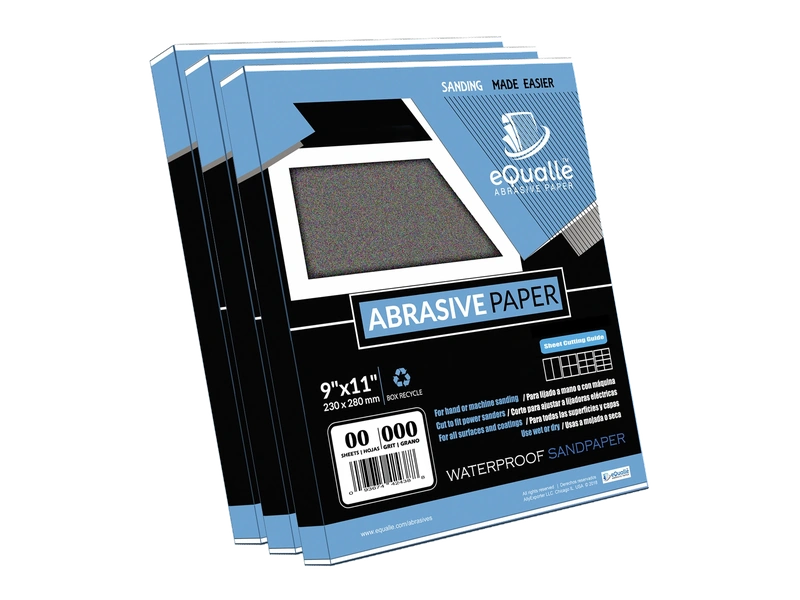
1500 Grit Sandpaper Sheets (50-pack) — 9x11 in Silicon Carbide Abrasive for Wet or Dry Use — Professional ultra-fine grit for satin or semi-gloss finishing. Removes micro-scratches from clear coats and paint touch-ups. Produces flawless textures and consistent results before final polishing. (Professional Grade).
Frequently Asked Questions (FAQ)
Q: What grit sanding sponge should I use before staining wood?
A: Stop at 150 or 180 on bare wood before applying stain. Those grits refine the surface while leaving pores open for even color. Going to 220 can reduce stain absorption on some species.
Q: Can I wet-sand with any sanding sponge?
A: Only if it’s labeled wet/dry and uses a water-tolerant abrasive like silicon carbide. Wet-sanding is great for cured finishes to reduce dust and clogging, but avoid wet-sanding bare wood to prevent swelling.
Q: How do I know when to move up to the next grit?
A: Use a pencil grid and raking light. When all pencil marks and the previous grit’s scratch pattern are uniformly removed—no shiny lines or dull patches—you’re ready to step up.
Q: Do higher grits (400–600) make paint adhere better?
A: Not necessarily. For adhesion, 220–320 is ideal. Ultra-fine grits can polish the surface too smooth, reducing mechanical tooth. Reserve 400–600 for rubbing out cured finishes or ultra-smooth topcoats.
Q: Why does my sanding sponge clog so quickly?
A: Likely too much pressure, a closed-coat abrasive on a gummy material, or sanding an uncured finish. Use light strokes, choose open-coat in mid-grits, and let finishes cure fully before scuffing. Knock out dust frequently or switch to wet-sanding if appropriate.