
Epoxy Sanding Fix: Repairing Pinholes the Pro Way
The raking light hit the panel just right, and my stomach sank. That fresh, glassy surface that had looked perfect yesterday now showed a constellation of tiny white dots—pinholes—staring back after the first pass of epoxy sanding. If you’ve been there, you know the feeling: you did everything “right,” yet sanding reveals flaws you couldn’t see in the wet coat. It happens with river tables, surfboards, paddles, canoe hulls, and resin inlays all the same. In the workshop, there’s no room for drama; there’s only a tight, repeatable process to diagnose, fill, seal, and finish—so the next time, you don’t just fix the issue, you prevent it.
Consider this a bench-side chat with a fellow maker. I’m walking you through the workflow I use on epoxy pinholes—from identifying root causes to nailing the right fill method, then resetting the surface so it sands flat without re-opening craters. You’ll get the steps, the tools, the grits, and the tells I look for under light. We’ll talk environment, timing, filler options, and why some solvents are your enemy. We’ll also align sanding strategy to project type: glossy showpiece? Beating sun on the water? Kitchen-grade durability? Different goals, slightly different playbooks.
Pinholes are not a career-ending offense; they’re a signal. Air escaped. Dust intruded. The coat cured as temperatures rose. Maybe the layer was just a hair too thin to bridge a low spot or a fibrous texture. The fix is real, and it’s clean: fill, lock, level, then refine. And yes—when you’re set up right, epoxy sanding stops being the “reveal of doom” and becomes the checkpoint you actually trust.
Quick Summary: Diagnose why pinholes appeared, then fill them with a tight squeegee coat, lock them with a thin leveling coat, and use smart epoxy sanding to finish flat and clear.
Why Pinholes Appear After Sanding
Pinholes are tiny voids that you don’t always notice in the glossy wet state. Sanding cuts the high spots, disrupts surface tension, and exposes what the liquid epoxy skimmed over but never filled. That’s why they often seem to flower as soon as you level a coat. Understanding the “why” gives you confidence in the “how” of repair.
Most common causes:
- Outgassing: Air trapped in wood pores, foam, or fabric that escapes while the resin is curing—especially if the substrate warms up after application. Warm substrate + cooler ambient that rises = bubbles.
- Surface texture: Roller stipple or fiberglass weave with minimal resin coverage can hide micro-voids until sanding.
- Contamination or amine blush: A waxy blush or fingerprints can repel resin locally, creating craters or weak spots that open under abrasion.
- Mix and handling: Aggressive mixing traps micro-bubbles; high-viscosity resin or short open time can freeze those bubbles in place.
- Environment: High humidity and temperature swings encourage both blush and outgassing.
Diagnosis is simple but deliberate. Use a raking light at a low angle to scan the surface. Pinholes look like white dots; if you wet the area with a little alcohol or water and they “disappear,” you’re seeing voids, not dust specks. A light pencil “guide coat” over the area before another gentle sanding pass will also help map the true low spots: the graphite stays in the holes while the surrounding surface goes clean.
Prevention mindset starts now. Plan future coats when the shop temperature is steady or slightly falling. Seal porous substrates before flood coats. And keep your sanding strategy purposeful—enough cut to level, not so aggressive that you tear open resin over texture that isn’t yet fully filled.
Smart epoxy sanding for clean diagnostics
Epoxy is a plastic, not wood. It loads paper, heats fast, and can smear if you rush. Your sanding workflow should do two things at once: reveal problems without creating new ones, and establish a surface that accepts fill and subsequent coats.
Step-by-step baseline:
- Clean first, sand second. If there’s any chance of amine blush, wash with warm water and a drop of dish soap using a white Scotch-Brite pad. Rinse and dry completely before sanding.
- Start finer than you think for “diagnostic passes.” 180–220 grit with light pressure and dust extraction. The goal is to show, not sculpt.
- Use a firm interface pad on a random orbital sander. A too-soft pad rounds lows and bridges pinholes; a firm pad keeps the cut honest.
- Keep it cool. Short bursts, vacuum on, and don’t park the sander. Heat is the enemy; it can soften epoxy and smudge resin over voids.
- Use raking light and a pencil guide coat to track progress. Re-mark between passes.
Actionable tips from the bench:
- Swap to net-backed abrasives (e.g., Abranet) to reduce loading and keep the cut consistent.
- If you need to wet sand after full cure, add a tiny bit of dish soap to the water to break surface tension; keep it light to avoid water getting forced into fresh fills.
- Don’t wipe with strong solvents before recoating; you risk driving contaminants into pinholes. After a water wash for blush, use a light isopropyl wipe only if necessary, then let it flash off completely.
- If you must level aggressively, do it in two stages: a quick 150–180 grit pass to flatten highs, then step back to 220–320 to refine before you diagnose pinholes again.
- For edges and profiles, ditch the machine and use rigid hand blocks. Machines round edges fast and expose fabric or wood, creating fresh low spots.
When you’re done with this diagnostic epoxy sanding pass, you’ll have a map: which areas need micro-fill, which need a fuller seal, and which are already flat enough to move forward.
Micro-fill, squeegee, and spot seal
Repairing pinholes is a precision fill job, not a flood. You want resin inside the voids and as little as possible left on the surrounding surface. Think “press in, pull off.”
My go-to micro-fill routine:
- Mark pinholes with a fine pencil under raking light.
- Wash off any blush, rinse, and dry thoroughly.
- Lightly scuff around the area with 220–320 grit to provide tooth; vacuum and tack off dust.
- Warm the substrate slightly (heat gun on low or a warm room). This reduces viscosity at the surface and encourages resin to wick in. Avoid warming so much that you’ll cause outgassing when you apply.
- Mix a fresh, small batch of epoxy—stir gently to minimize bubbles. You can pre-warm the resin bottles in a warm water bath to lower viscosity.
- Using a plastic spreader or old credit card, squeegee a whisper-thin film across the area at a 45-degree angle. Work from multiple directions to force resin into the voids, then pull it tight. The card should leave almost no film behind.
- Pop any surface bubbles with a quick pass of a heat gun held well away; keep it moving and brief.
For stubborn clusters or slightly larger defects, you can lightly thicken the epoxy. A 1:1 blend of silica and microballoons gives a creamy, non-sag mix that sands easily while still penetrating small voids. Apply with a squeegee, then blade it off hard so the filler remains only in the lows.
Expect to repeat once on deep textures. After cure, do a light 320 grit pass to shave off anything standing proud. According to a article, working a thin coat of resin into pinholes and sanding it back is a proven surfboard repair tactic—same principle here: minimal build, targeted fill.
Caution on shortcuts: thin CA (cyanoacrylate) can work for isolated micro-pits on non-flexing parts, but it can haze and polish differently than epoxy. Use only if you plan to overcoat and blend thoroughly. For transparent show surfaces, stay with epoxy to keep optical uniformity.
Hot coats and surface leveling
Once the pinholes are packed, you need a leveling layer to “lock” the fills and give you a consistent plane for final sanding. This isn’t a heavy pour; it’s a controlled hot coat (a seal coat or flow coat) aimed at bridging micro-texture without trapping new air.
Key controls:
- Environment: Aim for a dust-managed room at 18–24°C (65–75°F) with stable or slightly falling temperature. Rising temps during cure are a pinhole factory.
- Resin handling: Use a finishing-grade epoxy or the same system you’ve been using, brought to a workable viscosity by room temperature—not thinned with solvents. Pre-warm bottles if needed to improve flow.
- Surface prep: After micro-fill cures, do a uniform scuff with 320–400 grit, vacuum, and clean. If there’s any question of blush, wash with warm soapy water, rinse, dry, then scuff.
Application methods:
- Brush-and-tip: Load a good bristle or foam brush, apply in smooth, overlapping strokes, then tip off at 90° to your application direction with a dry brush to break bubbles and even the film.
- Roller-and-squeegee: For broad areas, roll a thin, even layer with a 1/8" foam roller, then very lightly drag a plastic squeegee to knock down stipple and push resin into micro-lows.
Aim for a very thin coat—just enough to unify the surface and encapsulate fills. Too thick and you invite sags and trapped air; too thin and you’ll still break into texture during sanding. On vertical faces, consider two ultra-thin passes with partial gel between, rather than one heavy coat.
Cure fully per the system’s schedule. If your epoxy tends to blush, wait out the full cure, then wash and scuff. When you sand again, start at 320 and assess. The surface should stay uniformly dull without white pinholes reappearing. If they do, you missed a cluster: mark them, spot squeegee again, and repeat a micro hot coat only where needed.
Polish, protect, and final checks
With a filled and leveled surface, your epoxy sanding now shifts from corrective to finishing. The mindset changes: we’re managing heat, scratch pattern, and clarity. Rushing here is where people re-open trouble.
Sanding progression for clear finishes:
- 320 grit: Light uniform pass to dull the hot coat. Don’t chase perfection at this stage—just a consistent scratch.
- 400 → 600 → 800: Each step removes the previous scratches. Keep pressure low, vacuum on, and check often with raking light. If you wet sand, do it only after full cure; use soapy water and wipe dry between grits.
- 1000 → 1500 (optional): For high-gloss polish work, these steps are your gateway to a quick buff.
- Compound and polish: Use a medium-cut compound on a foam pad, low RPM, and keep the pad flat. Finish with a fine polish and a clean pad.
Project-specific topcoats:
- Outdoor/UV exposure (boats, paddles, surfboards): Epoxy alone isn’t UV stable. Overcoat with a 2K polyurethane clear or a marine spar varnish with UV inhibitors. Scuff the epoxy at 320–400, tack off, then spray or brush per product guidance.
- High-wear furniture (tabletops): Consider a hard-wearing 2K clear or allow the epoxy to post-cure (if system allows) before final 1500+ polish for better print resistance.
Final checks and habits:
- Cross-light the surface from multiple angles. If you can’t spot a flaw under raking light, no one else will.
- Run a nitrile-gloved fingertip over transitions and edges; your finger will catch flaws your eyes miss.
- Label your abrasives and keep a clean stack. One rogue 120 grit disc in a 600 stack can ruin an hour of work.
- Log your environment—temperature, humidity, products used. Pinholes are often a timing/environment story you can prevent on the next build.
Sanding 101: How — Video Guide
If you like seeing the passes in real time, there’s a solid tutorial called “Sanding 101: How to sand epoxy resin projects” by Alumilite. It starts right where many of us get nervous—fresh out of the mold or after that first leveling coat—and shows how to chase out haze, scratches, and small surface defects with a structured grit climb.
Video source: Sanding 101: How to sand epoxy resin projects | Alumilite
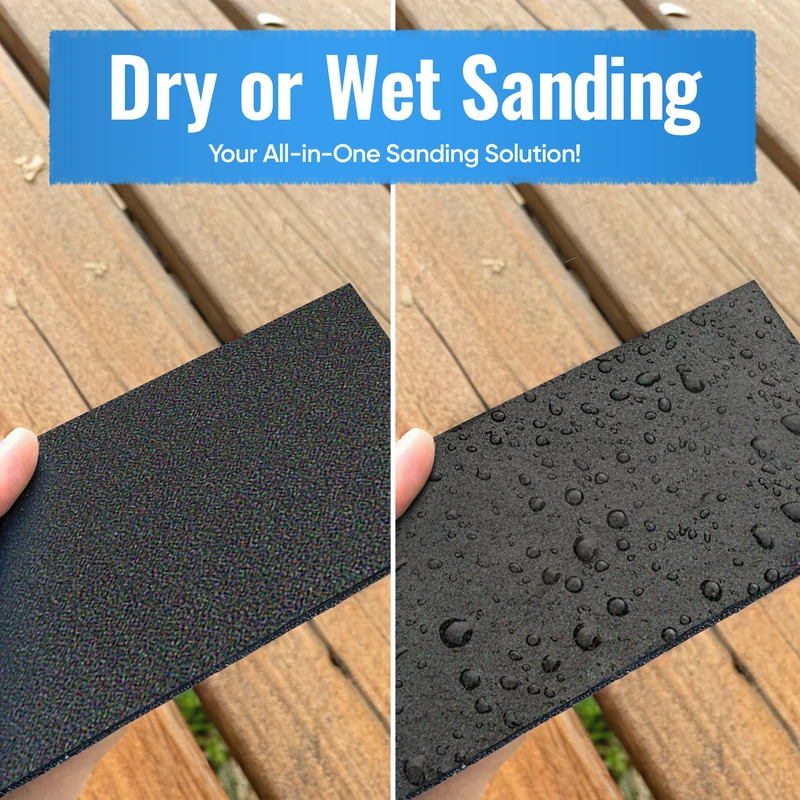
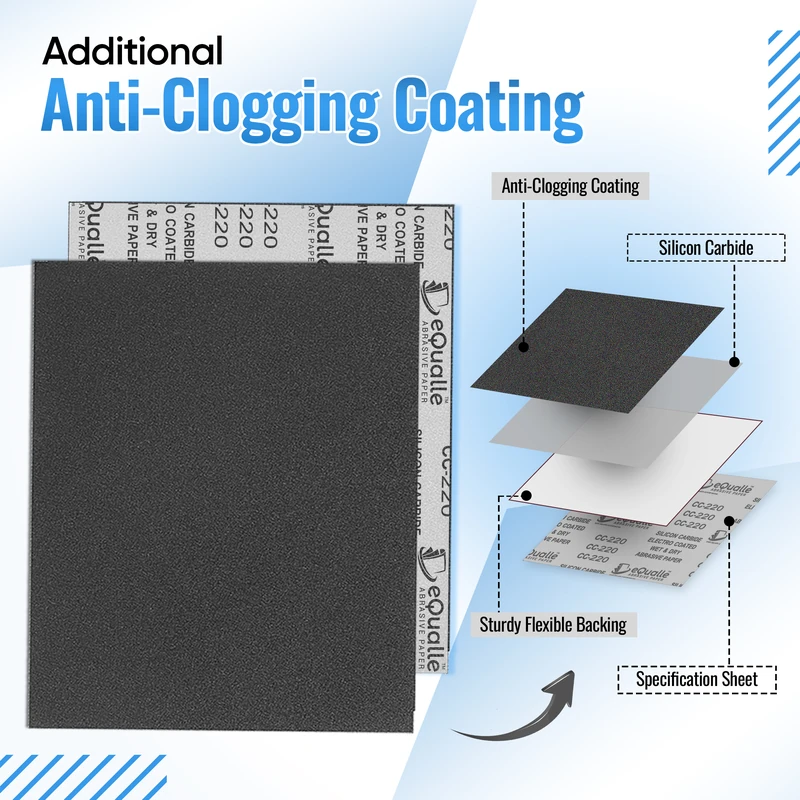
320 Grit Sandpaper Sheets (100-pack) — 9x11 in Silicon Carbide Abrasive for Wet or Dry Use — Fine finishing grit for sanding between coats of paint, primer, or lacquer. Provides smooth, even results for woodworking, automotive, and precision finishing. Works efficiently for wet or dry applications. (Professional Grade).
Frequently Asked Questions (FAQ)
Q: Why do white dots appear only after I start sanding?
A: Sanding flattens highs and breaks surface tension, exposing micro-voids the wet coat skimmed over. Those voids catch dust and air, reading as white dots. A thin squeegee fill followed by a light hot coat will lock them down before your next sanding pass.
Q: Should I use thin CA glue to fill pinholes?
A: It can work for isolated micro-defects on non-structural, non-flexing parts, but CA can haze and polish differently than epoxy. For clear, uniform optics or flexible substrates, use unthickened epoxy (or a light micro-fill) and squeegee it tight instead.
Q: Is wet sanding safer for epoxy finishes?
A: After full cure, wet sanding with soapy water controls heat and dust well. However, never wet sand uncured or blush-prone epoxy. Always wash off blush first, dry completely, then choose wet or dry based on your workflow and grit.
Q: How do I avoid new pinholes in my next coat?
A: Control temperature (apply as ambient is steady or slightly falling), seal porous substrates first, use gentle mixing to limit bubbles, and tip off rolled coats. Keep coats thin and even, and avoid heavy applications that trap air over texture.
Q: What grit should I start with after the hot coat?
A: If the hot coat leveled well, start at 320 grit with light pressure and dust extraction. If you see orange peel or minor waves, a quick, careful 220 pass may be warranted—then move to 320–400 before climbing the grits for clarity.