
Resin polishing without silicone contamination
There’s a quiet joy to the last ten minutes of a build. The tools are put away. The dust has settled. You pull a cured coaster from its mold, or lift a small river table into the light, and the surface flashes back — a depth that feels almost impossible. You reach for your compounds, line up the pads, and begin resin polishing, already picturing that glass-smooth finish. Then, just as the sheen appears, a few round craters show up. The polish drags around them like water around a pebble. A couple more passes and they don’t go away. If anything, they multiply. The feeling in your stomach drops: fisheyes.
Most makers meet silicone this way: not as a material they chose, but as a ghost that slips in from someone’s hand lotion, a spray near the shop door, a bit of residue from a “universal” release, or a rag that carried more than it should. Silicone is a master of spread. A trace amount can crawl across a bench, climb a glove, and find its way into a pour or onto a finished surface where it repels almost anything, including fresh resin, topcoats, and polishes. You can’t see it until a coating beads, a finish crawls, or a silicone mold refuses to cure against a printed master.
The good news: a few careful habits, plus a polishing workflow that respects surface energy, can make those last ten minutes predictable again. Whether you’re chasing clarity in epoxy, dialing in a UV resin print before molding, or pouring platinum-cure silicone itself, keeping silicone where it belongs (and nowhere else) is the single most reliable way to protect your time, materials, and sanity.
Quick Summary: Keep silicone away from finishing zones, adopt silicone-aware cleaning and sanding steps, and use disciplined shop habits so resin polishing and casting behave exactly as planned.
Why silicone sneaks into resin work
If you work with epoxy, UV-curable resins, urethanes, or silicone molds, silicone contamination is the foe you rarely see but always feel. The chemistry behind the mess is simple: most silicones (like PDMS) lower surface energy dramatically. Coatings want to pull back from those spots, creating telltale “fisheyes,” dimples, or areas of poor adhesion. With silicone casting rubbers, contamination can go the other way — inhibitors from certain resins or residues on masters can stall or prevent cure.
Common pathways into a “clean” resin workflow:
- Aerosol drift from spritzed silicone lubricants or releases — mist can travel many meters and settle invisibly.
- Hand and skin products containing dimethicone or cyclomethicone; a single touch can seed a whole batch of parts.
- Automotive waxes and “detail sprays” used near shop doors; many are silicone-rich.
- Legacy towels, shop rags, or buffing pads that once met a silicone product; they remain carriers long after washing.
- Compressor lines with oilers or “dry” compressed air that picked up aerosolized silicone elsewhere in the shop.
- 3D print beds and rails lubricated with silicone grease; handling prints or tools spreads a film to worktops.
- Mold releases — many “universal” or “easy release” sprays are silicone-based even if the label feels vague.
Silicone’s “superpower” is its mobility. A microgram-scale smear can level itself into a large, ultra-thin patch, which is why you can clean once and still find defects later. What looks like an isolated fisheye is often a sign your entire surface energy profile has been altered.
Diagnostics to confirm silicone is the culprit:
- The water-break test: after a thorough clean, mist distilled water on the surface. If water sheets uniformly, you’re likely clean. If it beads or forms islands, low-energy contamination remains.
- Tape pull: apply fresh painter’s tape, burnish lightly, and peel. Poor adhesion can indicate a contaminated surface film.
- Controlled recoat: apply a small test patch of your finish to a masked area. If defects appear selectively, contamination is uneven — and solvable with targeted cleaning.
Surface prep and resin polishing that lasts
Polishing cannot fix surface energy problems — it only reveals them. The path to a flawless shine begins with a surface that welcomes coatings, compounds, and sealers.
Start with a methodical clean:
- Degrease without silicones. Use 90–99% isopropyl alcohol (IPA) or a dedicated, silicone-free resin cleaner. Wipe with the two-rag method: one rag wet to dissolve, a second clean rag to lift.
- Micro-scrub. A melamine sponge, lightly dampened with IPA or deionized water, helps lift stubborn films without gouging cured epoxy.
- Rinse and verify. Rinse with deionized water and perform a quick water-break test. Only proceed when water sheets uniformly.
- Dry lint-free. Use fresh, dedicated microfiber marked “resin only.” Avoid tack cloths — many are waxed or silicone-treated.
Sanding for clarity, without reintroducing flaws:
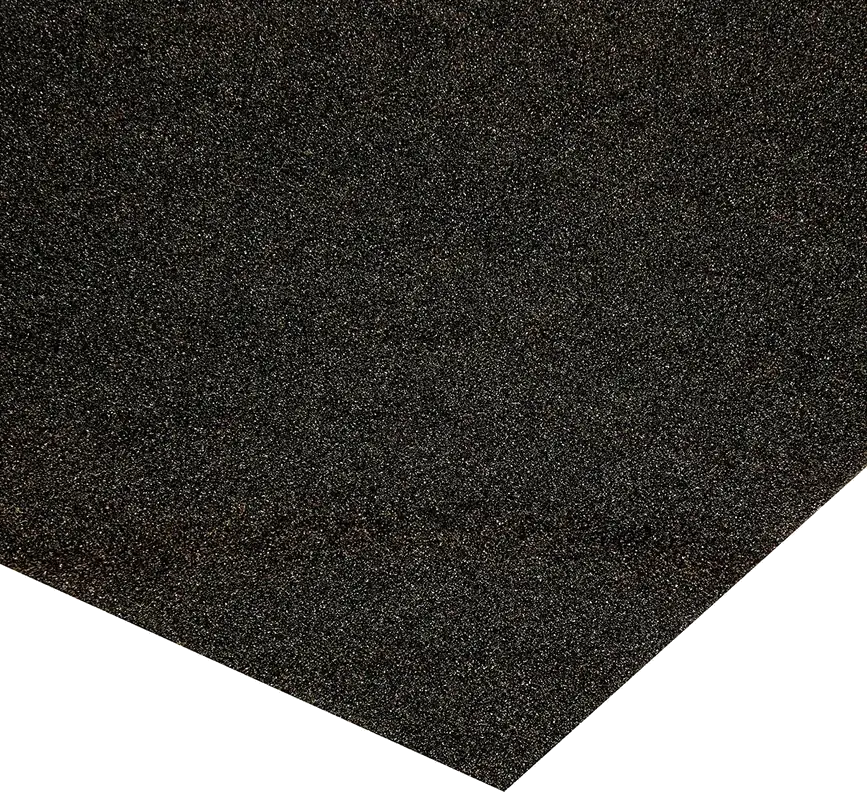
- Start coarse enough to level defects (often P320–P400 for epoxy) and progress evenly through grits: 400, 600, 800, 1000, 1500, 2000 (or 3000). Skipping grits leaves deep trails that magnify later.
- Wet sand with clean, frequently refreshed water. Change the water if it looks cloudy or if you suspect any contamination.
- Rinse thoroughly between grits and repeat the water-break test if you ever doubt the surface is clean.
Choose compounds and pads that are silicone-free:
- Opt for water-based compounds designed for plastics or gelcoat. Many “show car” polishes include silicone oils — great for gloss, terrible for later coats or repairs.
- Dedicate pads to resin work only, label them, and store in sealed bags. Once a pad meets silicone, it’s a carrier forever.
Finish with a compatible topcoat if needed:
- For bar-top clarity, a thin flood coat over a properly sanded and cleaned base is still king. Ensure the room, tools, and applicators are silicone-free.
- If you prefer a buffed finish only, stop once haze is gone and gloss is uniform under raking light. Resist “one more pass” — overheating can smear residues and undo progress.
Done right, resin polishing is the victory lap, not a gamble — but only after a surface is genuinely clean and high-energy.
Shop habits that block contamination
Great finishes are 80% environment and 20% technique. Treat silicone control like dust control: a constant, low-effort habit, not a heroic cleanup at the end.
Establish a silicone-free zone:
- Create a finishing bench where all silicone-containing products are banned. Post a simple sign. Keep the zone physically separate from molding and mechanical maintenance areas.
Control products and people:
- Audit your shop for dimethicone, cyclomethicone, “shine” or “slip” additives in sprays, lotions, polishes, and waxes. Replace hand lotion with a silicone-free option and keep it at the door.
- Read SDS and labels; if you see “siloxane” or “-cone” in the ingredients, it doesn’t enter the finishing zone.
Dedicate tools and textiles:
- Color-code or label microfibers, abrasives, and polishing pads “Resin Only.” Store them sealed. Maintain a separate bin for any task that ever uses silicone products.
- Avoid shared rags and shop towels from mixed-use maintenance areas.
Air and dust management:
- Silicone-laden aerosols drift. Ban all aerosol releases and lubricants within the same room as finishing. If that’s not possible, use a curtain or enclosure and a HEPA-filtered air scrubber pulling negative pressure away from the bench.
Process discipline:
- Sequence your day: mold prep and any silicone work in the morning; deep clean and air change; then resin pouring; finally, polishing. Never the reverse.
- Test on a coupon from each new batch of polish, pad, or cleaner. Ten minutes on a scrap saves a day on a hero piece.
Actionable tips:
- Keep a “clean hands” station: silicone-free lotion, IPA dispenser, and fresh nitrile gloves at the entry to your finishing zone.
- Ban tack cloths and car-detail products from the finishing bench; most carry waxes or silicone oils.
- Use the water-break test before every topcoat or final polish — 20 seconds that catch 90% of issues.
- Seal porous substrates (wood, MDF) early with a compatible sealer to lock in shop-borne oils before your main pour.
- Log products and results. When a defect appears, your notes will quickly reveal the outlier.
According to a article, pure silicone materials require equipment-aware handling and compatible tanks to prevent damage and cross-contamination — a mindset that translates directly to segregating tools and spaces for all silicone tasks in mixed-material shops.
Casting with molds and 3D prints safely
Silicone shows up in two very different roles: as a contaminant you don’t want in your resin workflow, and as a casting material you do want to cure perfectly. Avoiding problems means isolating the roles and preparing masters and molds with care.
Masters and 3D prints:
- Wash and post-cure UV prints thoroughly. Uncured resin, certain pigments, and amine residues can inhibit platinum-cure silicone. Extend UV cure time, then warm the part gently (40–60°C) to drive off volatiles, if the material allows.
- Consider a barrier. A thin, even coat of PVA, acrylic clear, or a manufacturer-recommended sealer can isolate unknown chemistries on tricky masters. Let barriers dry fully and recheck with a small test pour.
- Choose the right release — or none at all. Many platinum silicones prefer clean, sealed masters without release; if a release is required, select a non-silicone product certified compatible by the silicone manufacturer. Keep all release work far from resin finishing and store those cans in a separate cabinet.
Mold making and use:
- Dedicate measuring tools, mixing sticks, and containers to silicone only. Don’t bring those items back to resin finishing, even after washing — trace films linger.
- Keep silicone mixing and degassing in a separate area or time block from resin pouring and polishing to avoid aerosol and touch transfer.
- For epoxy casts into silicone molds, inspect and clean the mold cavities. Even high-quality molds can accumulate skin oils or shop residues that transfer to your part’s surface, causing fisheyes during a flood coat or polish. Wash molds with mild, silicone-free soap, rinse, and air-dry.
Workflow hygiene for repeatability:
- Touch control matters. Glove up with fresh nitrile before handling cleaned masters or demolded parts. One casual phone check with bare hands can undo a perfect prep.
- Small test cures answer big questions. Each time you change a resin, pigment, or silicone, pour a thumbnail-sized test to confirm cure and surface quality before committing.
By keeping silicone casting operations physically and procedurally separate from your resin finishing, you protect both worlds: silicones cure as they should, and your epoxies accept topcoats and polishes without a fight.
How to sand — Video Guide
If you’re looking to cut sanding time while lifting clarity, a recent pro walkthrough breaks down a streamlined epoxy workflow. The presenter shows how to choose the first grit based on actual defects, keep water clean to prevent re-scratching, and climb grits with intent instead of habit. They also highlight pad selection and machine speed so you don’t load heat or compound into the surface.
Video source: How to sand and polish epoxy resin like a pro and save time!
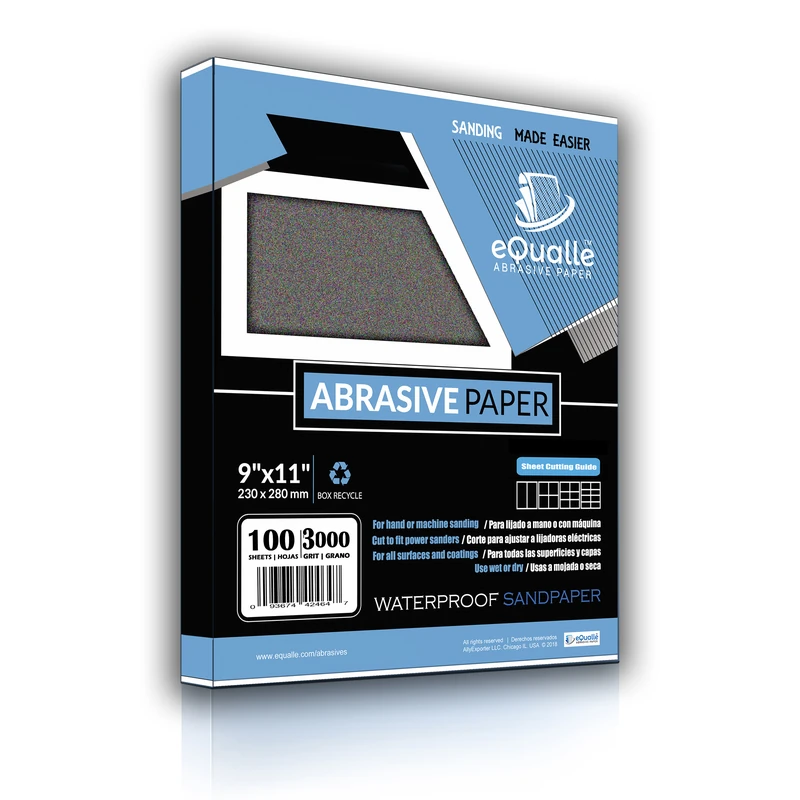
1500 Grit Sandpaper Sheets (10-pack) — 9x11 in Silicon Carbide Abrasive for Wet or Dry Use — Refining grit that bridges polishing and buffing—perfect for restoring a subtle satin or semi-gloss look on painted finishes. (Professional Grade).
Frequently Asked Questions (FAQ)
Q: How do I know if fisheyes are caused by silicone or dust?
A: Dust creates raised nibs you can feel; silicone causes craters where coatings pull away. Spray a fine mist of water: uniform sheeting suggests cleanliness, while beading or islands point to low-energy contamination like silicone.
Q: What’s the best way to clean silicone residue before a recoat?
A: Use the two-rag method with 90–99% IPA or a silicone-free resin cleaner, then micro-scrub with a damp melamine sponge. Rinse with deionized water, dry with fresh microfiber, and confirm with the water-break test before recoating.
Q: Can polishing compounds themselves cause problems later?
A: Yes. Many automotive polishes contain silicone oils to boost gloss. Choose water-based, silicone-free compounds for resin work, dedicate pads, and store them sealed to prevent cross-contamination.
Q: Will another flood coat hide fisheyes?
A: Not reliably. If silicone remains, a new coat will likely crawl again. Clean thoroughly, verify with the water-break test, and consider lightly abrading (e.g., P600–P800) before the recoat so the surface is both clean and mechanically receptive.
Q: How do I avoid platinum-cure silicone inhibition on 3D prints?
A: Wash and fully post-cure prints, warm them to drive off volatiles, and apply a compatible barrier if needed. Run a small test pour first. Keep any silicone releases and mixing separate from your resin finishing area to avoid back-contamination.