
Silicon Carbide Sandpaper: Cost vs Lifespan Guide
The first time you sand a surface you really care about—maybe a refinished oak desk, a guitar body, or the clear coat on a cherished car—you notice how quickly small choices compound. The pad feels right in your hand. The grit cuts fast. The swarf turns the slurry gray. And then, a corner clogs and tears, the scratch pattern changes, and the rhythm breaks. Suddenly you’re calculating: Do I keep pushing this sheet, or do I swap it now and save the finish? That quick decision is the heart of cost versus lifespan. It’s where budgets, timelines, and craftsmanship meet.
For many of us, the aisle of abrasives is a familiar tug-of-war. The value-pack looks appealing. The premium pack promises consistency. You’re comparing price per sheet, but that number hides as much as it reveals. Silicon carbide sandpaper, for example, is known for fast cutting and clean finishes on hard, brittle, and coated surfaces; it can be the better investment for wet sanding or delicate clear coats—even if it doesn’t last as long as some alternatives. What you’re really buying is a predictable outcome for the material you’re working, the way you’ll use it, and the failure you cannot afford.
Good work isn’t just about saving pennies—it’s about preventing setbacks. A single deep scratch from an exhausted sheet can cost an hour of rework. A misjudged grit jump can cause orange peel or ripples that only show under bright light. These are the hidden costs that aren’t on the price tag. When you look at abrasives through the lens of total cost of ownership, your choices get clearer. And when you marry that with a few simple life-extension habits—correct pressure, wet sanding where appropriate, cleaning, and grit discipline—you stretch your budget and protect your results without gambling on quality.
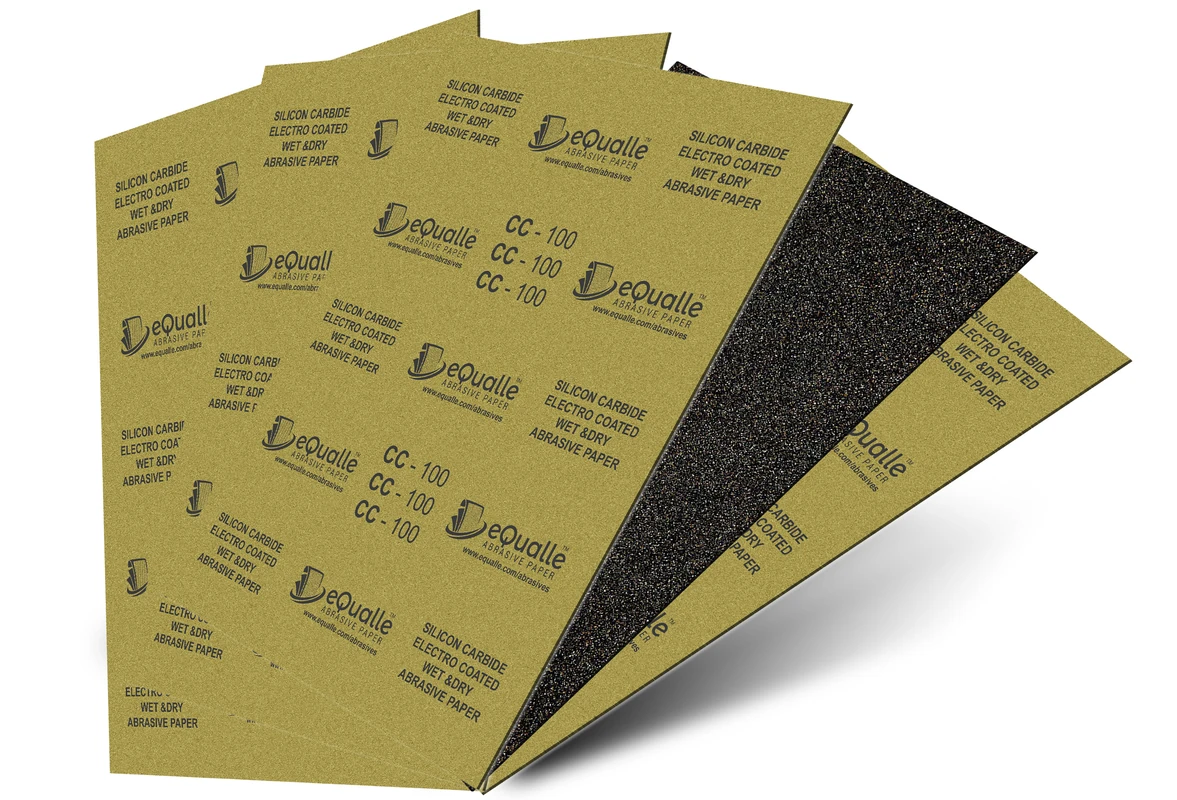
Quick Summary: Smart abrasive choices focus on total cost of results—select the right grain for the job, extend sheet life responsibly, and avoid hidden rework costs.
What ‘cheap’ really costs
The sticker price of sandpaper is the beginning, not the end, of the math. If you’ve ever pushed a worn sheet “just a bit more,” only to discover new scratches or uneven sheen under raking light, you’ve felt how quickly costs jump from cents to hours. Cheap can be expensive when it invites inconsistency, slows your progress, or forces rework.
Think in terms of total cost of results. That includes the consumable itself, the labor you’ll spend, the likelihood of errors, and the downstream materials you might waste (extra finish, new masking, additional polishing compound). A low-cost aluminum oxide sheet might last longer on soft woods and general-purpose tasks, but it could struggle on glassy finishes or hard, brittle substrates where clean, sharp cutting edges make the difference between a uniform haze and random deep scratches. In those cases, pushing a “value” sheet too far can cost more in time than you save in money.
Risk tolerance matters. If you’re leveling a garden bench before stain, the stakes are modest and a budget abrasive may be fine. If you’re color-sanding a clear coat or prepping a CNC-milled resin part where defects are glaring, any scratch that bites below the surface could require a full step back in the grit progression. There, the “expensive” sheet that cuts cleaner and more uniformly may actually be cheaper per finished surface.
The final piece is predictability. Professional workflows rely on repeatable scratch patterns and known wear rates. That’s where higher-grade abrasives, consistent resin bonds, flatter backings, and better grains earn their keep. When you can predict how a sheet starts, performs, and dies, you plan accurately—and avoid the kind of surprises that devour schedules.
Abrasive basics: grains, bonds, and backing
Knowing what’s on the sheet demystifies why some papers feel “worth it.” Three factors decide performance: the abrasive grain, the bond that holds it, and the backing that supports it.
Grains. Aluminum oxide is a tough, blocky generalist that fractures less frequently; it’s durable on woods and metals for general shaping. Silicon carbide is sharper and more friable; it breaks into fresh cutting edges, which means fast, cool cutting and a fine scratch, especially when used wet. Ceramics and engineered aluminas push durability further, often excelling on aggressive stock removal where heat and pressure run high.
Bonds. Electrostatic coating and resin bonds determine how evenly grains are distributed and how long they stay put. Premium resins resist heat and water better, so the sheet stays consistent under wet sanding and avoids premature grain shed or backing curl. Lower-grade bonds can shed grit unpredictably, creating stray scratches late in a sheet’s life.
Backing. Paper (A–F weight), cloth, film, and fiber each affect flexibility and flatness. Film backings, for instance, remain very flat and distribute pressure evenly—ideal for uniform scratch patterns in finishing grits. Stiffer backings can help keep edges crisp on flat panels but may “telegraph” pressure on curved profiles. Waterproof backings are essential for wet sanding and slurry control.
Match these components to your task. If you need fast, uniform cutting on hard coatings—think auto clear, gelcoat, stone sealers—silicon carbide’s friable edge shines, especially with water to float swarf and cool the cut. For rough shaping of softwoods or general metal deburring, aluminum oxide or ceramic may yield a better life-per-dollar. The bond and backing should follow: waterproof resin for wet work, film for flatness in finishing grits, cloth for durability in belts or heavy contouring.
Understanding these fundamentals turns a shelf of “similar” sheets into a set of purpose-built tools. You save by buying what the job needs—not by chasing the lowest price tag.
When silicon carbide sandpaper is the smart buy
Silicon carbide sandpaper earns its keep when the material and finish demand a fast, cool, and precise cut. It’s particularly well-suited to wet sanding, where water or a light surfactant-laced solution suspends swarf and keeps the grit sharp. If you’re leveling automotive clear coat, polishing acrylic, knocking down dust nibs in lacquer, or cleaning up epoxy drips without gouging, silicon carbide provides a clean scratch that refines predictably through the grits.
The tradeoff is durability. Silicon carbide fractures to renew its edge; that’s how it cuts so cleanly. But that same friability means the sheet may not last as long as aluminum oxide under heavy pressure or on gummy materials. If you press hard, run dry on resinous woods, or try to use a finishing grit for shaping, you’ll burn through sheets quickly. In contrast, when you keep it wet and let the grit do the work, you gain an excellent finish with fewer rogue scratches—the kind of control that can save you compound, pads, and time at the polishing stage.
Use it where outcomes are sensitive to scratch integrity:
- Wet color sanding clear coat before compounding
- Flattening nibs on catalyzed finishes, lacquers, and shellac
- Polishing plastics, resin casts, and composites
- Touching up glass edges or stone in finer grits
Choosing silicon carbide is ultimately a value call. If a single scratch forces you back two grit steps, the “cheaper per sheet” option isn’t cheaper at all. Conversely, if you’re roughing soft pine or stripping old paint where cut quality is secondary, aluminum oxide or ceramic often deliver more life per dollar. Consider the whole workflow and your risk of rework; that’s how silicon carbide sandpaper moves from an apparent splurge to a smart investment.
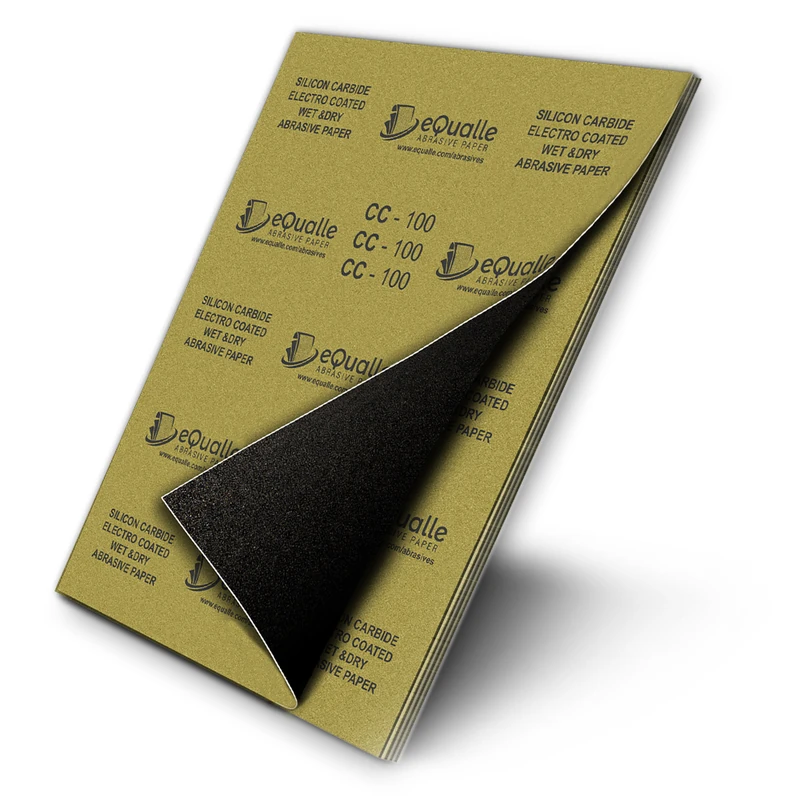
Stretching lifespan without false economy
You can extend abrasive life responsibly—without crossing into the false economy of pushing a dead sheet. The goal is consistent performance until natural retirement, not squeezing until quality collapses.
Use proper pressure and speed. Let the abrasive cut. Excess pressure shatters silicon carbide prematurely and drives swarf into the sheet. Two or three pounds of hand pressure is usually enough for finishing; on power sanders, allow the pad to float rather than stall.
Keep it wet when appropriate. With silicon carbide, a steady trickle or spray keeps slurry moving and grains sharp. Add a drop of dish soap to break surface tension. Wet sanding runs cooler, resists clogging, and lengthens usable life.
Clean, don’t clog. For dry use, a gum rubber cleaning block can clear aluminum oxide sheets and belts. For wet silicon carbide, rinse frequently and wipe the surface with a microfiber to remove spent grit and slurry that can scratch.
Respect grit progression. Skipping too far forces a fine grit to do a coarse grit’s job, exhausting the sheet and inviting random deep scratches. Typical jumps: 80→120→180→220→320→400→600→800→1000+ depending on material and finish goals.
Retire on time. Watch the scratch pattern. When it turns non-uniform or you need more passes to achieve the same haze, swap. Spending another 25 cents now often saves five dollars in compound and 30 minutes of rework.
According to a article, even outside sanding—like handgun grip upgrades—users weigh “quick, consistent results” against DIY, longer-lived but more laborious options (e.g., silicon carbide with epoxy). That same logic applies to abrasives: reliability and controlled outcomes often beat theoretical longevity when the task is sensitive and time matters.
Budgeting for performance and safety
Budgets expand when you factor the full job. It’s helpful to plan abrasives the way you’d plan finish or resin: by surface area, steps, and failure risk.
Start by mapping your grit ladder and estimating the number of sheets or discs per step based on material and technique. For example, a mid-size hood color sand might consume one to two silicon carbide sheets per grit when used wet and replaced at the first hint of fade. Build in a margin—one extra sheet per step—so you’re not tempted to push worn media when the job is 90% complete.
Mix media strategically. Use durable, lower-cost abrasives for early stock removal where scratch quality is less critical, then switch to silicon carbide for the finishing passes where control and surface health matter most. Pair the right backing with the task: film for flatness in high grits, cloth or heavy paper for shaping. Buy finishing grits in slightly higher quantities; the last 10% of refinement often consumes more passes.
Don’t ignore safety as a cost factor. Worn sheets generate heat and dust; pushing a tired disc can melt finishes or glaze resin, which then requires aggressive correction. Heat also shortens tool life and can damage pads. Wet sanding with the correct abrasive reduces airborne dust, keeps temperatures low, and maintains a consistent scratch—each a money-saver over time.
Finally, track your work. Note which combinations of grit, pressure, lubrication, and sheet brand give you the most reliable path to the desired finish. A simple logbook turns guesswork into data. Over a few projects, you’ll see which choices truly reduce total time and rework. That’s how you transform “price per sheet” into a predictable, lower cost per result.
Color Sanding Aluminum — Video Guide
A detailed comparison from an automotive finishing perspective explores aluminum oxide versus silicon carbide sandpaper for color sanding clear coats and single-stage paints. The presenter tests how each grain cuts, how the scratch pattern refines, and what happens during subsequent compounding and polishing.
Video source: Color Sanding Aluminum Oxide Vs Silicone Carbide Sandpaper - Which Is Best!? (Yes, there Is a Best)
120 Grit Sandpaper Sheets (50-pack) — 9x11 in Silicon Carbide Abrasive for Wet or Dry Use — High-cut abrasive for refining rough wood grain, removing scratches, and preparing bare surfaces for priming or staining. (Professional Grade).
Frequently Asked Questions (FAQ)
Q: Does silicon carbide sandpaper always cost more per job than aluminum oxide?
A: Not necessarily. It can cut faster and cleaner on hard coatings and when used wet, reducing time and compound use. If it prevents one step of rework or polish, the total job can be cheaper even if the sheets themselves don’t last as long.
Q: How do I know when to replace a sheet before it causes issues?
A: Watch the scratch pattern and feel. If you need more passes to achieve the same haze, see micro-swirls that won’t blend, or notice heat rise, swap the sheet. A timely change costs cents; late changes can cost hours.
Q: What grit progression minimizes risk when color sanding a clear coat?
A: Common ladders are 1000→1500→2000→3000 (or 2500→3000), all with silicon carbide used wet. Start as fine as possible to reach flatness, then refine in small jumps. Always test in a small area and use clean slurry.
Q: Can I extend abrasive life by using stronger pressure?
A: No. More pressure clogs and fractures grains prematurely, increases heat, and invites random deep scratches. Let the abrasive cut with light, even pressure and appropriate lubrication.
Q: When should I choose aluminum oxide instead of silicon carbide?
A: For rough shaping, sanding softwoods, or dry general-purpose work where longevity matters more than the finest scratch, aluminum oxide usually offers better life-per-dollar. Switch to silicon carbide for wet finishing on hard, brittle, or coated surfaces where surface integrity is critical.