
Best Sandpaper Brand: Warranties That Matter
Saturday morning, coffee in hand, sander humming, and a half-finished walnut tabletop under the lights—that’s when you learn what a guarantee is really worth. Two discs into a 120-grit pass, the hook-and-loop backing deforms, a corner tears, and your dust extractor starts pulling more resin dust than wood. You pause, look at the pack you bought on sale, and wonder: was the best sandpaper brand supposed to behave like this? Or was the box just louder than the bond? A good abrasive is supposed to disappear—quietly, consistently converting effort to flat, scratch-patterned progress. When it doesn’t, you lose time, money, and the feeling you were building something you’ll be proud to touch every day.
I evaluate abrasives the same way I approach any cutting tool: measure cut rate, track heat, inspect wear, and log failure modes. But with sandpaper, there’s another axis that matters once you move beyond hobby volumes—warranty and satisfaction policies. Abrasives are consumables, which means most companies only cover manufacturing defects, not “I ran it too hot on painted maple.” Yet the truth sits between policy language and what actually happens at the counter when a sleeve of 180-grit sheets arrives with off-center perforations or a batch of discs sheds grain like confetti. That’s where the best warranties feel less like marketing and more like a handshake.
Over the last year, I tested a dozen brands across wood species and finishes—red oak, hard maple, white ash, and MDF primers—logging disc life, clogging rates, and bond failures. Then I stress-tested the support experience: photos, batch codes, and channels (retailer vs manufacturer). Performance separates leaders; policies decide whether you stay with them when a bad batch slips through. If you’re choosing the best sandpaper brand for your shop, both sides of that equation matter—and I’ll show you how to judge them, engineer-style.
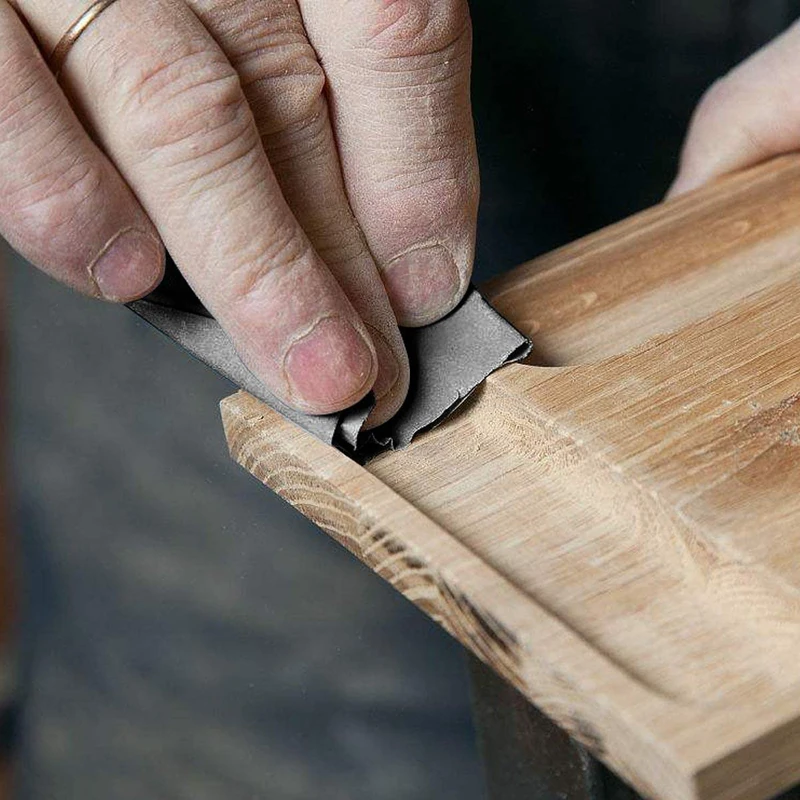
Quick Summary: Buy abrasives for measured performance, but keep the brand if their warranty resolves rare defects quickly and clearly.
When Performance Meets a Promise
In abrasives, performance takes the lead—but the warranty sets the floor. My bench tests start with three yardsticks: cut rate (stock removed per unit time), consistency (scratch uniformity and grit retention), and thermal behavior (disc temperature rise and resin smear risk). When a disc loads too quickly on maple end-grain or loses bite mid-pass on a catalyzed primer, it wastes more than material. It changes your workflow: more pressure, more heat, more swirl marks to chase with finer grits. That cascade is measurable, and it shows up as longer cycle times and more abrasive consumption.
Now layer in the “promise.” Warranties on sandpaper almost never guarantee life; they guarantee the disc or sheet was made correctly. That means: the mineral is what the label says, the backing meets weight specs, the resin cured, the holes are punched on pattern, and the hook-compatible loop meets pull-strength requirements. When a product fails inside that envelope—say, a batch with incomplete resin cure that sheds grain in the first minute—the brand’s warranty should make you whole with minimal friction. And when the failure falls outside the envelope—operator heat, misapplied grit, or incompatible interface pad—the policy should explain it in plain terms so your process improves.
In my shop, the brands that keep their spot in a drawer long-term share two traits. First, they exhibit predictable wear patterns: sharp early bite from ceramic or precision-shaped grains, then a graceful taper rather than a cliff. Second, when I flag a defect (off-round 8-hole patterns, weak hook adhesion, or heavy grit variation under magnification), the support path is clear and quick—ideally via the retailer with batch replacement or credit. A great abrasive gets you to your target surface faster. A great warranty quietly ensures the rare manufacturing miss won’t derail your schedule.
How to judge the best sandpaper brand warranty
Evaluating the policy is not about hunting for unlimited replacements—it’s about confidence that true manufacturing defects will be fixed fast. Here’s how I judge the best sandpaper brand warranty in a way that aligns with shop reality.
Clarity and scope: The strongest policies state, in one place, that abrasives are covered for manufacturing defects (not wear), define “defect” with examples (mis-punched holes, delaminating film, uncured resin, incorrect grit), and specify how to contact support. Vague pages force you to negotiate every time a batch is off.
Evidence requirements: A practical policy asks for photos of the issue, packaging with batch/lot codes, and a purchase date—reasonable proof that helps quality teams diagnose root cause. Demands for returning stacks of used discs at your cost are red flags.
Speed and channel: The best outcomes typically route through the retailer, who exchanges or credits same-day, then backfills with the manufacturer. When manufacturers handle it directly, the turnaround should be under a week. Pro customers need continuity.
Partial-pack handling: Real defects often show up mid-pack. Policies that refuse action unless the full, unopened box is returned ignore how shops discover issues. Look for language allowing partial-pack resolution when the defect can be demonstrated.
Consumable nuance: Some brands pair warranty coverage for “as manufactured” defects with a separate satisfaction window at the retailer (e.g., 30–90 days unopened/unused). This isn’t a product warranty but it matters when you trial a new grit or pattern and buy in bulk.
From my support tests, companies with detailed technical datasheets and published QC specs (grit distribution tolerance, backing weight, resin chemistry) also delivered smoother claims. That’s not a coincidence: if they control the process tightly, one-off defects are easier to isolate and they’re less defensive with customers.
If you’re comparing two similar products, give the nod to the one that pairs modern grain technology (ceramic, precision-shaped) with a transparent defect policy and a retailer who stands behind it. That combination keeps your sanding predictable, even when a lot goes sideways.
Abrasive science and failure modes
Understanding why sandpaper fails helps you separate user error from true defects—and that’s the heart of making a fair claim. Abrasive minerals cut differently. Aluminum oxide is tough and friable enough for wood, silicon carbide fractures sharper for finishes and non-ferrous metals, zirconia alumina likes pressure on belts, and ceramic/precision-shaped grains “microfracture” to refresh edges, maintaining cut rate longer. When a sheet dulls too fast, the question is: did the mineral type match the task?
Backing matters just as much. Paper backings range from A-weight (thin) to F-weight (heavy); film backings deliver uniform flatness for refined scratch patterns; cloth adds tear resistance for belts. If a disc tears at the edge with normal hand pressure, that’s suspicious on a C/D-weight paper and unacceptable on film. But if it tears after heat buildup from dry-sanding soft paint, that’s likely operational.
Bonding and coating finish the story. Phenolic resins hold grains; if cure is incomplete, grains shed prematurely. Stearate anti-loading layers help on resinous woods and paints but can smear if you exceed recommended surface speed or let heat spike. Open-coat vs closed-coat coverage changes loading behavior; open-coat is friendlier to softwoods and paint, closed-coat to hardwoods and metals. Hook-and-loop interface issues—loops “melting” or hooks fouling—often stem from running too slow a dust extraction or too high an RPM for the pad’s thermal tolerance.
Defect versus misuse boils down to repeatable observation. If three discs from the same lot delaminate within a minute on flat maple at the correct RPM and with dust extraction, that points to a bond or backing defect. If only edge discs fail while you’re feathering over a sharp chamfer, it’s technique. Keep notes, temperatures if possible (IR thermometer), and photos of scratch patterns and failure points; this evidence streamlines fair resolutions.
According to a article, some service providers in wood finishing emphasize strong warranties as a trust signal—useful context when you evaluate how much a brand’s promise should weigh alongside its abrasive chemistry.
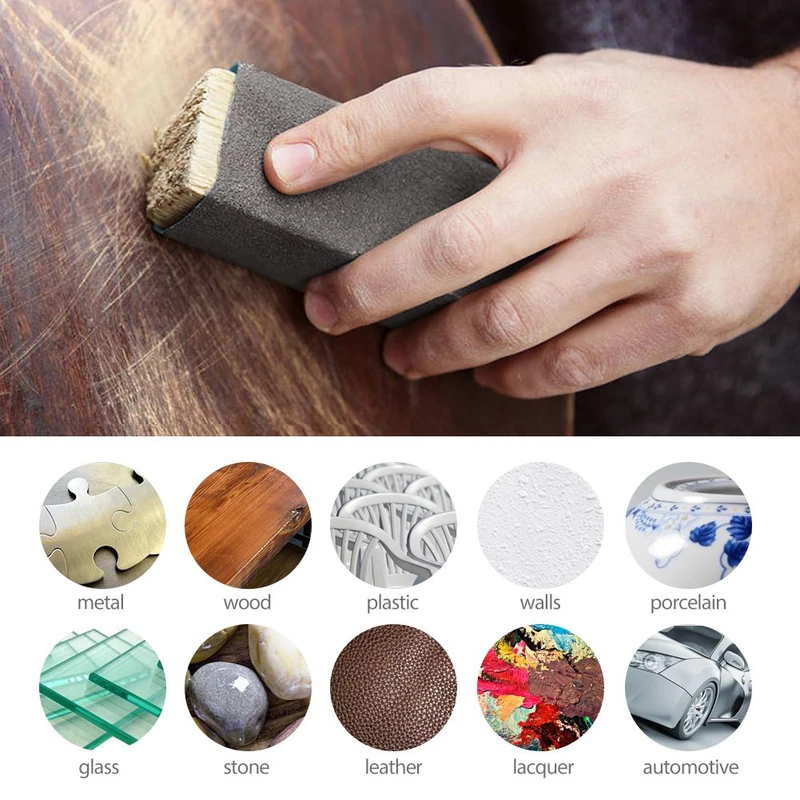
Test results and the fine print decoded
I ran side-by-side trials on 5-inch, 8-hole discs and 9x11 sheets across common shop tasks: leveling red oak at 80/120 grit, refining hard maple at 150/180, and scuff-sanding primer at 220/320. Brands included 3M Cubitron II (precision-shaped ceramic, film), Mirka Abranet/Abranet Ace (mesh), Norton ProSand/Blaze, Diablo SandNet and premium ceramic paper, Bosch and DeWalt contractor lines, plus a value brand.
Three patterns emerged:
Precision-shaped or high-grade ceramic keeps cut rate high longer. 3M Cubitron II and Norton Blaze sustained aggressive early cut before a gradual taper, translating to fewer disc changes per panel. In practical terms, that’s a workflow smoother than any warranty can fix after the fact.
Mesh products (Mirka Abranet, Diablo SandNet) excel at dust evacuation and loading resistance, especially on resinous woods and paint. Abranet Ace’s ceramic variant narrowed the durability gap with film-backed ceramics while keeping clogging minimal.
Mid-tier aluminum oxide on paper backings delivered acceptable results on hardwoods but required more changes to maintain finish quality. Value discs exhibited more grit variability under magnification (non-uniform scratch fields).
Policy-wise, most manufacturers formally warrant defects of materials and workmanship only. That sounds narrow, but in practice, the response depends on how clear your case is:
Defects honored quickly: mis-punched hole patterns that impaired extraction, disc-to-disc grit mismatch in the same pack, hook-and-loop failure at the adhesive layer, and film delamination on first use.
Denied or debated: thermal melt of loops from running at high RPM with a soft interface pad on paint, tear-outs at the edge from catching on corners, and heavy loading on soft pine with closed-coat aluminum oxide (misapplied spec).
Where brands differed was not promise language but friction. Teams with straightforward portals and batch-code traceability were faster and friendlier. Retailer relationships mattered even more; big-box stores with published satisfaction windows (30–90 days) smoothed exchanges for obvious defects, even mid-pack.
Actionable tips to protect your time and your claim:
Record the setup: tool RPM, pad/interface, dust extractor CFM, material, and grit sequence. A 10-second note on your phone turns anecdotes into evidence.
Save a label: keep the pack label or snap the lot/batch code. It’s the first thing QA asks for.
Calibrate pressure: let the abrasive cut; extra force accelerates heat and masks defects as misuse. If cut rate fades abruptly without pressure, that’s a signal.
Match mineral to material: ceramic/precision-shaped for hardwood stock removal, mesh or stearated papers for paint/resinous woods, silicon carbide for finishes. Misapplication undermines both performance and claims.
Test a sleeve before bulk buy: run five pieces across two jobs. If variability shows, resolve it small before you stock up.
As for recommendations: If you prioritize pure throughput and consistent finishing, a film-backed precision-shaped ceramic (e.g., 3M Cubitron II) earns its spot, with manufacturer support that has been straightforward in defect cases. For exceptional dust control and low loading on finishes, Mirka’s Abranet/Ace series balances performance with widely supported exchanges via pro distributors. Norton’s Blaze line offers strong ceramic value and responsive support. Diablo’s mesh and ceramic papers provide accessible performance with retailer-friendly satisfaction windows. Contractor-tier Bosch/DeWalt/Makita lines are serviceable for general carpentry, but batch variability shows up sooner; buy smaller quantities more often and lean on retailer exchange policies when packs miss the mark.
Best "Sandpaper" Brand? — Video Guide
If you prefer seeing side-by-side cutting instead of reading lab notes, there’s a helpful video that pits major names against each other—3M Cubitron, Diablo, DeWalt, Dura Gold, Mirka, Tiger Shark, Makitoya, Norton, Bosch, and Makita—asking which one truly earns a place in your drawer. The host runs common grits on typical shop tasks, highlighting cut speed, loading, and durability.
Video source: Best "Sandpaper" Brand? 3M Cubitron, Diablo, Mirka, Norton, Makita, DeWalt, Bosch Sand Paper
120 Grit Sandpaper Sheets (10-pack) — 9x11 in Silicon Carbide Abrasive for Wet or Dry Use — High-cut abrasive for refining rough wood grain, removing scratches, and preparing bare surfaces for priming or staining. (Professional Grade).
Frequently Asked Questions (FAQ)
Q: What does a sandpaper warranty usually cover?
A: Nearly all abrasive warranties cover manufacturing defects only—things like mis-punched holes, delamination, uncured resin, or incorrect grit in a labeled pack. They do not cover normal wear, misuse, heat damage from excessive pressure, or using the wrong abrasive for the task.
Q: Will brands replace partially used packs if I find a defect mid-job?
A: Often yes, if you can document a clear, repeatable defect and provide the batch code and proof of purchase. Many retailers will exchange or credit mid-pack when the issue is obvious. Keep a few failed pieces and your packaging for photos.
Q: How do I prove a defect versus operator error?
A: Reproduce the issue with at least two pieces from the same pack under correct conditions—proper RPM, dust extraction, matched mineral to material, and light pressure. Photograph the failure point (e.g., bond line, delamination) and include the lot code in your claim.
Q: Do satisfaction guarantees mean I can return used sandpaper?
A: Not generally. Retail satisfaction windows typically allow unopened or lightly trialed items back within a set period. Defect warranties are separate and may accept used pieces as evidence. Check the retailer’s published return policy and the manufacturer’s defect policy—both affect the outcome.
Q: Is paying more a reliable proxy for durability and support?
A: Up to a point. Premium ceramic and precision-shaped grains with film backings deliver longer, more consistent cut—and many of those brands operate mature QA and support processes. But price alone isn’t a guarantee; verify with a small-run test and confirm the retailer/manufacturer path for resolving defects before you buy in bulk.