
Eco sandpaper and smarter waste handling tips
The shop lights hum on, and the smell of fresh cedar mixes with yesterday’s varnish. There’s a reclaimed-oak door on the sawhorses, and I’m smoothing it down with eco sandpaper—stearate-free, plant-resin bonded, the kind that cuts clean and lasts longer. The passes are steady, overlapping, and the grit sings that faint hiss that tells you the surface is getting honest. It’s a moment I love: you, the tool, the wood, the plan. But I’ve learned the hard way that the project isn’t done when the last coat flashes off. The real finish includes what happens to the mountain of sawdust, the sticky used brushes, the worn discs, and the crumpled rags warm with oil.
If you’ve ever opened the shop door Monday morning to the smell of sour solvent or seen a trash can with a puff of smoke from oil-soaked rags, you know waste handling isn’t paperwork—it’s craftsmanship. It protects your lungs, your tools, your budget, and your reputation. And when you choose materials wisely—yes, even something as simple as eco sandpaper—you’re stacking the deck in favor of less waste and easier disposal.
I’m Lucas Moreno, and I run my shop like a job site and a classroom. The same attention we give to tracking a straight cut or reading grain should go to what lands in the bin and where it goes next. Today, I’m walking you through a workshop-ready waste plan: how to set up for clean sorting, make smart abrasive choices that reduce trash, tame liquids and rags safely, move metals and e-waste without headaches, and tap your city’s resources so you’re not guessing. This is the gritty, hands-on side of sustainability—measured in clean air filters, tidy bins, and zero “uh-oh” moments.

Quick Summary: Build a simple, labeled system to sort shop waste at the source, choose longer-lasting eco materials, dry and contain oily rags, and use local services to dispose responsibly.
Set up your shop for clean waste flow
Every clean build I’ve managed starts with waste planned into the workflow, not tacked on at the end. Treat disposal like you treat your cut list: organized, simple, and right where you need it. Start by mapping your major mess makers—sanding stations, finishing corner, metal bench, electronics drawer—and park a dedicated container at each.
- At the sanding station: a sealed bin for sawdust and a flat box for spent discs and sheets.
- In finishing: a metal can with tight lid for oily rags and a separate crate for empty, dried cans.
- At the metal bench: a tub for ferrous scrap (magnet grabs it), a second for nonferrous (aluminum, brass).
- Near the assembly bench: a small “sharps” jar for broken blades and screws.
Label boldly. I use painter’s tape and a marker: Dust Only (No Wet), Used Abrasives, Oily Rags—Dry First, Metal—Magnet Sticks, Metal—Magnet Doesn’t. Keep liners simple—paper bags for dry dust, contractor bags only when needed. When you make the right action the easy action, sorting stops being a chore.
Air matters, too. Connect your sanders to a dust extractor with a HEPA filter and collect fines at the tool, not the floor. Swap bags before they bulge; an overstuffed collector is a tear waiting to happen. Empty the sander’s onboard bag outdoors into your Dust Only bin—leaving headroom so you can twist and tape it shut without sending a cloud into your face. For floors, vacuum first, sweep second; sweeping alone launches the fines you just tried to capture.
Three workshop-tested tips:
- Mount a whiteboard “waste log” by the door: note HHW drop-off dates and what’s queued (solvent cans, batteries).
- Zip-tie a magnet to the metal bin handle—one swipe tells you where a mystery bracket belongs.
- Stash nitrile gloves and zip-top bags at every station for surprise messes (glue squeeze-out, sticky brush heads).
Choosing eco sandpaper and sorting abrasives
Abrasives are quiet waste producers. The right choice reduces consumption, dust, and headaches on disposal day. Eco sandpaper—made with plant-based resins, stearate-free coatings, recycled paper or cloth backers, and efficient grit bonding—usually lasts longer, clogs less, and sheds fewer micro-particles. Fewer discs used equals fewer discs tossed. That’s real impact you can measure by the empty sleeve count at month’s end.
Grading your abrasives:
- Backing: C/D-weight paper works for hand work, but a cloth back (J/F-weight) on machines survives heat and folds better for profiles—often doubling lifespan.
- Grit selection: Don’t jump grits wildly. 80→120→180→220 is efficient; skipping steps chews more paper than it saves time.
- Open coat vs closed coat: Open coat handles resinous woods and paints with less loading—ideal if you reface cabinets or refinish doors.
- Mesh discs: They vent dust through the whole pad, extending life and reducing swirl marks when paired with a vacuum.
Sorting matters because abrasives aren’t all equal after use. If you sanded clean wood or cured water-based finishes, spent paper can go with general shop trash. If you touched lead paint, asbestos-containing mastics, or unknown coatings in an old house, that’s a different story—bag and label as hazardous per your local rules. The same goes for discs used on fiberglass or carbon fiber; those fibers are not street-sweeper safe.
Actionable abrasive-handling tips:
- Dedicate discs: Mark discs used on paint with a “P” so they never touch bare wood (cross-contamination causes fish-eyes in finish and complicates disposal).
- De-gunk on the fly: A crepe rubber stick cleans loaded belts and discs, adding hours of life.
- Save trimmings: Cut worn 5-inch discs into finger-sized strips for hand-sanding corners; get the last 10% before tossing.
- Bag fines: When you empty dust, gently compress air out of the bag and twist-tape it shut; loose fines in your bin equal airborne dust for the truck guy and your driveway.
When in doubt, assume the abrasive holds whatever the surface held. Separate, bag, and note the source on the label. It turns end-of-week cleanup into a quick, confident drop at the right facility.
Taming liquids: finishes, solvents, and oils
Liquids and rags are the part of the shop that can bite. Oil-soaked rags can self-heat and ignite as they cure; solvents off-gas; and wet paint in a trash bag becomes a sticky, leaking problem. Handle them like you handle a sharp chisel—deliberate and with a plan.
Start with rags. If you’re using drying oils (boiled linseed, tung, Danish), set up a rag-drying line: a wire with spring clips, away from dust and out of the sun. Hang rags fully open until stiff—12–48 hours depending on temp. Once cured, place them in a metal can with a tight lid. For solvent-wet rags (mineral spirits, lacquer thinner), wring back into the can for reuse, then air-dry outdoors before binning. Never ball rags; that’s how heat concentrates. If your city requires a special oily-rag pickup, bag and label instead of curing.
Finishes split into two lanes: water-based and oil/solvent-based. Water-based paints and polys can often be air-dried in a shallow tray or solidified with cat litter. When cured to a solid block, most municipalities allow disposal as regular trash—check your local rules. Oil/solvent products are household hazardous waste (HHW). Keep a dedicated tote for “Wet/HHW—Liquids” and use original containers with labels intact. If a can is empty and completely dry inside, leave the lid off and place it with recycling if accepted, or with scrap metal otherwise.
Solvent management is simple if you treat it like a two-stage filter:
- Decant: Let solids settle in a jar overnight, pour off the clear top to a “clean” container, and reuse for brush cleaning.
- Capture: Keep the sludge in the “dirty” jar; when full, cap tightly and add to your HHW tote.
- Vent safely: Always close lids; evaporation is wasteful and hazardous.
Final wipe-down tip: swap tack cloths for a slightly damp microfiber connected to your dust extractor; you’ll pull fines into the vacuum, not into your lungs. And for brush care, switch to water-based where performance allows—you’ll trade hazardous solvent waste for graywater you can let settle and decant, disposing of the skimmed solids appropriately.
Metal, e-waste, and batteries made easy
Nothing pleases a shop goblin like a tidy scrap cart that pays you back. Metals are straightforward if you separate them and keep them clean. Use a magnet to divide ferrous (steel, iron) from nonferrous (aluminum, brass, copper). Nonferrous brings better scrap prices, so don’t contaminate it with screws or nails. Keep metal free of caulk, thick paint, or wood; a quick pass with a chisel or heat gun preserves value and eases recycling.
Hardware and blades get their own rule. Dull planer knives, snapped drill bits, broken utility blades—drop them into a sealed “sharps” tin (old coffee can with a slit lid). When full, tape and label “sharp metal” so nobody down the line gets a surprise. Sawzall blades coated in demolition grime? If they’re caked in unknown residues, treat with caution—bag and tag for HHW if you suspect asbestos mastics or lead paint.
E-waste is the sneaky pile: dead drill batteries, fried chargers, the shop radio that finally gave up. Never toss. Lithium-ion cells can spark fires when crushed in the garbage truck. Tape battery terminals (clear packing tape works) and bag them by chemistry if you can read the label—Li-ion, NiMH, alkaline. Most hardware stores take them; otherwise, schedule a drop-off with your county.
According to a article many municipal services publish simple recycling guides, offer curbside bulky pickup, and even rent short-term dumpsters for remodel debris—check what’s available before you start a big tear-out.
Three quick wins:
- Mount a battery drop box by your exit; when it’s full, it’s time for a run.
- Keep a small brass/copper jar by your soldering station; those offcuts add up.
- Photograph odd items before disposal; your recycler may confirm by email if it’s acceptable, saving a wasted trip.
Curbside, drop-off, and community resources
You don’t need to be a regulatory scholar to do this right; you just need a calendar and a couple of phone numbers. Start with your city or county waste authority website: download their recycling/HHW schedule and post it in the shop. Put reminder alerts on your phone one week before each HHW event. Batch your drop-offs in sturdy boxes, grouped by type: Finishes, Solvents, Batteries, E-Waste.
Curbside works best when you respect the crew. Bag dust tightly, leave lids off dried paint cans so workers can see they’re empty, and avoid overloading bins. For bulky, clean wood offcuts, many cities accept tied bundles at curbside; confirm size limits. Construction and remodel waste usually needs a special pickup or roll-off—plan it into your project timeline rather than scrambling when the driveway’s full.
Community options can turn waste into resources:
- Maker spaces and school shops often accept clean hardwood offcuts for turning and carving.
- Habitat-style reuse stores love surplus fasteners, handles, and hinges—keep a donation box in view so you actually use it.
- Neighborhood swap groups will happily take that odd-size hinge you over-ordered—just include dimensions in your post.
When you’re prepping a drop, label clearly. I write with a marker right on the container: “Oil-based poly—1 qt—half full—opened 2/2026.” That saves questions at the event and speeds your turn. Keep a small “compliance kit” in your truck: contractor bags, labels, tape, gloves, a rag, and a couple of bungees. Somebody ahead of you will show up with a leaking can; you’ll be the hero who helps contain it while protecting your own load.
Finally, always ask. Haulers and facility staff know their rules and are happy to steer you—especially when you show up sorted and respectful. A five-minute phone call before you start a messy demo can save an entire Saturday and a set of dirty looks at the transfer station.
Ask The Pool — Video Guide
In this short Ask The Pool Guy segment, the crew explains why a pool’s ecoFinish coating can feel rough, almost like fine sandpaper, and what that tells you about the application and care. They dig into texture, curing, and how environment and technique affect the final feel.
Video source: Ask The Pool Guy: Why does my ecoFinish feel like sandpaper?
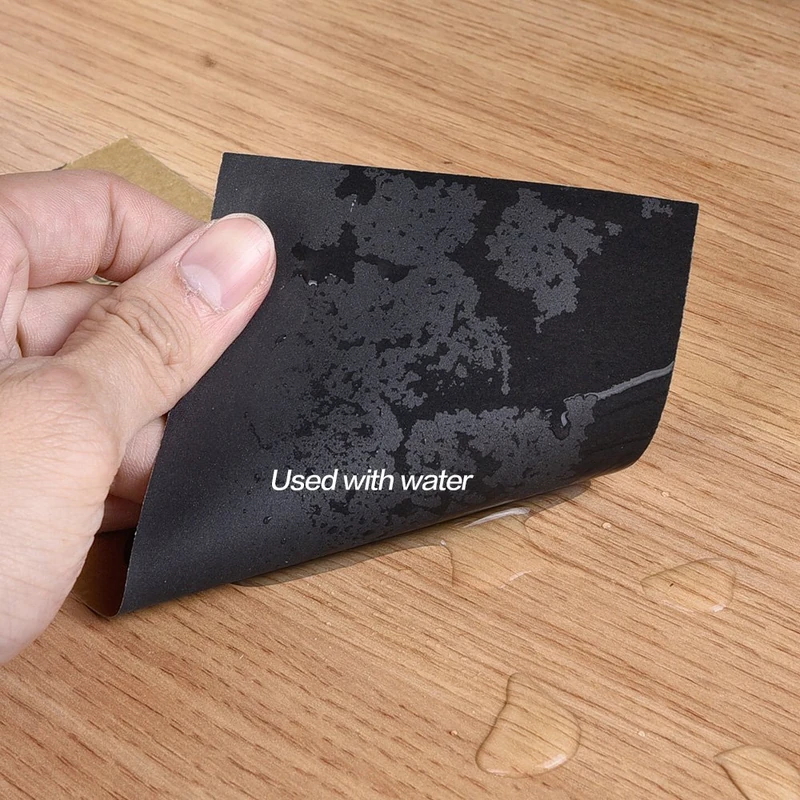
100 Grit Sandpaper Sheets (25-pack) — 9x11 in Silicon Carbide Abrasive for Wet or Dry Use — General-purpose coarse sandpaper for smoothing rough surfaces and removing old coatings. Works well on wood, metal, and resin projects. Designed for wet or dry sanding between aggressive 80 grit and finer 150 grit stages. (Professional Grade).
Frequently Asked Questions (FAQ)
Q: Can I compost sawdust from the shop?
A: Only if it’s clean, untreated wood and you didn’t sand exotic or allergenic species. Never compost dust with finish, glue, MDF, or pressure-treated wood; bag and trash those.
Q: What’s the safest way to handle oily rags day to day?
A: Hang them open to dry on a line until fully hardened, then store in a lidded metal can. For large volumes or shop policies requiring it, bag and label for HHW instead.
Q: Are used sandpaper discs recyclable?
A: Generally no. Most are composite materials with resins and grit. Focus on reduction: choose longer-lasting eco sandpaper, clean with a crepe stick, and cut down for hand use before disposal.
Q: How do I dispose of leftover latex paint?
A: Air-dry small amounts in a shallow tray or mix with kitty litter to solidify. Once fully cured, many municipalities allow trash disposal with the lid off; verify local rules.
Q: What should I do with a swollen lithium battery from a tool pack?
A: Don’t puncture or compress it. Isolate in a nonflammable container, tape terminals, and take it to a certified e-waste or battery recycler; never place it in curbside trash.