
Wood Sanding to Remove Planer and Mill Marks
You can do everything right—perfect joinery, tight glue lines, grain-matched panels—and still watch a stain reveal flaws you missed. I’ve been there. Years ago, I finished a hard maple tabletop in the late afternoon, shop windows throwing low raking light across the surface. Dry to the touch, it looked glassy. But the moment I wiped on dye, shallow arcs lit up like ripples under water. Planer tracks I thought I had “sanded out” now telegraphed through the color. That evening turned into a lesson I still reference: the wood does not care how eager you are to finish. It records every interaction—knife marks, heat, pressure—and exposes them under stain.
Today I approach removal of planer and mill marks like an engineer, not a gambler. I structure the sequence, log the scratch pattern, and use tests to confirm flatness before committing to finish. The key is disciplined wood sanding and an honest diagnostic of what’s on the surface: are you dealing with scalloped knife marks, compression “mill glaze,” belt sander chatter, or shallow tearout? Each defect asks for a specific first move—hand plane, scraper, or coarse abrasive—and a controlled grit progression that replaces deep, oriented tracks with shallow, consistent, random scratches that disappear under film or penetrating finishes.
In this guide, I’ll walk through how I evaluate surfaces, choose abrasives based on material science (grain type, backing, coating), match tools to the job, and validate results with raking light, guide coats, and “wet-out” tests. The goal is repeatable, not lucky: remove marks once, confirm, and move forward with confidence.
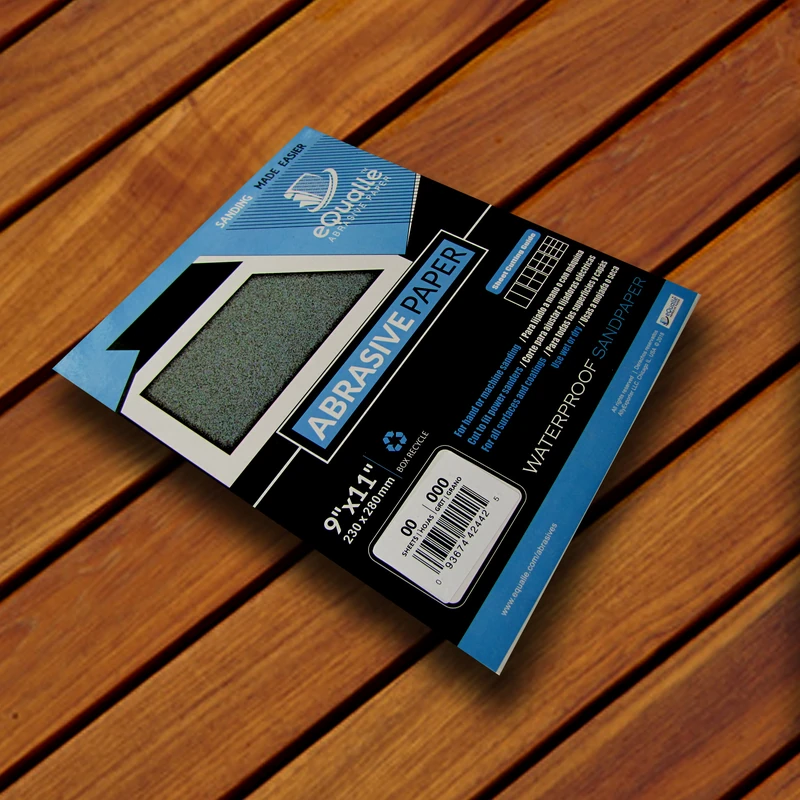
Quick Summary: Identify the defect, pick the right first tool, run a deliberate grit progression with clean abrasives and dust extraction, then verify under raking light and wet-out before finishing.
Diagnosing Planer and Mill Marks
If you can name the defect, you can choose the fastest fix. Most “mystery lines” under stain trace back to a few predictable culprits:
- Planer scallops: Regular arcs with a pitch set by feed speed versus cutterhead rpm. The arcs often run full-width and repeat rhythmically.
- Compression burnish (often called “mill glaze”): A glossy, compacted surface from dull knives, excessive feed pressure, or heating. It resists wetting and stains blotchily.
- Roller dents and snipe: Localized depressions at board ends or under infeed/outfeed pressure points.
- Random orbit “swirls”: Typically from contaminated or worn discs, or from skipping grits and trying to “polish” away deeper scratches.
Start by setting the light, not the sander. Use a raking light at 10–20 degrees across the surface. Draw a soft pencil hatch (a “guide coat”) everywhere, then take a light pass with a card scraper or a fresh 150-grit disc on a random orbit sander (ROS). The pencil will stay in low spots and disappear on highs, immediately mapping the topography. A cabinet scraper with a sharp burr can also “read” the surface: it will bite cleanly on highs and skate over compressed, glazed fibers. If you suspect compression burnish, a drop of water or mineral spirits should quickly darken intact fibers; glazed areas will look pale or bead up momentarily.
Check the orientation. Planer scallops run along the feed direction; belt lines are straight and parallel; chatter may show as closely spaced ripples. If a line extends across boards in a panel glue-up, it’s almost certainly from a wide-belt drum, planer, or jointer. Lastly, look at the wood. Dense maples and birches tend to broadcast shallow defects loudly under dyes, while open-pore oaks hide minor swirls but spotlight cross-grain scratches. The right diagnosis up front prevents you from wasting discs at 220 grit when you really needed a cutting tool or 80 grit to reset the surface.
From machine tracks to wood sanding strategy
Once you’ve mapped the defects, design your wood sanding plan around the deepest feature you must erase. Sanding progression is not about impatience; it’s about managing scratch geometry. You must replace deeper, oriented marks with a series of progressively shallower, randomized scratches, each small enough to disappear under the intended finish.
- For clear, uniform scallops you can feel with a fingernail, start with a cutting tool if possible: a sharp No. 4/5 hand plane with a light camber, or a card scraper. Two benefits: speed, and clean fibers with minimal heat. Follow by ROS at 80 or 100 grit to randomize.
- For compression burnish or shiny “mill glaze,” skip the plane and begin with 100–120 grit open-coat aluminum oxide or ceramic discs. Apply minimal pressure and keep the sander moving. The first goal is to break the glazed surface everywhere; your guide coat will tell you when you’ve done that.
- For isolated roller dents or snipe, spot-flatten with a scraper or block plane before you touch a machine sander; otherwise you’ll “dish” around the defect.
Choose grit steps by ratio, not comfort. A reliable progression is roughly a factor of 1.4–1.7 between steps: 80 → 120 → 150 → 180 → 220 for hardwoods; 100 → 150 → 180/220 for softwoods. Skipping from 80 to 180 often leaves ghost scratches that show up under dye. Spend your time where it counts: about half your total sanding time belongs at the first grit that actually removes the defect. Clean dust frequently and keep discs fresh; a loaded 120 cuts like a 180 but leaves heat and swirls.
Actionable tips:
- Use a pencil guide coat at every grit; don’t advance until all previous scratches are uniformly replaced.
- Sand edges and fields with the same grit before moving up; mixing grits creates halos at transitions.
- Run ROS on medium speed with light pressure; let the abrasive cut and use vacuum extraction to reduce heat and loading.
- Pause to “wet-out” with mineral spirits after your target grit; if lines emerge, drop back one grit and address them now.
- On figured woods (curly maple, quilted mahogany), prefer scrapers/hand planes to avoid torn fibers, then start ROS at 120.
The throughline is discipline. If a defect survives 30 seconds at 80 grit, it won’t vanish by “polishing harder” at 180. Reset, cut flat, then refine.
Abrasive science: grits, cuts, and heat
All sandpaper is not created equal. The material science behind abrasives directly affects cut rate, heat generation, and scratch uniformity—each critical when removing planer and mill marks.
- Grain type: Aluminum oxide (AO) is the workhorse—tough and micro-fracturing so it stays sharp longer. Ceramic alumina cuts cooler and faster at coarse grits; it shines for initial flattening (80–120) on dense hardwoods. Silicon carbide is sharp and brittle; superb for between-coat work and end grain, but it dulls faster on long-grain hardwood flattening.
- Coating density: Open-coat papers leave gaps between grains to reduce loading on resinous or gummy woods (pine, cherry). Closed-coat cuts slightly finer at the same grit and can polish rather than cut if clogged. For mill glaze or planer heat marks, open-coat with a stearate (anti-loading) layer reduces heat spots and swirl risks.
- Backing: Cloth backings (X-weight) stay flat and durable on ROS and belt sanders. Flexible J-weight backings conform better to contours but can “dish” flats if you lean on edges. For tabletops or panels, a firm pad with X-weight discs cuts flatter.
- Bonding and heat: Phenolic resins bind grain to backing and soften with heat. Too much pressure or poor dust extraction overheats the resin, smears wood fibers, and lays down the very defects you’re trying to erase—glossy tracks that reject stain. Keep abrasives cool: vacuum on, pressure light, move steadily.
Dust extraction is more than cleanliness: it maintains an open cutting face, lowers temperature, and yields a more consistent scratch field. Multi-hole discs paired with matching pads noticeably reduce swirl marks. Interface pads change the game too; a 5 mm foam interface on an ROS refines curves but can round board edges and telegraph swirls if used on flats. For flat panels, use a firm or medium pad without an interface, and break edges by hand.
According to a article, sanding remains the reliable, universal remedy for planer knife or compression marks—provided you start coarse enough to actually remove the defect and verify before moving up.
Finally, let scratch orientation work for you. After the first ROS grit, a brief hand-sanding pass with the grain at the same grit can knock down stray pigtails and align micro-scratches with the wood fibers, especially on species that highlight cross-grain sheen.
Tooling: ROS, hand planes, and scrapers
I treat tools as stages of material removal: cut, then randomize, then refine.
- Hand planes: When scallops are visible and uniform, a sharp bench plane (light camber, fine set) removes them in a few strokes, creating a flat datum. For reversing or figured grain, use a high-angle frog or back bevel to avoid tearout. Set the mouth fine, and skew the plane to lubricate the cut.
- Card scrapers: My go-to for localized defects—roller dents, errant belt lines, glue splotches. A properly turned burr shears fibers cleanly and keeps heat low. After scraping, a ROS at 120 integrates the scraped zone into the broader scratch field. Burnishers matter; a consistent burr beats brute force.
- Random orbit sanders (ROS): A 5-inch ROS is maneuverable; a 6-inch covers more area, runs smoother under vacuum, and cuts faster. Keep orbit speed mid-range for control. Use a firm pad for flats, and change discs at the first sign of dulling or loading. Avoid telegraphing: don’t stall the sander or lean on corners; keep it flat and in motion.
- Belt sanders and drum/wide-belt: Belt sanders are efficient but can introduce their own linear scratches and divots. If you must use one to reset a wild surface, follow promptly with ROS at an appropriate coarse grit. If your stock came off a drum or wide-belt sander, expect parallel lines; treat them as oriented scratches and start coarser than you think (often 100 rather than 150).
Keep tooling honest with tests. Before finishing, I always do a raking-light pass and a wet-out on an offcut from the same batch. If dye is planned, I test on the offcut using the same sequence I used on the workpiece. That’s where you’ll see whether a pigtail or faint swirl wants to broadcast through color. Finally, manage edges. Many “planer marks” people notice on tabletops after finishing are actually low, burnished edges from aggressive ROS passes. Break edges by hand with a block and the final grit—two or three light passes—to maintain crispness without creating a shadow line.
Surface prep, inspection, and finish tests
Even with good cutting and sanding, inspection makes or breaks the finish. Bake these checks into your workflow:
- Raking light: Park a lamp low and sweep across the entire surface after each grit. Rotate the board 90 degrees and repeat; some scratches only appear in certain orientations.
- Guide coat every time: Reapply the pencil hatch before each grit. If any old scratches or defects remain afterward, you’ll see small islands of pencil in depressions or a faint ghost pattern.
- Wet-out preview: Wipe a panel with mineral spirits or denatured alcohol. This simulates how finishes reveal the scratch field. If lines pop, don’t rationalize—go back one grit and remove them. For water-based finishes, also “water-pop” after final sanding to raise loose fibers; then lightly scuff with your final grit or a grey abrasive pad.
- Magnification and touch: A 10x loupe will show whether your scratch pattern is consistent and whether pigtails remain. Your fingers, sliding obliquely across the grain, can feel a ridge you can’t see.
Actionable sequence for a maple tabletop with visible planer scallops:
- Knock down scallops with a sharp plane or cabinet scraper until they’re barely detectable by fingernail.
- ROS 100 grit with firm pad and vacuum; erase all guide coat and replace plane tracks with random scratches.
- ROS 150, then 180; keep the sander moving; change discs as soon as they dull.
- Hand-sand lightly with 180 along the grain to align surface sheen.
- Wet-out test. If clear, ROS 220 or hand-sand 220, depending on the finish system.
- If staining, test on a scrap prepped identically; adjust your final grit (sometimes stopping at 180 provides better dye penetration on dense woods).
Remember species behavior. Dense, closed-pore woods (maple, cherry) can get blotchy if sanded too fine or overheated; stop at 180–220 before dye. Open-pore woods (oak, ash) are forgiving with 180–220 but will showcase cross-grain scratches; hand-sand the final grit with the grain. If you suspect residual compression from milling, a light pass with a scraper across the whole surface before your first ROS grit can relieve it and reduce later color mismatch.
Beginner Sanding Mistakes — Video Guide
If sanding feels “easy but boring,” that’s where mistakes creep in. This beginner-focused walkthrough covers the traps I see most: skipping grits and expecting 220 to erase deep tracks, pressing too hard and generating heat (which burnishes fibers and makes swirls), and pausing the ROS on edges, creating dish-outs and glossy halos. It also demonstrates how a pencil guide coat and raking light reveal what your eyes miss under shop lighting.
Video source: Beginner Sanding Mistakes | How to Sand
2000 Grit Sandpaper Sheets (50-pack) — 9x11 in Silicon Carbide Abrasive for Wet or Dry Use — Precision polishing grit designed to remove haze and restore clarity to clear coats and high-gloss automotive paint. (Professional Grade).
Frequently Asked Questions (FAQ)
Q: How do I know what grit to start with to remove planer marks?
A: If you can feel the scallops with a fingernail, start with a cutting tool or 80–100 grit ROS. If they’re only visible under raking light, 100–120 grit usually suffices. Confirm with a pencil guide coat.
Q: Why do marks show up only after staining?
A: Stains amplify differences in surface density and scratch depth. Compressed or glazed fibers absorb less color, and deeper oriented scratches trap pigment, both becoming visible under finish.
Q: Is scraping better than sanding for mill marks?
A: Scraping or planing removes defects quickly and leaves clean fibers with minimal heat—an ideal first step. Follow with ROS to randomize and blend. Sanding alone can work but may take longer.
Q: What’s the safest grit to stop at before applying dye?
A: For dense hardwoods, 180–220 preserves absorption and limits blotching. Test on an offcut prepped the same way; adjust finer or coarser based on the color uniformity you see.
Q: How can I avoid ROS swirl marks on tabletops?
A: Use a firm pad, keep the sander flat and moving, apply light pressure, match multi-hole discs with vacuum extraction, replace loaded discs promptly, and hand-sand the final grit with the grain.