
Furniture Refinishing Without Losing Antique Character
You find the chest by accident—tucked in a corner of the attic, draped in an old quilt that smells a little like cedar and a little like dust. When you pull it into daylight, the chips and water rings show first, then the scars from three generations of moves across town and back. You run your hand along the lid and feel a finish that’s gone brittle. It’s beautiful, but tired. This is where a lot of folks reach for a sander and call it a day. In my workshop, that’s the last thing we do. Furniture refinishing has its place, but if you’re holding a piece with family history, the goal isn’t new—it’s honest. You want to keep the life that’s already there and coax it into looking cared-for again.
I’ve spent years bringing old surfaces back from the brink without stripping them to bare wood. In many cases, the original finish—shellac, lacquer, even early varnishes—can be revived, blended, or supported with new film where it’s failing. And when a full refinish truly is necessary, there are smarter, lighter ways to do it that keep the edges crisp and the color story intact. The trick is discipline: careful diagnosis, gentle cleaning, small repairs done well, and only then, any talk of sanding. Done right, the surface you end up with won’t look “restored.” It’ll look right.
Picture this as a shop session, not a museum lecture. I’ll show you what to test, what to clean with, when to glue, how to level a patch you’ll never find again, and how to refresh a topcoat so the piece glows—without erasing a century of touch. Roll up your sleeves. We’ll go step by step, so you can keep your antique’s character while making it ready for everyday use.
Quick Summary: Diagnose the original finish, clean and reamalgamate where possible, make tight structural and veneer repairs, then refresh and blend the topcoat so age and function meet in the middle.
Diagnose before you touch a sander
The first pass is triage. You’re not fixing anything yet—you’re learning the patient.
- Hardware and loose parts: Photograph hardware in place, then bag and label each set by location. Back plates often hide unfaded wood; note that for later color-matching.
- Structural integrity: Check for racked frames, loose legs, and chair joints that creak. Lightly twist opposite corners of drawers to gauge looseness. Firm up structure before you chase surface issues.
- Finish type test: Rub a discreet spot with a cotton swab dampened with denatured alcohol. If it gets tacky or transfers color fast, it’s shellac. Try lacquer thinner on another spot; quick softening points to lacquer. If neither budges much, you’re likely in varnish/poly land.
- Odor and contamination: Mildew? Smoke? Animal stains? These need targeted cleaning approaches later; note the problem areas.
Now look at the surface like a topographic map:
- White rings and blush mean moisture trapped in the finish—not necessarily in the wood.
- Alligatoring (cracked, crazed film) may be re-fused on shellac and lacquer. Varnish often requires more nuanced support.
- Black stains near hardware or feet could be iron/tannin reactions or deep water damage. Some can be minimized without stripping; some can’t.
Sanding? Park it for now. If you sand a finish that can be reamalgamated, you’ll create low spots and halos you’ll fight for hours. If you do need to level something at this stage—say, a heavy drip from a bad touch-up—use a cabinet scraper with a fine hook and a bright raking light. Scrapers cut film cleanly without loading the pores with dust.
Pro tip: Use painter’s tape to mask crisp edges and carvings before any aggressive work. Original edges are the first thing overzealous sanding erases, and nothing makes a piece look “refinished” faster than rounded profiles that should be sharp.
Clean, reamalgamate, and keep the patina
Most antiques don’t need a strip—they need a bath. You’re after dirt, wax build-up, silicone polishes, and smoke residues that flatten color and sheen.
Start safe and scale up:
- Dry clean first. A soft brush and vacuum remove grit that would otherwise act like sandpaper.
- Soap and water judiciously. Mix a few drops of a mild, dye-free dish detergent in a quart of warm distilled water. Wring a microfiber cloth almost dry and work small sections, following the grain. Immediately wipe with a second cloth dampened with clean water, then a dry towel. Don’t soak edges or veneer seams.
- Degrease with mineral spirits. For waxy build-up or old polish, 0000 steel wool lightly charged with odorless mineral spirits will dissolve grime without swelling wood. Work with the grain, flipping the wool to a clean face often.
- Silicone contamination (from years of spray polish) can cause fish-eyes in new finishes. After mineral spirits, wipe with naphtha, then let the piece breathe a day. Use a barrier coat (dewaxed shellac) later to lock contaminants down.
Reamalgamation: If your test showed shellac or lacquer, you can often reflow the existing film.
- Shellac: Lightly pad with a cloth dampened with denatured alcohol. Think “barely wet” and quick, overlapping passes. The surface will gloss up as micro-cracks fuse. Don’t hover—you’ll print your pad and go through.
- Lacquer: Use a dedicated blush remover or a very light lacquer thinner mist sprayed from a distance. This melts and levels minute imperfections.
White rings: Before anything else, try low heat. Place a cotton cloth on the ring and pass a household iron at low temp for a few seconds at a time, checking often. If that fails, a light alcohol pad (for shellac) or careful use of a commercial ring remover can help.
Sanding at this stage is micro-sanding: worn 320 or fresh 600 grit wrapped around a cork block, used only to knock down nibs after the film has been reflowed. Avoid edges. If you see color on your paper, you’re through the finish into the dye/patina layer—stop and reassess.
Finish the cleaning phase with a tack cloth or a vacuum with a brush attachment. The surface should feel cleaner, not raw, and you may already see depth you thought you had to strip to get.
When furniture refinishing is the right move
Sometimes the honest call is to refinish—but with restraint. If the finish is missing in broad areas, flaking off in sheets, or the wood has deep black water damage, a controlled refinish can stabilize the piece and make it usable.
Minimalist refinish roadmap:
- Strip with care. Choose a non-caustic, low-odor stripper that gives you working time. Lay it on thick, let chemistry do the heavy lifting, and lift sludge with a plastic scraper, not a putty knife. Rinse per product instructions; I favor denatured alcohol or naphtha over water to avoid swelling veneers.
- Preserve color. The goal is to keep oxidation and original dye in the wood. Avoid aggressive sanding. After stripping, use a sharp cabinet scraper to kiss off residue, then scuff with 320 grit just enough to smooth fibers. Keep a light hand on edges and profiles.
- Lock the story. A 1–1.5 lb cut of dewaxed shellac as a washcoat seals in old color and blocks contaminants. It’s also a forgiving base for almost any topcoat.
- Tone, don’t repaint. If sun-fading left drawer fronts lighter than the frame, use a dye or toner in thin layers to nudge color—not bury it. Build from light to dark; stop as soon as it blends under ambient light.
- Topcoat with intention. For antiques, shellac or traditional resin varnishes read “right” under the eye. If you need water resistance (dining table), consider a wiping varnish but keep sheen in the satin-to-semi range.
Edges are sacred. Tape them during sanding and between coats. If you round a crisp chamfer that’s survived 120 years, you can’t get it back.
According to a article.
If you’re on the fence, refinish individual panels rather than the whole piece. For example, a desk top can be stripped and rebuilt while drawer faces and aprons are cleaned and reamalgamated. That blend often looks more authentic than a uniform, brand-new sheen.

Smart repairs: glue-ups, veneer, and color
With the surface under control, make the repairs that restore strength and erase distractions without erasing history.
Joinery and structure:
- Re-glue loose mortise-and-tenon joints with hide glue (liquid hide is fine for most DIY). It sets slower, reverses with heat and moisture, and plays nice with future conservators. Use proper clamping cauls to keep faces aligned; check for square, not just tightness.
- For split drawers, inject glue with a thin tip, clamp across the split with cauls, and wipe squeeze-out immediately with a water-damp cloth.
Veneer:
- Lifted veneer can often be saved. Warm it gently with a hairdryer to relax old glue, then work liquid hide glue underneath with a palette knife. Clamp with a flat caul and wax paper. For missing chips, cut a patch from matching veneer slightly oversized, align the grain, and tape it in place with blue tape before trimming flush with a sharp chisel.
- Sanding around veneer is sniper work. Back your paper with a hard block, start at 400 grit, and only fair your new patch into the surrounding surface once it’s sealed with shellac to avoid color lift.
Color and touch-ups:
- Address black iron stains (from wet steel) with a targeted oxalic acid solution, neutralize, and allow to dry fully. Mask surrounding finish so you don’t create halos.
- For scratches that break color but not the finish, use alcohol-soluble dyes or touch-up markers sparingly, then feather with 0000 steel wool to knock the shine back.
- Chips through the finish can be filled with shellac sticks or wax fill sticks depending on wear expectations. Shellac sticks set hard and take a rub-out; wax is easier but less durable.
Rub-out and sheen:
- After your topcoat cures (shellac 48 hours, varnish longer), level dust nibs with 1000–1500 grit wet/dry paper on a rubber block, using mineral spirits as a lubricant. Stay off edges.
- Then rub out with pumice (F) and oil on a felt block for semi-gloss, followed by rottenstone for a softer glow. Wipe clean and finish with a thin coat of paste wax buffed once dry.
Actionable tips from the bench:
- Keep edges crisp by masking them with two layers of blue tape before any sanding or rub-out, peeling the top layer halfway through so you never over-cut the line.
- When color-matching a patch, view under warm and cool light; aim a little light and sneak up with a toner rather than overshooting dark.
- Use a card scraper on cured finishes to true a raised fill level; you’ll get flat faster and with less risk than freehand sanding.
- For chairs, clamp dry first to test alignment, then glue; once glue is in play, you don’t have time to discover you need another hand.
- If silicone contamination creates fish-eyes in a new coat, stop and add a barrier coat of dewaxed shellac before proceeding. Don’t chase fish-eyes with more finish.
Restoring without Refinishing: — Video Guide
There’s a great shop-floor example from restorer Thomas Johnson, who revives a weary Victorian blanket chest without resorting to stripping. He walks through diagnosing the existing finish, deep cleaning, and targeted repairs that make the piece presentable again while leaving its age and charm intact.
Video source: Restoring without Refinishing: an Antique Chest - Thomas Johnson Antique Furniture Restoration
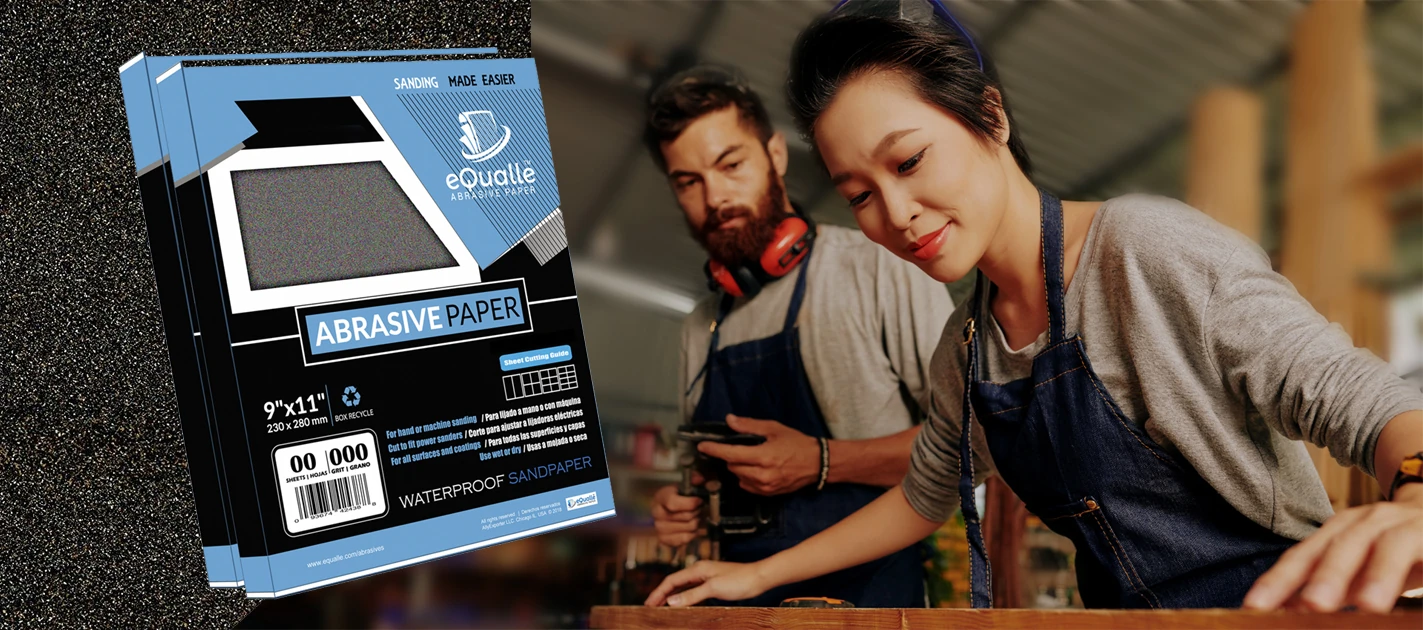
2000 Grit Sandpaper Sheets (100-pack) — 9x11 in Silicon Carbide Abrasive for Wet or Dry Use — Super-fine grit for restoring deep gloss on automotive paint, resin, or metal. Removes micro-defects and surface haze. Ideal for precision polishing prior to waxing or compounding. (Professional Grade).
Frequently Asked Questions (FAQ)
Q: How do I tell if my antique’s finish is shellac, lacquer, or varnish?
A: Dab a hidden spot with a cotton swab and denatured alcohol. If it gets sticky quickly, it’s shellac. If lacquer thinner softens it, you have lacquer. If neither reacts much, it’s likely an older varnish or later polyurethane.
Q: Can I safely clean an antique with soap and water?
A: Yes—lightly. Use a few drops of mild, dye-free soap in warm distilled water. Wring the cloth nearly dry, clean small areas, and follow with a rinse cloth and a dry towel. Avoid soaking joints, edges, or veneer seams.
Q: When should I choose a full furniture refinishing job?
A: When the film is failing across large areas, flaking to bare wood, or when deep water damage and odors won’t respond to cleaning and spot repairs. Even then, strip gently, preserve color, and rebuild finishes with traditional materials to keep the piece’s soul intact.
Q: What’s the best way to fix a lifted veneer corner?
A: Warm the area to relax old glue, wick liquid hide glue underneath with a palette knife, and clamp with a flat caul and wax paper. If veneer is missing, cut a grain-matched patch slightly oversized, glue, then trim and level only after sealing with shellac.
Q: How do I deal with white water rings on a table top?
A: Start with low heat: place a cotton cloth over the ring and use a warm iron for a few seconds at a time. If that fails and the finish is shellac, a light alcohol pad can reamalgamate. For lacquer, a blush remover mist can help. Work gently and stop as soon as the mark subsides.