
Trim sanding: keep sharp edges crisp and clean
On a Saturday morning, sunlight pours across the baseboards like a ruler-straight beam, and you see every tiny flaw all at once. The freshly filled nail holes look fine, but something else feels off. That shadow line at the top of the baseboard—the one that makes the profile look intentional and crisp—has softened. You didn’t cut it wrong. The paint didn’t ruin it. The culprit is quieter: trim sanding done the way most of us learned, with fingers wrapped around paper and a few hurried passes along the edges. It seemed harmless in the moment, but the light tells the truth.
If you’ve ever repainted casing around a door and wondered why the corners lost their definition, or touched up crown and noticed the once-sharp quirk now blends into the flat, you’ve met the same problem. Rounding happens gradually, and usually at the very end of a project when patience is thinnest. Yet that final appearance—the tight corner, the crisp quirk, the clean shadow—is what makes trim feel expertly made, even in an older home with character. The good news is that keeping edges sharp isn’t about working longer or buying exotic tools. It’s about changing how pressure is applied and where abrasives make contact.
This guide is here to help you sand with intention. We’ll turn down the default habit of finger-wrapping abrasive paper and replace it with simple backers, sequence, and checks that preserve the architecture of your profiles. Whether you’re finishing paint-grade MDF or stain-grade hardwood, the goal is the same: keep the arrises crisp, the profiles true, and the lines of light and shadow exactly where the mill intended. Trim sanding can be quiet work. Done well, it stays invisible—and that’s precisely the point.
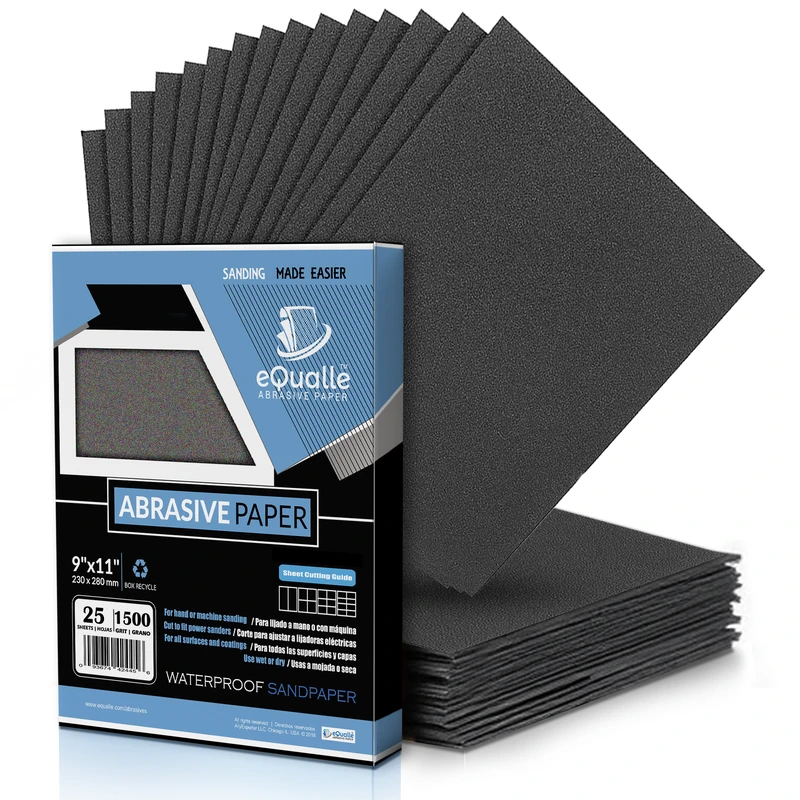
Quick Summary: Preserve trim’s crisp edges by sanding with firm backers, controlled pressure, a careful grit sequence, and frequent visual checks rather than fingers alone.
Why edges round—and how to stop it
Rounding is physics, not failure. When you wrap sandpaper around your fingers, the soft, curved surface concentrates pressure at edges. As you move along the profile, those edges get more abrasion than the flats, gradually softening the arris. The same thing happens with overly soft sanding sponges, thick foam interface pads, and dull paper that pushes you to bear down harder. The edge is a high point, so it attracts the most wear first.
There are four common culprits:
- Finger-wrapping: Your fingertips are domed. They automatically roll over corners.
- Soft backers: Foam blocks and sponges conform, which is great for gentle curves but terrible for crisp profiles.
- Aggressive grits and skipping steps: Jumping from 120 to 220 encourages heavier pressure and more edge loss.
- Cross-grain strokes and wobble: Short, diagonal passes cut fast—but often flatten details unintentionally.
Stopping rounding means changing the interface, not the goal. Instead of letting the abrasive self-shape around details, you present a flat, firm face to the surface so the edge receives no more pressure than the field. Think of the sandpaper as a cutting plane: the backer establishes the geometry, and your touch controls the feed rate.
Practical methods include using hardwood or dense rubber blocks for flats and shop-made profile blocks that match coves and beads, and keeping abrasives fresh so you don’t have to lean in. Light, linear strokes with the grain further minimize unintended shaping. Most importantly, develop the habit of “no-fly zones” at edges—approach them with the edge of a firm block held parallel, never perpendicular, so you touch the flat, not the corner itself.
Tools that keep trim sanding crisp
The right tools make crispness repeatable. You don’t need a cabinet full—just a handful of firm backers and a few clever shop-made aids that control where the abrasive touches.
- Hardwood blocks with clean edges: Mill a few blocks from maple or beech with perfectly square faces. Round the block’s arrises slightly so only the flat meets your work. Wrap paper around the block and keep it taut.
- Dense rubber or cork blocks: Choose higher-durometer rubber for flats and low-profile profiles; cork offers a touch of give without collapsing into corners.
- Profile sanding sticks: Make your own with PSA (pressure-sensitive adhesive) paper on shaped sticks—use dowels for coves and coved sticks for beads. Label each stick with its radius and grit.
- Card scraper and burnisher: A sharp scraper skims flats and keeps edges dead true without pushing into corners. Add a light burr and pull with shallow pressure.
- Blue tape as a “fence”: Apply painter’s tape along edges you want to protect. The slight thickness works like a stop, reminding your block to ride the flat instead of the arris.
Actionable tips:
- Start with a “hard first” mindset: Flats get hard blocks; curves get custom sticks. Avoid finger pressure on any arris.
- Use pencil guide coats: Lightly scribble a pencil line on flats and at edges. Sand until the flats are clean but the pencil line at the arris remains—a visual brake.
- Keep grits fresh: Replace paper at the first sign of clogging or heat. Dull paper demands pressure and invites rounding.
- Build a micro-fence: For long runs, double up painter’s tape along the edge you want to save; the 0.1–0.2 mm shoulder keeps the block honest.
- Pre-shape sticks for common moldings: Keep a small rack labeled by radius so you don’t “hunt” with flexible foam that can erase details.
These tools shift control back to you, ensuring the abrasive shapes only what you intend, and never more.
Precision trim sanding without rounding edges
Process matters as much as tools. Work in a sequence that manages risk early and refines gently as you go. For painted trim, your priorities are flatness, adhesion, and crisp lines. For stain-grade trim, add “scratch control” to avoid swirl marks that catch the finish.
A reliable step-by-step:
- Inspect first with raking light: Hold a flashlight or work light at a shallow angle to reveal scratches, glue spots, and high corners.
- Mark no-fly zones: Run a pencil along sharp edges; this line should remain faintly visible until your final pass or intentional micro-bevel.
- Start at 120–150 grit on flats only: Use a hard block with straight, with-the-grain strokes. Keep the block flat on the field; don’t roll over edges.
- Address profiles with matched sticks: Switch to pre-shaped sticks for beads and coves, using minimal pressure and full-length strokes to prevent divots.
- Progress grits gradually: Move to 180 and 220, re-applying pencil lines and verifying they’re still present at arrises.
- Clean thoroughly between grits: Vacuum and tack to remove dust that can scratch on the next pass.
- Finish with a whisper: Your last passes should feel more like dusting than cutting.
According to a article.
Paint-grade specifics:
- Prime raises grain. After the first coat of primer, sand lightly with 220 on a hard block. Re-establish no-fly pencil lines and avoid edges; touch them only if fuzz is visible.
- MDF edges are thirsty and fragile. Seal with primer or thinned PVA first, then sand lightly with a firm block to avoid tearing the fiber.
Stain-grade specifics:
- Stop at 180–220 depending on species. Higher grits can cause blotching on soft woods.
- Use a card scraper on flats whenever possible; it refines without compressing edges and minimizes cross-grain scratches.
This measured sequence keeps the structure of the profile intact while elevating surface quality.
Grain, grits, and quality checks
Edges stay sharp when abrasion is even, predictable, and verified in good light. Three routines help: smart grit progression, with-the-grain motion, and frequent checks that tell you when to stop.
Grit progression:
- Don’t skip: 120 → 150 → 180 → 220 is safer than 120 → 220, which tempts heavy pressure and over-sands edges.
- Match grit to species and finish: 150–180 for most paint-grade trim; 180–220 for stain-grade hardwoods like maple or oak.
Strokes and orientation:
- Keep strokes with the grain on flats. Short cross-grain “spot fixes” can flatten tiny details before you notice.
- On profiles, use full-length strokes that match the curve. Short, choppy motions create dips.
Quality checks that save edges:
- Raking light: Aim a light at a shallow angle to exaggerate highs and lows. Stop the moment flats look uniformly matte.
- Pencil guide coat: Re-apply a faint line at arrises between grits; treat it as a do-not-cross tape.
- Tactile pause: Lightly draw the back of a fingernail across edges. Crisp arrises “catch”; softened edges feel vague. Check often, sand less.
- Test board: Keep an offcut of the same molding as a sacrificial practice piece to dial in pressure and grit before touching your installed trim.
Optional micro-bevel:
- If safety or paint chipping is a concern, introduce a controlled, tiny bevel (about 0.2–0.3 mm) with a block plane or two light passes of 220 on a hard block. Do it intentionally, evenly, and only after the field is fully prepped so the bevel reads as a design detail, not a sanding accident.
These habits encourage you to remove just enough material and no more, preserving the clean intersection that creates crisp shadow lines.
Repairing dings without losing the profile
Real-world trim has scars: nail blowouts, dents from vacuums, and wobbly caulk from years past. Repairing them while protecting crisp edges calls for targeted tools and a light touch.
Paint-grade repairs:
- Fill first, shape second: Use a high-quality water-based wood filler or two-part epoxy for larger defects. Overfill slightly to avoid sinking.
- Shape with firm guides: Sand fillers with a hard block on flats and profile sticks that match the molding. Avoid soft sponges that smear filler into details.
- Knife edges, not sand: For tight corners, pare cured filler with a sharp chisel or utility blade, then do minimal sanding to blend flats.
Stain-grade repairs:
- Steam dents: Raise shallow dents with a damp cloth and a hot iron. Let the fibers swell and dry before sanding very lightly.
- Color-first strategy: For chips or missing bits on visible edges, consider CA glue and fine sawdust from the same species. Shape with files and profile sticks before final sanding.
- Use shellac sticks for tiny voids where color match is critical, then scrape flush rather than sanding aggressively.
Edge protection during repair:
- Mask a millimeter off each edge with painter’s tape to act as a fence while you blend repairs on the flat. Remove, reassess under raking light, and only then decide whether the edge needs a final feathering pass.
- Create “do-not-touch” zones: Draw a line 1–2 mm away from the arris on both sides of a corner. Shape everything up to, but not over, that line. Come back with a single, controlled pass at the end if needed.
The principle is simple: rebuild and shape the flat planes, then reconnect them cleanly at the edge with minimal action there. Repair success is measured by what you can’t see.
Beginner Sanding Mistakes — Video Guide
If sanding feels simple but your results don’t look sharp, a clear demonstration helps. In this beginner-friendly video overview of sanding mistakes, the host shows why sanding is “easy” to start yet demands real technique to finish well. Expect examples of pressing too hard, skipping grits, and letting soft backers roll over edges—plus fixes you can use immediately.
Video source: Beginner Sanding Mistakes | How to Sand
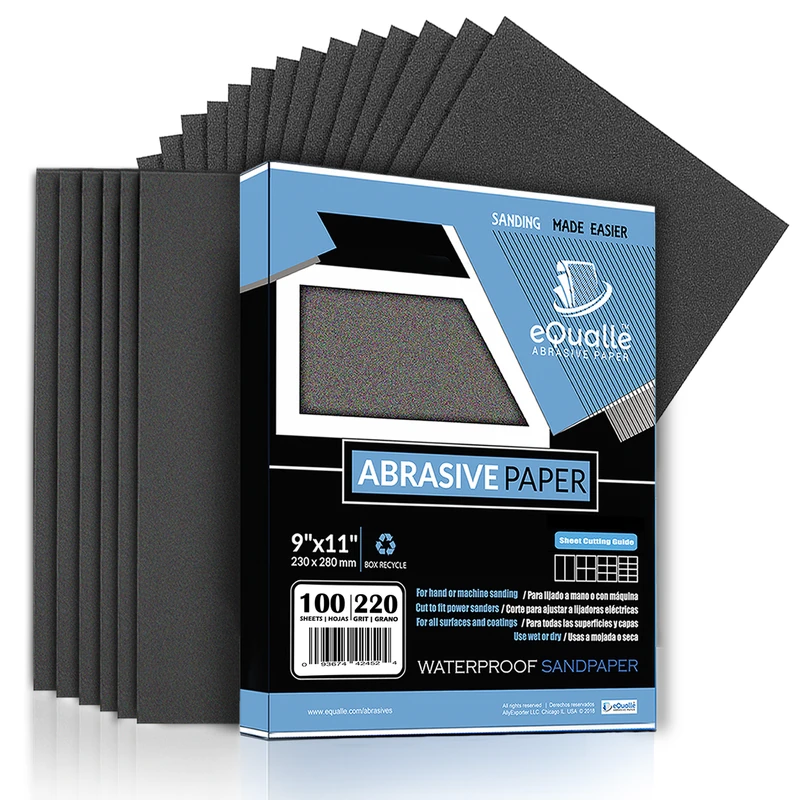
100 Grit Sandpaper Sheets (100-pack) — 9x11 in Silicon Carbide Abrasive for Wet or Dry Use — Balanced coarse grit combining power and control—perfect for blending rough sanding marks before progressing to finer grades like 150 or 180. (Professional Grade).
Frequently Asked Questions (FAQ)
Q: How do I sand baseboards without rounding the top edge?
A: Use a hard sanding block on the flat face with light, with-the-grain strokes. Mark the top arris with a pencil line and avoid crossing it until the final pass. If fuzz remains, make one light pass at 220 with the block held flat, not rolled over the edge.
Q: What grit should I start with on painted trim prep?
A: Typically 150 for scuff-sanding existing paint, then 180–220 after primer raises the grain. On raw wood, begin at 120–150, then progress to 180–220. Avoid jumping straight from 120 to 220.
Q: Is finger sanding ever okay on trim?
A: Use fingers only in concave spots where a matched profile stick won’t reach, and even then, back the paper with a small dowel or shaped stick. Bare-finger sanding near edges is the fastest path to rounding.
Q: Should I ease edges to prevent paint chipping?
A: If durability is a concern, intentionally add a tiny micro-bevel (0.2–0.3 mm) with a block plane or two controlled passes at 220 on a hard block. Keep it consistent so it looks deliberate, not accidental.
Q: How do I protect MDF edges during sanding?
A: Seal edges with primer or a dedicated MDF sealer first. After it dries, sand lightly with 220 on a firm block. Avoid aggressive pressure or soft sponges that can tear fibers and round details.