
Guide Coat Sanding: Spot Low Areas and Pinholes
You don’t really see a panel’s truth until the dust tells on it. I’ve watched that moment happen a thousand times—shop lights low, block in hand, the soft rasp of paper working across a primed fender. You stop, breathe, and the surface speaks back in contrasts. Highs flash clean. Lows stay dark. Tiny pinholes wink like constellations in a night sky. That’s the power of guide coat sanding: it takes “smooth enough” out of the equation and replaces it with facts. No guesswork, no last-minute surprises in basecoat. Just a clear map of where to work and when you’re done.
My first real lesson came on a battered pickup door that had seen more parking-lot “howdy-do”s than a rodeo rail. I chased waves with a short block until my wrist ached, convinced I could “feel” it right. Then my mentor dusted the panel with a dry guide coat and handed me a 16-inch block. Two minutes later, I could see what I’d missed: a broad, shallow dish right through the body line, plus a sprinkle of pinholes where I’d mixed filler a hair too dry. The fix wasn’t dramatic—just systematic. Mark the lows, refill, block long, re-coat, and read it again. When the contrast finally disappeared evenly, we both knew the paint would lay like glass.
Whether you’re prepping a show-piece hood or a daily driver bumper cover, the principle’s the same. The eye lies. The hand can be fooled. The guide coat doesn’t. Use it at every shaping stage, from rough filler work to your last block before sealer. With a smart setup, the right block, and the discipline to cross-sand, you’ll spot low spots and pinholes fast, fix them once, and stop wasting time redoing clears because of sink-backs and ghost lines. This is the workshop way: clarity before color, truth before topcoat—and a finish you can be proud of.
Quick Summary: Use guide coat sanding to create contrast, expose lows and pinholes instantly, and follow a disciplined block-sanding workflow to fix flaws with confidence.
See the Surface Like a Pro
If you want a dead-straight panel, learn to “read” the surface. That starts with raking light, a clean work area, and a rigid block. I don’t care how experienced your hands are—without contrast and a long enough block, a subtle low will evade you. Lights should be off to one side and low to the work, not blasting from overhead. You’re not trying to illuminate; you’re trying to cast shadow. That’s how you spot waves, shallow dishes, and tiny pinholes.
Prep first. Degrease the panel, blow it off, and knock down any obvious high spots with a hammer and dolly or a careful pass on a hard block. If you’re on bare metal, epoxy prime before filler so your foundation stays stable. If you’re in high-build primer, make sure it’s fully cured; soft primer lies under the block and heals overnight into fresh lows.
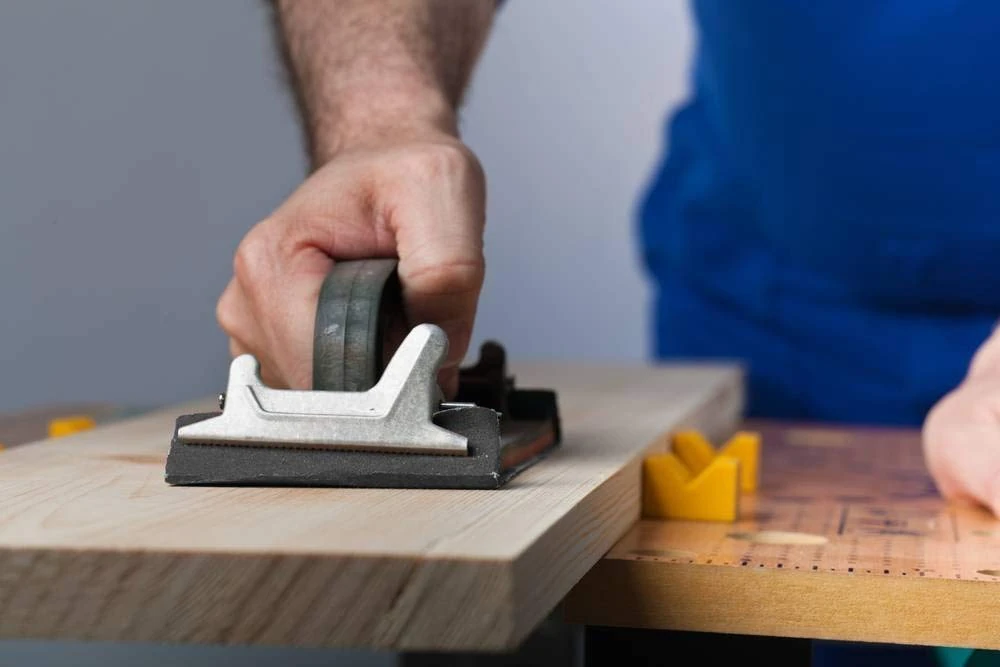
Use the right block for the job. A 16–24 inch rigid block is your straightener. Flexible blocks are for gentle curves, not for body lines you need razor-straight. Wrap your paper tight and keep the block clean. Your first passes should be diagonal—about 45 degrees—then cross the other way. Think of it as mowing with a pattern and overlap so you don’t miss a patch.
Tips to see like a pro:
- Kill the overhead glare; work with a low raking light across the panel.
- Pencil X’s lightly across suspect areas before sanding—they vanish evenly when you’re flat.
- Use your off-hand as a “feeler gauge,” but confirm with the block and guide coat, not guesswork.
- Reset often: blow off dust, step back, and look along the panel’s length, not just at it.
Why guide coat sanding reveals every flaw
Guide coat isn’t magic paint; it’s simply contrast in powder or a light mist. When you dust a panel with a black dry guide coat over grey primer—or a light color over dark—the highs cut clean first. Lows, pinholes, and sanding scratches hold the contrast. That’s your map. The rule is simple: if the coat remains in an area after a few even passes with the correct block and grit, it’s low or textured and needs attention.
Dry guide coat has real advantages in a busy workshop. The ultra-fine powder sits in pores and tiny defects without clogging paper. It doesn’t load the surface with solvent or moisture, and you can reapply instantly to re-check your work. A light aerosol mist in a contrasting color can work too, but keep it whisper-thin. You’re not painting—you’re making a tracer.
Application steps:
- Blow off and wipe the panel dry. No water for this stage; keep it honest.
- Dust the surface with dry guide coat. Aim for a faint, even peppering, not a blackout.
- Block-sand with the right grit for the stage: 80–120 on filler shaping, 180–220 on high-build prime, 320–400 for final straightening before sealer.
- Cross-sand at 45 degrees in overlapping passes. Don’t “chase” a spot with tight circles; keep the block long and the strokes even.
- Re-dust, re-block, and watch the pattern disappear. Consistency across broad areas tells you you’re on plane.
Reading the result:
- Speckled freckles that won’t vanish are pinholes; they need to be filled, not ground out.
- Gray edges cutting quickly while the center stays dark means a dish—refill, don’t over-sand the perimeter.
- Persistent dark lines can be scratch marks; go one grit coarser to level, then step back up.
Pressure matters. Let the block and grit do the cutting. If you lean, you’ll make more work later, especially around edges where a millimeter becomes a mile in topcoat.
Pinholes: tiny craters, big headaches
Pinholes usually come from air in filler, overworking a mix as it kicks, dragging dry dust into wet primer, or from porous gelcoat and fiberglass. Under paint, they telegraph as little fish-eyes or crater dots that ruin a glassy finish. The good news: guide coat contrast makes them obvious before you ever pull the spray gun trigger.
Diagnosis is straightforward. After a light coat of guide powder and a few passes with 180–220 on a block, pinholes show as sharp black specks that refuse to sand away. If you have to dig to erase them, stop—grinding pinholes just creates more divots and thin spots.
Best-practice repairs:
- For small fields of pinholes, use a 2K polyester glazing putty with a hardener, not a 1K solvent spot putty. It cures faster, shrinks less, and sands clean.
- For widespread micro-porosity (common on fiberglass), squeegee a thin epoxy skim into the surface after a proper scuff; the epoxy wets out and seals tiny voids better than polyester alone.
- Clean meticulously. Blow out pinholes with dry air, then wipe with a suitable solvent that won’t leave residue. Avoid flooding—solvent can stay in pores and cause later defects.
- Squeegee direction matters. Press diagonally across the grain of the previous sanding to force material into the craters, not just skate over them.
- Give it full cure time. Rushing re-sand leads to sink-backs that reappear under clear.
According to a article, chasing pinholes by sanding alone often backfires—you end up thinning adjacent areas and uncovering more defects. Fill what’s low; don’t erase the surrounding good work.
After filling, re-dust with guide coat, block with the appropriate grit, and inspect again under raking light. You want to see a clean, even cut with no stubborn freckles. If they persist, repeat the clean-fill-sand cycle rather than hoping primer will bury them. Primer builds film, but it doesn’t change physics—craters will print if they aren’t truly filled and leveled.
Low spots and highs: diagnose and fix
The guide coat tells you where the surface is honest and where it’s fibbing. A rim of clean cut around a dark center screams “low dish.” Conversely, a bright island surrounded by contrast is a high that needs knocking down. Diagnose first; then choose the right remedy.
For lows, filling is faster and truer than grinding the world down to it. Feather the perimeter with 80–120 on a rigid block to create a gentle transition. If you’re on bare metal, scuff epoxy and add filler “wet-on-wet” within the recoat window or after a fresh scuff—filler sticks better to epoxy than to raw steel over time. Mix your body filler well, folding to avoid air. Apply pressure as you spread; you’re aiming to press material into the low, not hover over it.
For highs, use a hard block with 80–120 to kiss them down. Keep your passes long and even. If a high persists because it’s backed by stretched metal, reach for a hammer and dolly to shrink and re-shape, then return to the block. Don’t over-sand around the flaw; you’ll just create a new low.
Repair steps:
- Map with guide coat and a pencil. Circle persistent dark or bright areas.
- Decide: fill the low or level the high. Choose the least invasive route.
- Cut the area with the correct grit and block; clean and degrease.
- Fill or knock down as needed. Let each layer cure properly.
- Re-prime if you break through or if you’ve added substantial filler.
- Reapply guide coat and block cross-wise. Repeat until the contrast vanishes evenly across a broad area.
Watch your edges and body lines. They cut fast, and it’s tempting to “chase” perfection into a rounded mess. Guard them with tape when needed, and use the edge of the block, not your fingertips. When the guide coat finally clears in wide, even swaths—with no halos, freckles, or islands—you’ve earned the right to move up in grit.
Workflow, grits, and dust control
A clean, repeatable process keeps you from wandering. Here’s a workshop-proven workflow that integrates guide coat sanding from start to finish.
- Metal/bodywork: Hammer and dolly your highs; shrink as needed. Clean thoroughly.
- Epoxy primer: Two medium coats for corrosion protection and a stable base. Let it cure fully.
- Filler shaping: Apply filler over scuffed epoxy. Block with 80–120. Dust with guide coat often—don’t wait until “the end.”
- High-build primer: Two to three coats to level texture. Cure, then guide coat and block 180–220. Re-prime light if you break through.
- Final straightening: Guide coat again. Block 320–400 (dry) or 400–600 (wet, after the dry work is truly flat). When the contrast disappears evenly, you’re ready for sealer and color.
Dust management matters as much as grit choice. Dust clogs paper, hides contrast, and grinds back into your work. Use extraction on DA sanders when appropriate, but reserve final straightening for blocks. Blow off often, and wipe with a clean, dry microfiber—no silicone, no oily hands. Keep separate rags for solvent and dry wipe-downs. If you choose any wet sanding, stop long before topcoat to allow full dry-out; moisture trapped in pores is a pinhole’s best friend.
Five workshop tips for cleaner, faster results:
- Swap papers early. If it stops cutting, it’s making heat and waves. Fresh paper is cheaper than rework.
- Use contrasting guide coat colors as you step through stages. Dark over light, light over dark—it sharpens your read.
- Protect edges with low-tack tape while blocking broad flats. Remove for a final, light pass to keep lines crisp.
- For subtle crowns, use a slightly flexible long block and keep your wrist locked—let the block, not your fingers, decide the shape.
- Re-check under different light angles before you put tools away. If it’s flat in two directions, it’s flat.
Guide coat sanding isn’t a one-time step; it’s a recurring quality control. Every time you change material or grit, re-dust, re-block, and confirm. That discipline is what separates a “good enough” panel from a professional finish that stays straight for years.
TECH TIPS: Dry — Video Guide
In a concise how-to segment, a 3M application engineer walks through when to reach for a dry guide coat, how to apply it correctly, and what its contrast is really telling you. He explains why a powder guide is clean, fast, and accurate during collision repair—and how it prevents you from sanding past true or missing micro-defects before paint.
Video source: TECH TIPS: Dry Guide Coat for Sanding - When, How, and Why
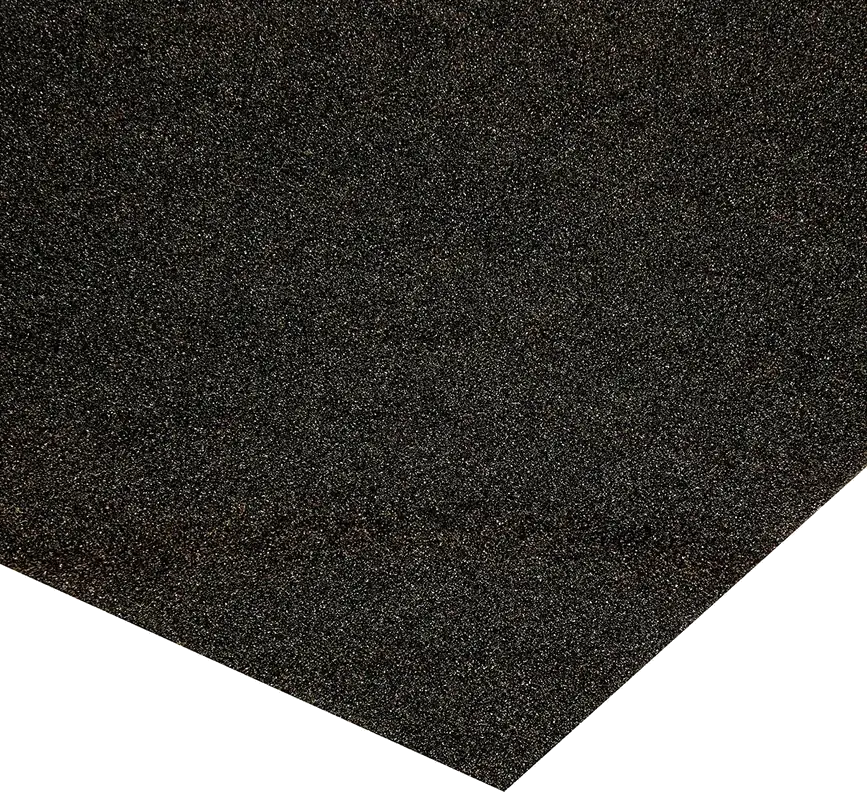
80 Grit Sandpaper Sheets (100-pack) — 9x11 in Silicon Carbide Abrasive for Wet or Dry Use — Durable coarse sandpaper made with Silicon Carbide for fast stock removal and surface leveling. Excellent for woodworking, metalwork, and fiberglass preparation. Works effectively for both wet and dry sanding before moving to 120 grit. (Professional Grade).
Frequently Asked Questions (FAQ)
Q: Do I use guide coat on filler, primer, or both?
A: Use it on both. Dust filler while shaping (80–120 grit) to spot lows early, then again on high-build primer (180–220, then 320–400) to verify straightness before sealer.
Q: Dry guide coat powder or a light spray mist—what’s better?
A: Dry powder is cleaner and faster to reapply, won’t introduce solvents, and tends to highlight pinholes better. A very light mist can work if it’s truly thin and contrasting.
Q: My guide coat won’t sand away in a small speckled area. Is that a low?
A: Those are usually pinholes, not a broad low. Don’t grind them out. Clean, squeegee a 2K glazing putty or an epoxy skim into them, cure fully, and re-block.
Q: Can I rely on high-build primer to fill pinholes?
A: Not reliably. Primer builds film but bridges tiny voids, which can collapse later and print through the finish. Fill pinholes first, then prime.
Q: What grit should I finish at before sealer?
A: Most systems are happy at 400 dry or 600 wet on primer, provided the panel is truly flat. Always follow your paint manufacturer’s recommendations and confirm with a fresh guide coat that all contrast is gone.