
Wet Sanding Clear Coat: Soap-to-Water Ratios
It’s early on a weekend morning, the street still quiet, and your project sits in the driveway catching first light. Up close, you can see it: the gentle waviness of orange peel, a couple of specks trapped in the finish, and that one faint run you swore nobody would notice. Today is the day you make it right. You lay out your sandpaper sheets, a soft block, two clean buckets, and a microfiber stack—everything for a careful session of wet sanding clear coat. When you turn to mix the lube, you hesitate. A squeeze of soap? A capful? Just water? You’ve heard a dozen ratios and watched a dozen more videos, but what actually works—and why?
That tiny decision, the soap-to-water ratio, sets the tone for your whole process. Too much soap and the paper hydroplanes, barely cutting. Too little and the paper loads, dragging grit across the surface and carving unplanned scratches. The right mix keeps the abrasive doing honest, controlled work while flushing residue away before it clumps. It’s not magic—it’s chemistry and consistency. And once you understand how surfactants, paper, and paint interact, you can choose a ratio that fits your clear, your climate, and your goals.
This guide brings practical ratios, smart product choices, and hands-on technique into one place so you can sand confidently, reduce risk, and polish faster. Whether you’re refining a fresh 2K clear, knocking down dust nibs on a daily driver, or taming orange peel on a cherished restoration, your lube mix will either help or fight you. Let’s make it help.
Quick Summary: For most automotive clear coats, start with 1–2 drops of mild, pH‑neutral soap per quart (1 L) of water, or 1/2–2 teaspoons per gallon (3.8 L); adjust until the paper glides without hydroplaning and the slurry flows milky and even.
Why Lubrication Ratio Matters
Wet sanding is controlled cutting. Your abrasive removes microscopic peaks while the lube transports abraded material off the surface. Water alone lowers friction and carries debris; soap does the rest by breaking surface tension and keeping particles suspended so they don’t re-embed. The soap-to-water ratio determines how well that suspension works—and how the paper behaves on clear coat.
Here’s what the ratio changes in practice:
- Cut rate: With too little soap, water beads up and the sheet skates dry between passes, loading the paper and slowing you down. With too much, the paper rides on a film, barely engaging, so you sand longer and risk wave patterns.
- Slurry management: A balanced ratio keeps the milky slurry moving so particles don’t roll under the paper as rogue grit. When you see even, creamy runoff, you’re in the pocket.
- Feedback and feel: Proper lube makes drag feel “buttery,” not sticky or greasy. That tactile cue is one of your best real-time indicators.
- Heat and haze: Adequate lubrication limits friction heat that can smear a softer clear or scorch through edges, especially on curves.
Water quality plays a role. Hard water reduces soap efficiency and can spot as it dries. Distilled water gives predictable performance, particularly important in hot, dry climates where evaporation concentrates whatever’s in your bucket. Paper choice matters, too: modern films like 3,000–5,000 grit are less prone to loading, so they often need less soap than coarser papers.
Finally, material dictates caution. Fresh clear (within a few days of cure), waterborne clears, and thin factory finishes demand a gentler approach—sometimes even dry sanding with soft interface pads—because liquid can linger in pinholes or around edges and soften the film momentarily. The right ratio is as much about context as it is about numbers.
Choosing Soap for Wet Sanding Clear Coat
The soap you pick for wet sanding clear coat should improve glide without leaving waxes, silicones, or conditioners behind. Think “pure surfactant, no protection.” If a label mentions gloss enhancers, wax, polymers, or silicone, skip it for sanding. You want easy rinsing and zero residue that could interfere with polishing or future coatings.
Good candidates:
- pH‑neutral car wash shampoos without wax or gloss agents. These are formulated to rinse clean and play nicely with automotive finishes.
- A mild dish soap in tiny amounts. Classic blue formulas (without lotions or hand-care additives) can work, but their surfactant load is strong—go sparingly.
What to avoid:
- Wash-and-wax shampoos or anything boasting “protection.” These leave films that can cause pad slippage during polishing or even fisheyes if you later respray.
- Hand soaps with moisturizers, aloe, or fragrance oils—they’re designed to stay, not rinse.
- Household cleaners containing ammonia, vinegar, or solvents; these can attack soft clear or corrode bare metal at sand-throughs.
If you’re unsure, check the SDS (Safety Data Sheet) for waxes or silicone language, or do a simple rinse test: mix a small batch, agitate, and see if it sheets off a clean glass panel without streaking. If it rinses clean and doesn’t feel slick-greasy after a wipe-down, you’re on track.
Two buckets help keep contamination down: one for your soapy mix and one for a quick dunk/rinse. Fold your paper into thirds and pre-soak film-backed sheets for a few minutes so they conform and cut consistently. Keep a dedicated spray bottle of your mix within reach to re-wet small areas without changing the ratio with straight water. Consistency beats guesswork.
Ratios That Work in the Real World
Numbers matter, but the feel matters more. Start with a conservative ratio and adjust based on paper loading and panel feedback. These guidelines cover most use cases:
Baseline mix (most automotive 2K clears):
- 1–2 drops of mild soap per quart (1 liter) of water, or
- 1/2–1 teaspoon per gallon (3.8 liters)
Heavy orange peel or higher clog risk (coarser grits like 1,000–1,500):
- 1–2 teaspoons per gallon (3.8 liters)
- Watch for hydroplaning; if the sheet skates and doesn’t “bite,” reduce soap slightly
Fine refinement (2,500–5,000 grit film abrasives):
- Often plain water is enough, or
- 1 drop per quart (1 L) just to break surface tension
Sensitive scenarios:
- Fresh clear (24–72 hours after spray, cured per product TDS): consider plain water or extremely light soap (1 drop per quart), minimal dwell, and frequent wipe-downs
- Waterborne clear coats: tend to swell edges with excess moisture; consider light lube or even dry sanding with foam-backed discs
In hot or dry conditions, evaporation concentrates soap. Mix slightly lighter and re-wet more often. In very humid or cool spaces, you may nudge the ratio up so the slurry doesn’t “hang” too thick.
Actionable tips for dialing in:
- Start at 1/2 teaspoon per gallon; do a small test pass. If the paper drags or loads in under 5 strokes, add a few drops of soap and retest.
- If you’re not generating an even, milky slurry within 3–6 passes on clear, the mix is likely too slick or the grit is too fine for the first cut.
- Keep your bucket clean—strain it through a paint filter if you’ve been dipping used paper to avoid grit recycling.
- Use distilled water to eliminate hard-water spotting and keep ratios predictable.
You’ll know the ratio is right when the paper glides, the slurry stays creamy and mobile, and wipe-downs show a uniform matte without stray deep scratches. If you see snaking scratches or hear squeaks, you’re dry or dirty; if you see no change after multiple passes, you’re skating on soap or under-gritted.
According to a article.
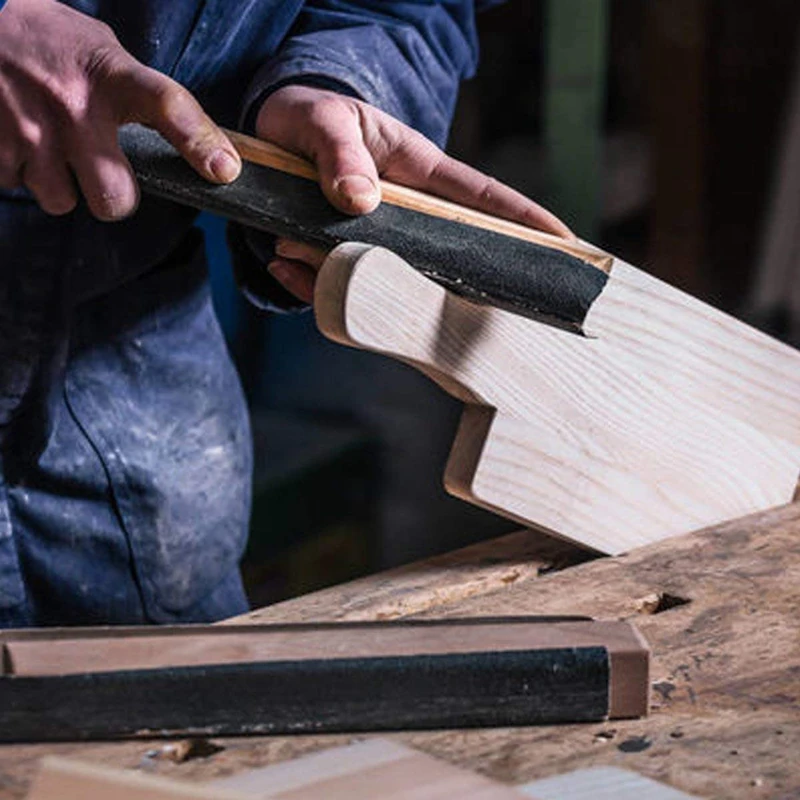
Technique: From First Pass to Final Polish
With the mix sorted, the rest is method. A patient, patterned approach preserves thickness and speeds up your final polish.
Step-by-step flow:
- Mask and map
- Tape sharp edges, panel gaps, and body lines with high-quality masking tape to guard against burn-through.
- Mark defects with a grease pencil. Decide what truly needs leveling rather than chasing every micro-flaw.
- First cut
- Start with 1,500–2,000 grit for dust nibs and moderate orange peel. Use a soft block to keep pressure even.
- Work in straight, overlapping strokes (cross-hatch pattern), refreshing lube every 4–6 passes.
- Look for a uniform matte. Clear coat slurry should appear milky white; if you see color, stop—you’re into base.
- Refine
- Move to 2,500–3,000 grit, then 5,000 if desired. Each step should erase the previous scratch pattern, not the defect again.
- Keep your mix light; finer abrasives can skate on heavy soap. If the sheet hydroplanes, reduce soap by a quarter-turn.
- Inspect and reset
- Frequently squeegee or wipe the area dry with a clean microfiber to inspect. Lighting at a low angle reveals remaining texture.
- Clean pads and paper often. If the paper feels sharp edges or grit when you swipe it with a finger, it’s contaminated.
- Polish and protect
- Rinse thoroughly to remove all soap residue before polishing. Leftover surfactant can mute cut and cause pad hop.
- Compound with a foam or microfiber pad appropriate to your last grit, then finish-polish. Wipe down with distilled water between steps.
Technique notes:
- Pressure should be firm but controlled—think enough to keep full contact without bowing a panel.
- Edges and convex curves thin faster. Glide over them or mask off and approach separately with higher grit.
- If you must spot-sand a run, carefully nib it first with a razor or nib file; then level with 2,000–3,000 grit and your lightest lube mix.
Wet sanding is as much listening as it is sanding. The scrape, the glide, the look of the slurry: together they tell you to add a drop, back off, or switch grits.
Troubleshooting and Repair Choices
Even with great prep, things happen. Here’s how to read the signs and respond without making a bigger problem.
If the paper skates and nothing changes:
- You’re likely over-lubed. Cut soap by half and try again.
- Alternatively, your grit is too fine for the defect—drop one step coarser.
If the paper loads or grabs quickly:
- Add a few drops of soap per quart (or 1/4 teaspoon per gallon).
- Replace or rinse paper; once loaded, it scratches instead of cuts.
- Confirm you’re generating milky slurry; if not, you might be on a hard contaminant—stop and inspect.
If you see haze that won’t polish:
- Haze from overheating suggests too little lube or too much pressure.
- Re-sand lightly with a finer grit using a balanced ratio, then repolish.
If you cut through the clear:
- Stop immediately. Feather the edge with very light passes on high grit to smooth the witness line.
- Your options: spot re-clear, local blend (professional), or touch-up and protect until you can respray. Polishing cannot replace missing clear.
If fish eyes appear after sanding and polishing:
- Surfactant residue or silicone contamination is common. Deep-clean with a dedicated panel wipe before any respray.
- For polishing only, ensure a thorough rinse after sanding; surfactants left behind can create pad stutter and uneven cut.
Water quality and environment:
- Hard water? Use distilled water and dry panels promptly to prevent mineral spotting that looks like sanding haze.
- Hot, dry shop? Evaporation thickens your mix mid-session. Start slightly lighter and re-mist often with your bottle mix rather than tap water.
Taping strategy:
- Double-mask edges and emblem surrounds; two thin layers outperform one thick layer for control.
- Peel tape between grit steps to confirm edge integrity, then re-mask if needed.
The goal isn’t to chase a number—it’s to build repeatable feel. A mix that balances glide with engagement, paired with careful inspection, yields the flattest, safest result.
Water Based Clear — Video Guide
A helpful demonstration compares wet and dry sanding on water-based clear coats, arguing that dry sanding often wins. The presenter points out that water can soften edges, linger in pores, and slow your workflow, while dry sanding with foam-backed discs keeps cuts predictable and cleanup fast. They show how a controlled dry sequence reduces the risk of swelling or witness lines on sensitive, newer clears.
Video source: Water Based Clear Coats Wet Sanding vs Dry Sanding
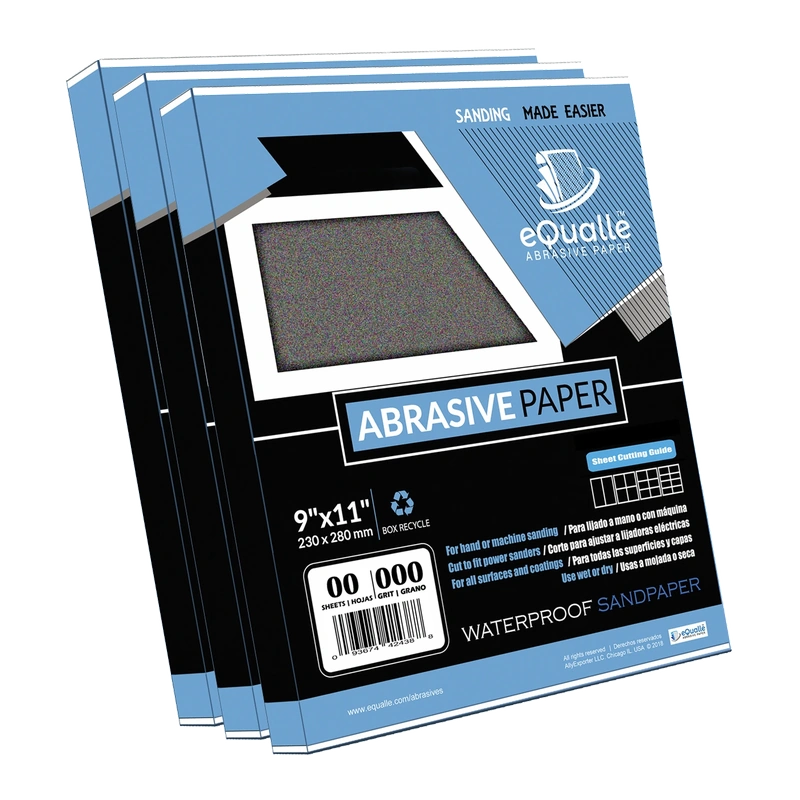
80 Grit Sandpaper Sheets (10-pack) — 9x11 in Silicon Carbide Abrasive for Wet or Dry Use — Durable coarse abrasive that evens out irregular surfaces and clears old coatings. Ideal for early sanding stages in woodworking, fiberglass, or metal preparation. (Professional Grade).
Frequently Asked Questions (FAQ)
Q: What’s the best soap-to-water ratio for wet sanding clear coat?
A: Start with 1–2 drops of mild, pH‑neutral soap per quart (1 L) of water, or 1/2–1 teaspoon per gallon (3.8 L). If the paper loads, add a small amount of soap; if it hydroplanes, reduce soap. Aim for a milky, even slurry and smooth glide with light bite.
Q: Can I just use dish soap?
A: Yes, in tiny amounts, and only plain formulas without lotions, wax, or silicone. Dish soap is potent; 1–2 drops per quart is often enough. Rinse thoroughly after sanding to remove residue before polishing or recoating.
Q: Should I use distilled water?
A: It’s recommended. Distilled water prevents mineral spotting, keeps ratios consistent, and reduces unpredictable behavior—especially in hot, dry, or very hard-water regions.
Q: Is wet sanding safe on water-based clear coats?
A: It can be, but water may soften edges and linger in pinholes. Many technicians prefer dry sanding with foam-backed discs on water-based clears. If you wet sand, use a very light mix, limit dwell time, and inspect often.
Q: How do I know if my mix is too strong?
A: If the paper skates with little cutting and you don’t see an even matte or milky slurry after several passes, your mix is too soapy. Cut the soap by half and retest on a small area.