
Stop Clogging: Mastering Detail Sander Sheets
The moment you smell it, you know: that faint sweet-burnt scent of pine pitch, the sander’s whine flattening into a buzz, and your fingers telling you the pad is gliding, not cutting. I’ve been there—working a narrow cabinet stile late on a Sunday, dust extractor humming, and still my sheet glazed over in minutes. A triangle of loaded grit, corners smeared with old varnish and paint, and progress grinding to a halt. If you run small sanders—detail, palm, compact sheet—clogging turns a simple refinishing day into a fight against heat and gunk. The fix isn’t magic. It’s understanding why it happens and dialing in your setup, your technique, and yes, your choice of detail sander sheets.
As a workshop specialist, I’m blunt about this: most clogging is preventable. When a sheet loads, cutting edges get buried under resin, paint, filler, or plastic dust. Heat is the accelerant that bakes it in. The wrong abrasive, too much pressure, bad dust evacuation, and grimy surfaces all add fuel to the fire. The good news? Small adjustments compound into big gains—suddenly those triangle pads last three to six times longer, the sander stays cool, and you spend your time shaping wood instead of swapping sheets. Below, I’ll show you how I set up my compact sanders to stay sharp and clean, from selecting anti-loading abrasives to step-by-step corner work that keeps the pad clear. Whether you’re tackling window muntins, face frames, chair rungs, or a guitar neck heel, the principles are the same. With the right detail sander sheets and a few pro moves, you can sand longer, cooler, and cleaner—and your finishes will show it.
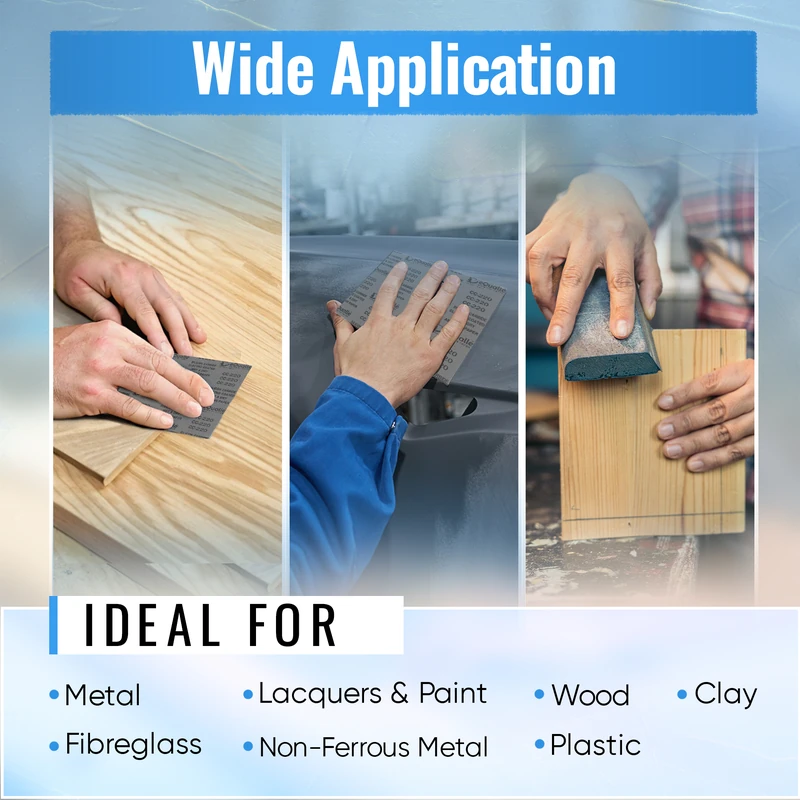
Quick Summary: Choose anti-clog abrasives, manage heat with light pressure and smart speeds, use active dust extraction, prep the surface, and clean or rotate sheets before they cake.
Heat, dust, and pressure: the clogging trifecta
Clogging—often called “loading”—happens when swarf (the dust you’re making) and soft residues melt or smear into the valleys between abrasive grains, burying the cutting edges. Small sanders are especially vulnerable because they often work tight spots, edges, and paint layers where heat can spike fast. Three culprits conspire: pressure, heat, and dust evacuation.
- Pressure: Push too hard and the abrasive’s cutting action becomes burnishing. Those grain tips plow and smear, especially in paint, resin-rich softwoods, and body fillers. You also collapse the foam pad, reducing airflow through the holes.
- Heat: Speed plus pressure equals thermal trouble. Heat softens paints and pitches, turning dust into a paste that packs the grit. Hook-and-loop backings insulate, so heat stays near the sheet.
- Dust evacuation: If the pad holes don’t line up with the sheet holes—or there aren’t enough holes—dust can’t leave. It cakes under the pad, grinding into the sheet and workpiece.
You can spot loading early: the tone changes from crisp to dull; the surface sheen increases rather than dulling evenly; the sander starts “skating”; corners of the triangle go glossy. If you smell resin or see little snakes of smeared paint, that’s your cue to back off and reset.
Think of efficiency as a triangle: correct abrasive, airflow, and technique. Break any corner and the other two can’t save you. The goal isn’t pressure—it’s sharp grains doing controlled micro-cuts with room to toss dust away. Keep the pad flat unless you’re trimming an edge; dwell lightly, move often, and let the tool’s oscillation cut. With these fundamentals, you’ll already see sheet life jump.
Choosing detail sander sheets that resist clogging
Your abrasive choice sets the ceiling for how clean your sanding can be. Not all sheets are equal, and with detail sander sheets, shape, hole pattern, grain type, and coatings matter as much as grit number.
Start with grain and coat. For wood and painted surfaces, open-coat aluminum oxide or ceramic/alumina blends with a white stearate (anti-loading) topcoat give you the best chance at staying clean. The open coat leaves space between grains for debris; the stearate reduces adhesion so paint and pitch don’t stick. For resinous softwoods (pine, fir), the extra resin resistance pays off fast. If you sand plastics or solid surface, consider silicon carbide or specialty plastic-rated abrasives that run cool and fracture finely.
Mesh-style sheets (abrasive open net) are game-changers for dust evacuation. Air flows through the entire surface, not just a few holes, and with a pad protector they last far longer before loading. They can be pricier, but the increased uptime often makes up for it.
Match grit to the job. If you “ask” a fine grit to do a coarse task, you’ll press harder and create heat. For thick paint removal or epoxy drips, start at 60–80 grit. For scuff-sanding clear coats, 180–240. Move through grits in sensible steps (80–120–180 or 150–220–320), and you’ll load sheets less at every stage.
A few field-proven tips:
- Choose open-coat, stearate-treated sheets for paint and resin-rich woods; switch to closed-coat only for final leveling on hardwood.
- Try mesh detail sander sheets with a sacrificial pad protector; they breathe better and resist loading in corners.
- Use hook-and-loop for fast swaps and cooler fingertips; use PSA only when you need a super-firm, skip-free bite on flat trim.
- Align hole patterns exactly; misalignment can slash airflow by 50% and doubles loading.
- Buy the right triangle geometry for your pad (some have extended “nose” corners); sloppy fit equals poor dust capture and early edge glazing.
Remember that cheaper sheets can cost more in the long run. If you’re burning through three budget sheets per door stile, a quality stearate or mesh option will almost always be faster and cheaper per square foot sanded.
Setup and technique that keep sheets clear
Even the best abrasive will load if your setup and moves create heat. Dialing in alignment, extraction, pressure, and speed is where most of the de-clogging magic lives.
Start with airflow. Clean the pad holes with a quick shot of compressed air or a stiff brush. Mount the sheet carefully; many detail pads have asymmetric hole patterns—get it wrong and you choke dust. Hook up active dust extraction with an anti-static hose if you have it; dust leaves the cutting zone and heat drops immediately. If your sander has speed control, set it one or two clicks below max for paint and resinous woods; full tilt often just bakes residue faster.
Technique-wise, let the tool work. A detail sander wants a guiding hand, not a clamp. On flat rails and stiles, aim for pressure just enough to keep the pad honest—roughly the weight of the tool plus a light forehand, about 1–1.5 kg total. Keep it moving: two slow passes per second across a stile is a good tempo. In corners, tap in with short, light arcs; don’t spear the corner with the pad’s tip and hold—this overheats that tiny triangle instantly.
Heat management is habit. If you feel the pad warming through the foam, lift and air it for ten seconds. Knock the sheet on your palm or against a crepe rubber block to free early loading. For gummy paint, a light rub of dry chalk on the sheet face between passes can reduce sticking (don’t do this near final grits; clean thoroughly before finish).
According to a article, simply backing off the pressure the moment you sense clogging can prevent overheating and save the sheet—wisdom that aligns perfectly with shop-floor reality.
Try these actionable moves today:
- Use an interface pad for profiles; it spreads pressure and avoids hot spots that glaze corners.
- Score heavy paint edges with a knife before sanding; this reduces chipping and smearing.
- Vacuum the workpiece between grit steps; leftover fines act like paste and load the next sheet.
- Rotate the sheet 120° on triangle pads when corners glaze; fresh edge, fresh cut.
- For epoxy squeeze-out, pre-scrape with a chisel or card scraper; sanding uncured or thick epoxy is a guaranteed clog-fest.
Field workflow: corners and edges without clogs
Let’s run a real-world sequence: refreshing painted window muntins and inside corners with a compact detail sander while keeping sheets clean.
Assess and choose grit. If there’s flaking paint plus a stubborn base coat, start at 80 grit stearated or mesh. If it’s just a scuff for repaint, begin at 180.
Clean first. Degrease with a mild cleaner or mineral spirits where appropriate, then wipe dry. Dust, oils, and hand grime accelerate loading.
Prep the pad and sheet. Brush pad holes clear; mount the detail sander sheet with precise hole alignment. Add an interface pad for profiles to avoid digging corners.
Set speed and extraction. Connect dust extraction, set speed to medium-high (not max). Do a five-second test pass; listen for a crisp cut and check for early sheen on the sheet—if glossy, drop speed or grit up.
Tackle corners lightly. Place just a third of the triangle into the corner, nibbling with feather pressure and quick micro-movements; don’t plant and cook the tip. Rotate the pad a few degrees as you work to share the load among edges.
Work edges with relief. On muntin edges, tilt 5–10 degrees to avoid riding the flat on both faces; keep moving along the length. If you see paint smearing, pause, knock the sheet on a crepe block, and relaunch.
Sequence your grits. Once the base coat is uniformly dull and flat, vacuum the surface and switch to 120 or 150. Repeat the light-touch workflow. Finish at 180–220 for repainting. Don’t jump more than 60–80 grit steps; it leads to extra pressure and heat.
Clean and store. After each grit, use compressed air or a crepe rubber to clear the sheet. If it’s only lightly loaded, mark it and bag it for reuse; humidity and dust in the air can “set” residue into the sheet if left out.
Pro tips to stretch sheet life on this kind of task:
- Chalk trick: Rub a little plain white chalk over the abrasive before sanding gummy paint; it’s a dry lube that helps release. Wipe surfaces clean after.
- Corner rotation: Triangular sheets have three lives—rotate at the first sign of corner gloss.
- Pulse extraction: Every minute, lift the tool and let the vac pull clean airflow through the sheet for a few seconds.
- Temperature check: If you can’t keep your fingers on the pad for two seconds, you’re too hot; lighten pressure or change grit.
Once you’ve run this workflow a couple of windows in, you’ll notice you’re changing sheets by choice, not out of frustration. The finish is flatter, dust is lower, and time-on-task drops significantly—all from keeping the abrasive clear and cool.
Milwaukee M12 Orbital — Video Guide
There’s a great look at a modern cordless detail sander in a video where the Milwaukee M12 FUEL orbital detail sander takes center stage. The reviewer runs it through real shop tasks, highlighting control in tight corners, pad shapes, and how the orbit keeps material removal steady without chewing up edges.
Video source: Milwaukee M12 Orbital Detail Sander is AMAZING!
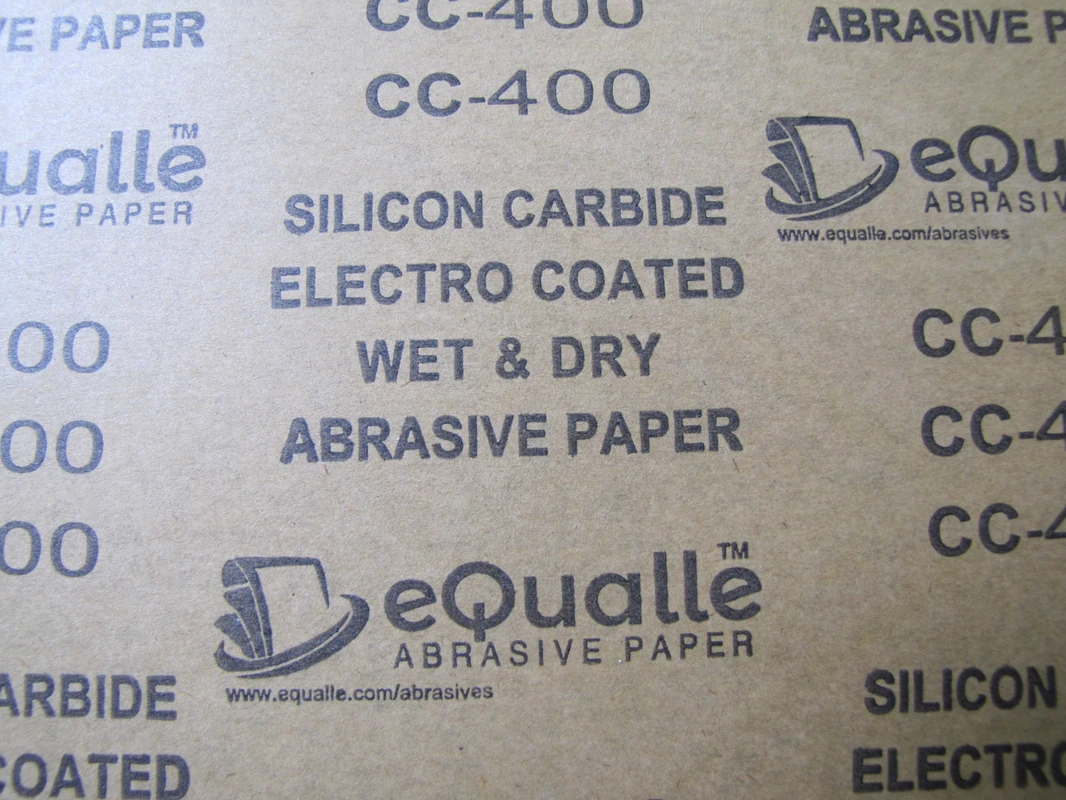
220 Grit Sandpaper Sheets (100-pack) — 9x11 in Silicon Carbide Abrasive for Wet or Dry Use — Fine finishing grit for final surface preparation before painting or coating. Offers uniform cutting on wood, metal, and plastic. Leaves a smooth, paint-ready finish suitable for wet or dry sanding. (Professional Grade).
Frequently Asked Questions (FAQ)
Q: What causes sandpaper to clog on small sanders? A: Loading happens when dust and soft residues (paint, resin, filler) pack between abrasive grains, often triggered by excessive pressure, high speed, poor dust extraction, or using too fine a grit for the task.
Q: Are mesh detail sander sheets really better against clogging? A: In many cases, yes. The open net allows full-surface airflow, which moves dust out before it can cake. Pair them with a pad protector and good extraction for maximum benefit.
Q: How do I clean a loaded sheet without ruining it? A: Tap it on your palm, brush it, or rub it on a crepe rubber block to pull out packed dust. For paint-heavy loading, a gentle wipe with mineral spirits can help—let it dry fully before reuse and avoid this step on final grits for finishing.
Q: What’s the right pressure for a detail sander? A: Use the tool’s weight plus a light guiding hand—around 1–1.5 kg total on flat work. If the pitch of the motor drops significantly or the pad gets hot, you’re pressing too hard.
Q: Should I use chalk or wax on the sheet to prevent sticking? A: A light dusting of plain white chalk can reduce paint sticking for rough passes. Avoid waxes or oily additives; they can contaminate the surface and cause finish problems. Always clean thoroughly before final sanding.